As summer break approaches, parents often feel the urge to fill every moment with activities, thinking that’s what entertains and helps their kids grow. But there’s a magical thing we shouldn’t overlook: boredom. It might surprise you, but experiencing boredom can bring lasting benefits to your children—and those benefits are worth embracing.
Boredom Sparks Creativity
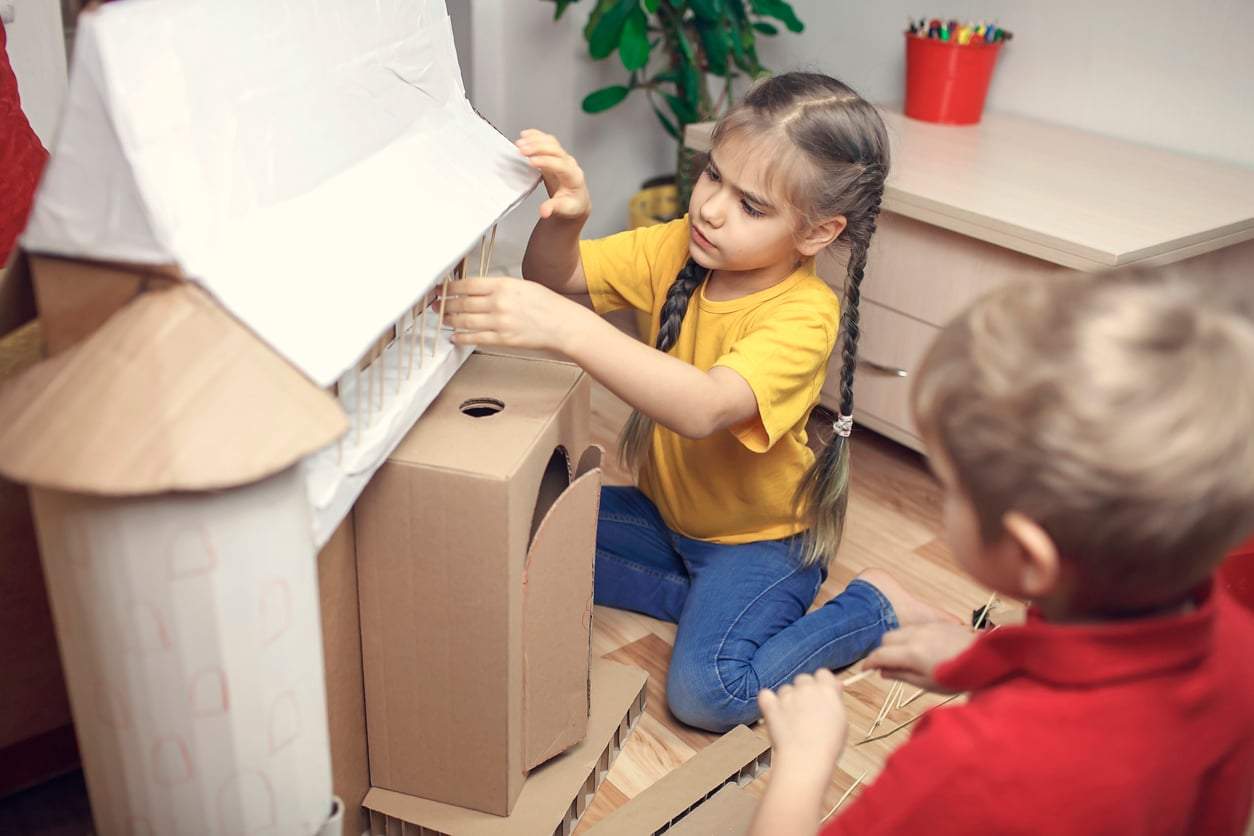
When kids feel bored, they might first feel a bit uneasy since today’s world constantly bombards them with stimuli and activities. But that very moment opens the door for them to discover their own creativity. Think about it: when they have enough space and time to create something truly new, your kids dive into their imagination, improvising games and stories that reflect their rich inner world.
Research shows that unstructured playtime helps kids dream big because there are no set limits. We need to ease off the pressure to fill every minute with planned activities, as that can stifle their mind’s natural creative flow.
Growing Independence and Problem-Solving Skills
Another huge benefit of boredom is how it encourages independence and problem-solving. When kids are bored, they’re pushed to find their own ways to entertain themselves. This constant challenge teaches them how to plan, organize, and make decisions—skills that build resilience and self-reliance for the future.
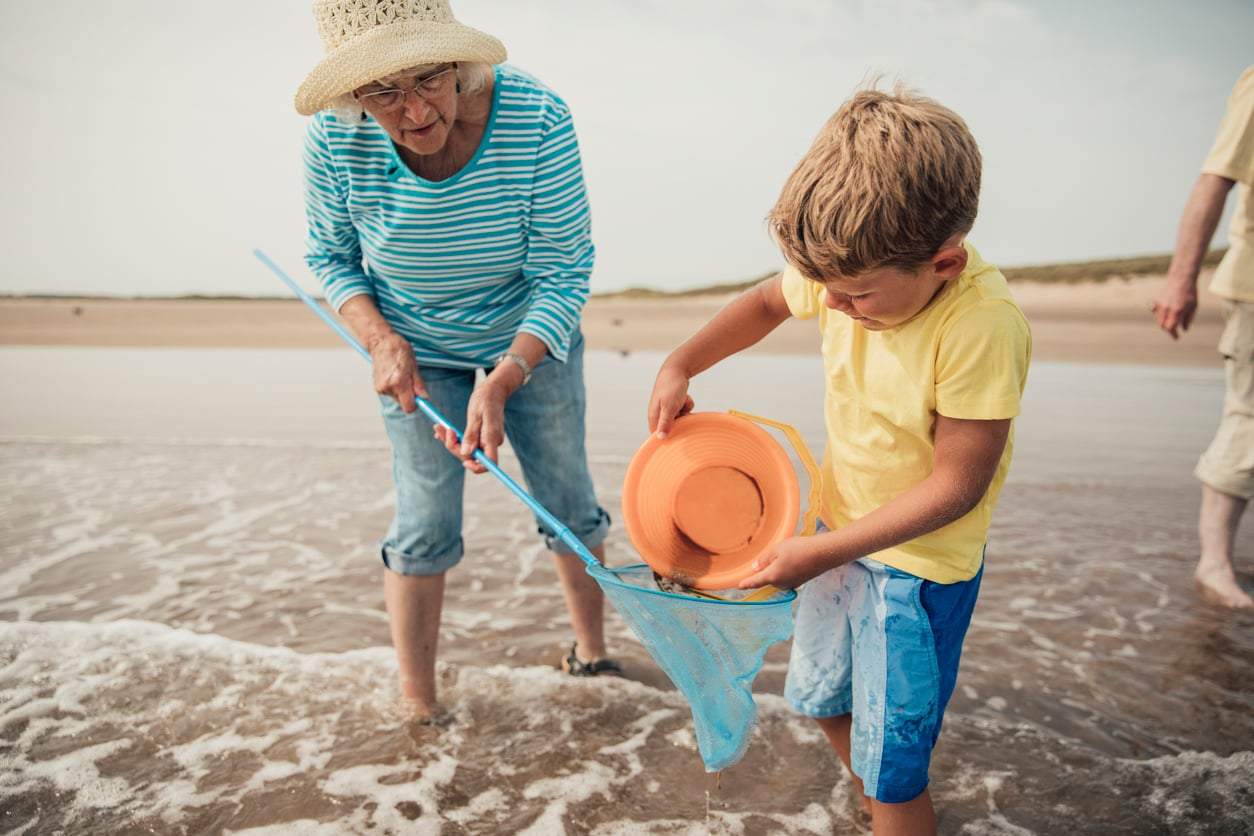
For example, imagine a group of kids on vacation without a set schedule. They often take charge, inventing games together and turning those into fun activities. This hands-on, social learning experience offers amazing growth opportunities.

Providing Mental and Emotional Rest
Our fast-paced, always-online world brings plenty of stress—even for kids. That’s why it’s so important to let boredom help them find calm. In a peaceful, balanced setting—which boredom can create—children can recharge mentally and emotionally.
What might seem like annoying downtime actually teaches kids to manage their feelings and stress. Quiet moments give them space to sort through their thoughts, refresh their minds, and better understand their emotions and reactions.
How to Create Opportunities for Boredom
To make room for boredom, start by giving kids time and space to be bored without jumping in to fix it. Create an environment where they can explore and tap into their creativity—like easy access to books, art supplies, or nature. Also, offer a variety of play options that inspire them.
At the same time, talk openly about boredom as a natural state—not a bad thing—that opens doors to growth. This helps kids see boredom as a spark for questions, answers, and creative journeys. Encourage them to play and explore on their own.
So next time your kids say they’re bored, don’t rush to intervene. Give them the time and space to surprise you with their creative solutions. Boredom is, in many ways, a gift that can leave a lasting impact well into adulthood.