If you love butter, you’ve probably faced the classic question: should it stay on the kitchen counter at room temperature, or is it safer in the fridge to avoid spoilage and rancidity? Plus, how long can butter last outside, and does chilling it affect its flavor and texture?
Butter’s Composition and Proper Storage
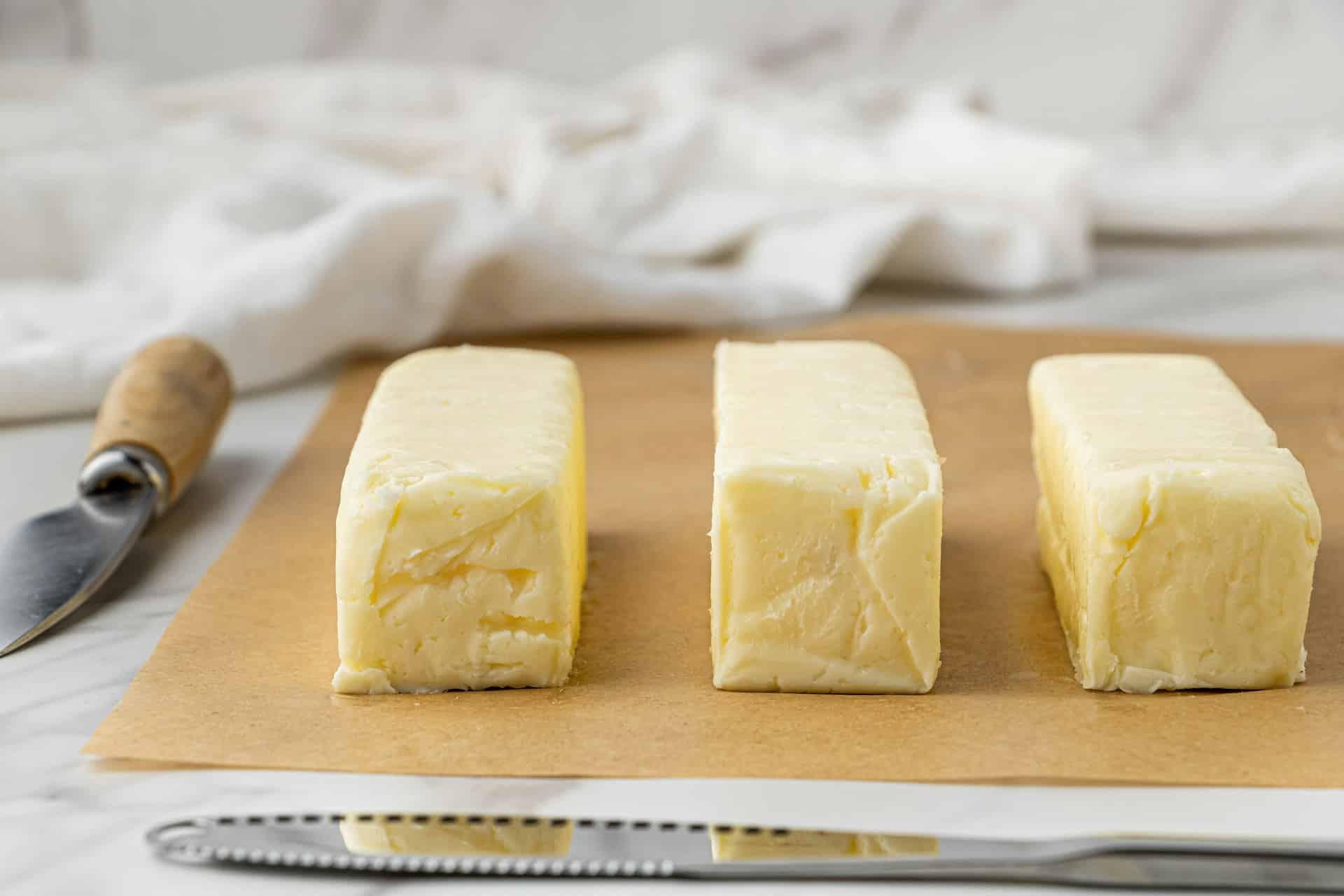
Butter’s chemical makeup shapes how it should be stored. It’s mainly milk fat and water, with small amounts of lactic acid bacteria and milk proteins. This rich fat content lets butter stay fresh at room temperature for a while without spoiling immediately. Still, factors like room temperature, humidity, and packaging all play a key role in keeping it safe.
Experts recommend storing butter in an airtight container to block moisture and outside odors from seeping in.
If you prefer butter on the counter, the ideal temperature is around 12-15 °C (54-59 °F). At this range, butter won’t soften too quickly, keeping its texture and flavor intact. If the kitchen is warmer, fats can go rancid faster. Also, salted butter lasts longer because salt naturally preserves it.
Chilling Butter: Pros and Cons
Keeping butter in the fridge clearly extends its shelf life by slowing bacteria and mold growth. Chilled butter stays fresh for weeks and avoids unwanted flavors. But it gets harder, making it tougher to spread—so let it sit at room temperature a bit before using to soften. This method is great if you buy butter in bulk and want it to last.
When refrigerated, always keep butter sealed airtight to prevent it from absorbing other food odors in the fridge.
How You Use Butter Matters Too
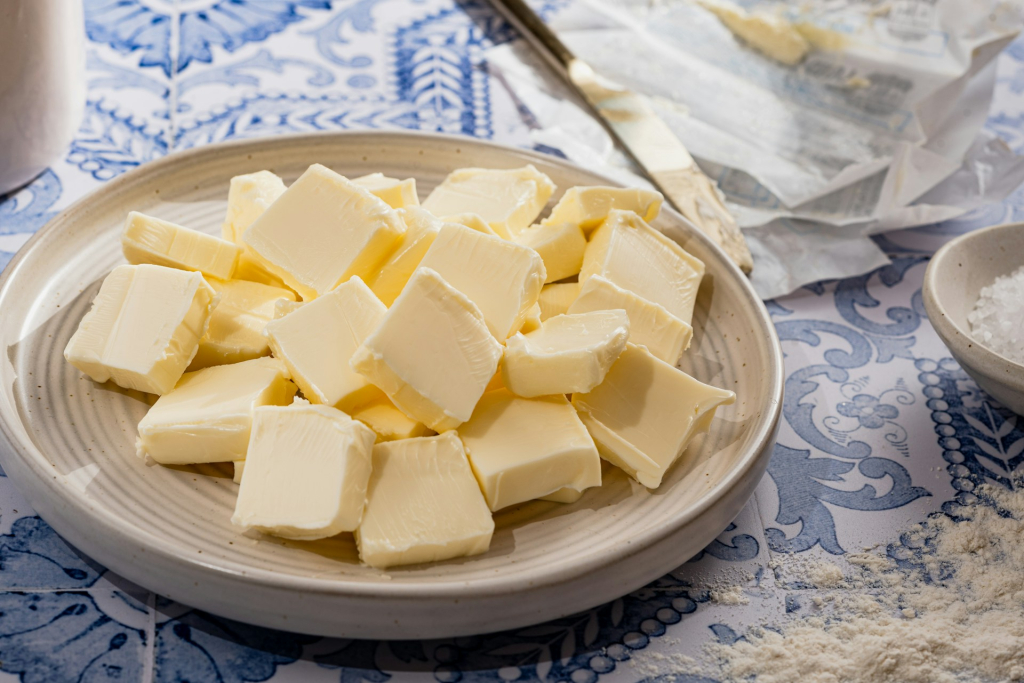
How you store butter also depends on how often and for what you use it. If you use small amounts daily—like spreading on toast or cooking—it’s handy to keep a small portion on the counter. This way, you avoid frequent fridge trips and always have butter ready to spread. Just be sure to use clean utensils to keep it fresh.
For larger quantities, such as baking or cooking, it’s best to store butter in the fridge to keep a steady supply for your kitchen projects.
This is especially true if your butter is flavored with herbs or spices, which can make it more sensitive to environmental factors.
Understanding how to store butter properly isn’t just about safety—it’s key to preserving its deliciousness. Beyond the science, consider your own habits and needs. Whether you choose the counter or the fridge, focus on cleanliness, airtight storage, and the environment.
With the right care, your butter stays fresh longer and keeps enhancing your favorite dishes whenever you open the kitchen cabinet or fridge. Smart storage means maximizing both food safety and flavor.