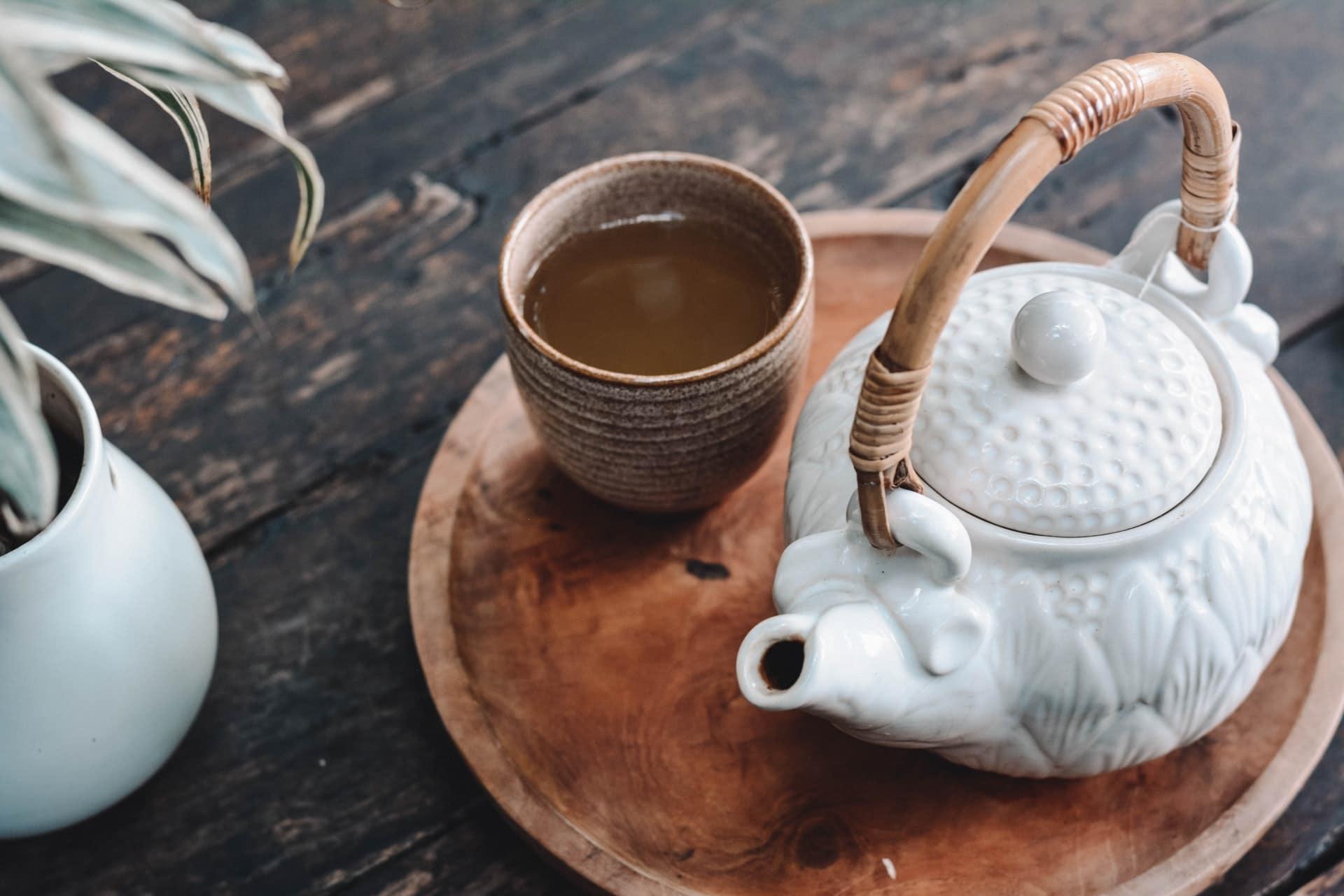
Tea is the second most consumed drink on the planet — but in many cultures, it's far more than just a beverage. It's a ritual, a social bond, a meditative practice. The way a society prepares and shares tea tells you something profound about who they are. Here's a journey through the world's most captivating tea traditions.
The English afternoon tea ritual
Few tea traditions are as iconic as the British afternoon tea — and it all started with one hungry duchess. In the early 19th century, Anna, the Duchess of Bedford, began requesting a light spread of sandwiches and cakes to tide her over between lunch and dinner. The habit caught on quickly among the aristocracy, and before long it had spread across all of English society.
Today, afternoon tea in England is still taken seriously — and so is the etiquette surrounding it. The cup is always held above the saucer, utensils follow a precise order of use, and the whole affair carries a quiet elegance that feels almost ceremonial. It's one of those rituals that manages to feel both relaxed and refined at the same time.
Chinese tea culture: the art of Cha Dao
China is the birthplace of tea, and it shows. The Chinese tea ceremony — known as Cha Dao, or "the way of tea" — elevates the entire process of brewing and drinking into something close to a fine art. Every detail matters: the quality of the leaves, the temperature of the water, the steeping time, even the shape of the teaware.
But Cha Dao is more than technique. It's a meditative experience. Participants are fully present, engaging all their senses rather than simply drinking. Tea is never masked with sweeteners or milk — the natural flavour and fragrance of the leaves are considered the whole point. Whether it's green tea, oolong, white tea, or aged pu-erh, each variety has its own preparation ritual and its own story to tell.
The Japanese tea ceremony: stillness in a cup
In Japan, the tea ceremony — chanoyu — is a spiritual practice as much as a cultural one. Rooted in Zen Buddhist philosophy, it is built around the principles of harmony, respect, purity, and tranquillity. Every movement is deliberate and refined, from the way the matcha is whisked to the way the bowl is offered and received.
The setting matters just as much as the tea itself. The ceramics, the tools, the tearoom — all are chosen with care and intention. Chanoyu is not something you rush through. It is an invitation to be fully present, and to find beauty in simplicity. For many Japanese people, it remains one of the most meaningful expressions of shared community and cultural identity.
Indian chai culture: spice, warmth, and hospitality
In India, tea isn't a ritual reserved for special occasions — it's woven into the fabric of everyday life. Chai is the first thing offered to a guest, the drink shared between friends on a doorstep, the comfort at the end of a long day. And the recipe is anything but plain: cardamom, cinnamon, ginger, cloves, and black pepper are simmered together with black tea and milk to create the bold, warming flavour of masala chai.
On virtually every street corner across India, you'll find a chai wallah — a tea vendor who brews fresh batches throughout the day, serving small cups to a constant stream of customers. Offering tea to a visitor is not just polite; it's a gesture of genuine welcome. In India, chai is hospitality in liquid form.
Tea around the world: beyond the famous four
The love of tea doesn't stop at England, China, Japan, and India. In Morocco, sweet mint tea poured from a height into small glasses is a cornerstone of social life — refusing a cup is considered impolite. In Turkey, strong black tea served in tulip-shaped glasses accompanies every conversation, from business meetings to family gatherings.
Wherever you go, tea has a way of bringing people together. It slows things down, creates a moment of connection, and marks the rhythm of the day. Whether it's a meditative ceremony or a quick cup shared between strangers, tea has always been about more than what's in the cup — it's about the people around it.
Tea is a mirror of culture. The way a society brews and shares it reveals what they value most: patience, community, beauty, or simply the pleasure of being present.