We often hear how polarized Hungary has become. Politics splits friend groups, families, and workplaces: old friends turn away from each other, relatives argue at holiday tables, and debates poison what used to be peaceful conversations.
This is painful on its own because we all want to believe that in a democracy, it’s possible to disagree, think differently, and still keep our connections on common ground. Political views shouldn’t build walls so high that we can’t see over them.
In theory, it sounds great: we can separate our opinions from our personal relationships. But reality shows us that political directions often represent not just different opinions but conflicting worldviews. It’s no longer about debating tax rates or the color of the Freedom Bridge — though those are serious political topics — but about fundamentally different beliefs on core human values.
If it were only about which party’s program we prefer or which government measure seems more useful, it might be easier to separate politics from private life. It’s probably not worth breaking human connections over tax policy or economic debates. These are topics we could discuss respectfully, exchange arguments, and even find compromises.
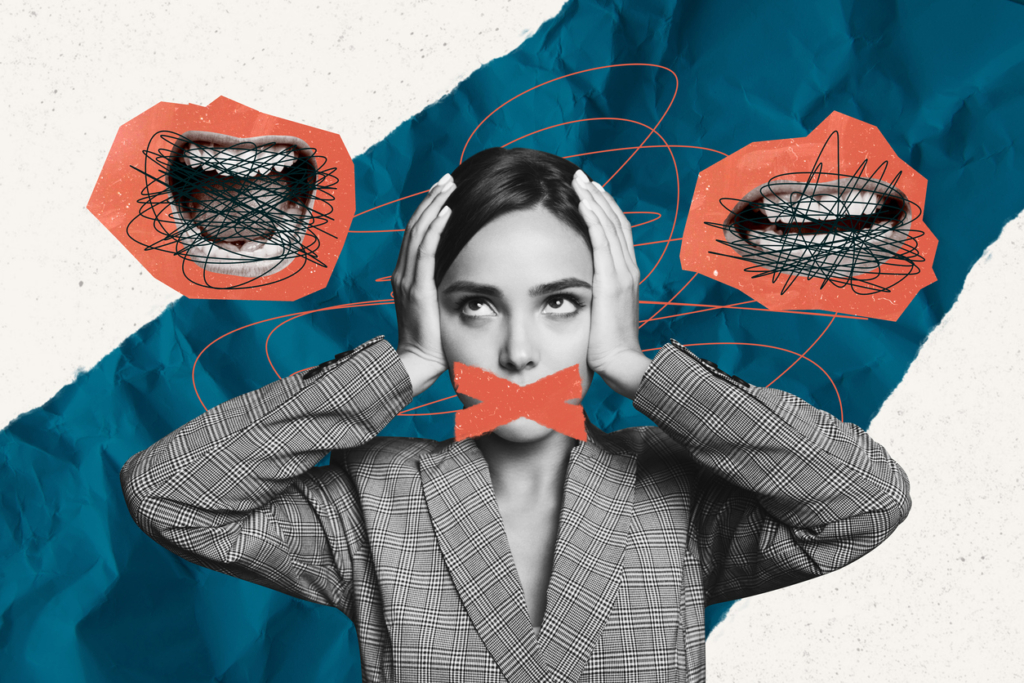
But today, it’s often about more than that. We have to form opinions on whether we believe in free love, the right to free movement, or if protecting children is truly important and not just a political tool. These aren’t just political debates; they’re moral foundations.
At this point, it’s not just about seeing the world differently, but whether the world the other person represents is compatible with what we believe.
That’s why, even though I deeply want to keep friendships despite political differences, beyond a certain point, it’s not honest. It becomes naivety, even compromise. If someone supports causes I find fundamentally unacceptable, I can’t pretend it’s okay. I can’t sit down with someone feeling like I’m complicit in something I consider wrong.
This isn’t about disrespecting others’ opinions or thinking everyone who votes differently is a bad person. Often, people come from different information, experiences, and life stories.
But when the other side stands for principles that fundamentally violate human dignity, freedom, or justice, we can’t expect the relationship to stay the same.
This realization is painful because it clashes with the ideal that we can keep human connections despite all differences. But the truth is, friendship — no matter how much we want to believe otherwise — is built not only on shared history but on shared values and mutual respect. When those disappear, friendship changes too.
As Mihály Babits said, “He who is silent among the guilty is an accomplice.”
I can’t be an accomplice to what I deeply believe is wrong. And while I sincerely wish we could stay friends despite our differences, if the gap in values is too wide, I have to admit: we can’t be friends as if nothing changed. This isn’t hatred, it’s honesty — I feel the hatred on the other side, and complete isolation seems like the only solution.