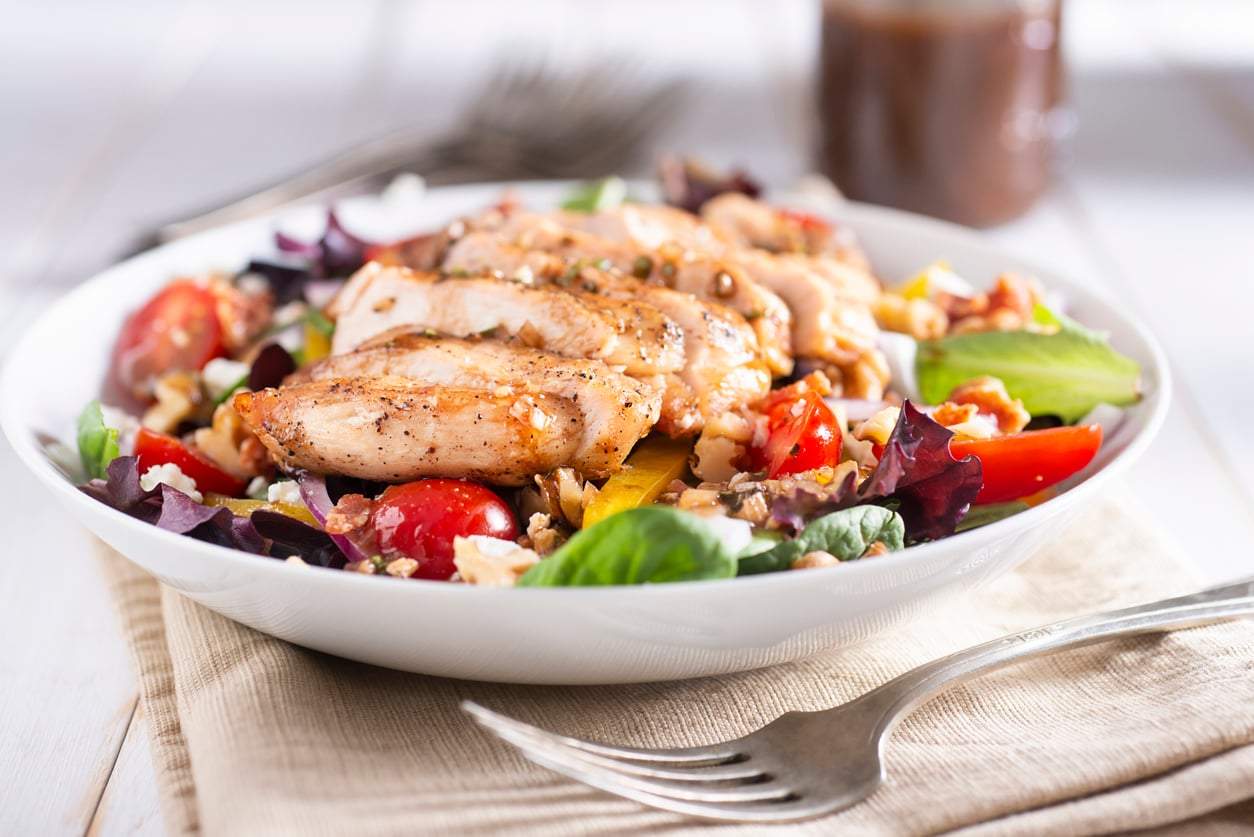
More often, we encounter the misleading idea that successful weight loss means drastically cutting meals and accepting constant hunger. The truth is much more nuanced: by choosing the right foods, you can avoid deprivation and still kickstart your weight loss journey. Your body’s nutrient needs can’t be ignored—when it senses a shortage, it slows down your metabolism, making you work against yourself.
Why Proper Nutrition Matters
Healthy weight loss starts with a well-planned diet that provides all the essential nutrients your body needs. Finding the right calorie intake doesn’t mean slashing calories to the minimum—it’s about consciously fueling your body’s energy and nutrient demands.
Every meal should include proteins, fiber, healthy fats, and carbohydrates.
Proteins help build muscle, which boosts metabolism. Fiber supports digestion and keeps you feeling satisfied, while healthy fats and carbs provide lasting energy throughout the day.
Losing Weight Without Hunger
Many fear dieting because they think constant hunger is the price for their dream body. This myth stops a lot of people before they even start. But with smart food choices, you can avoid hunger and still lose weight effectively.
Most foods, especially those rich in water and fiber, are relatively low in calories.
Vegetables and fruits are top picks—they’re low in calories and packed with vitamins and minerals your body needs to function at its best.
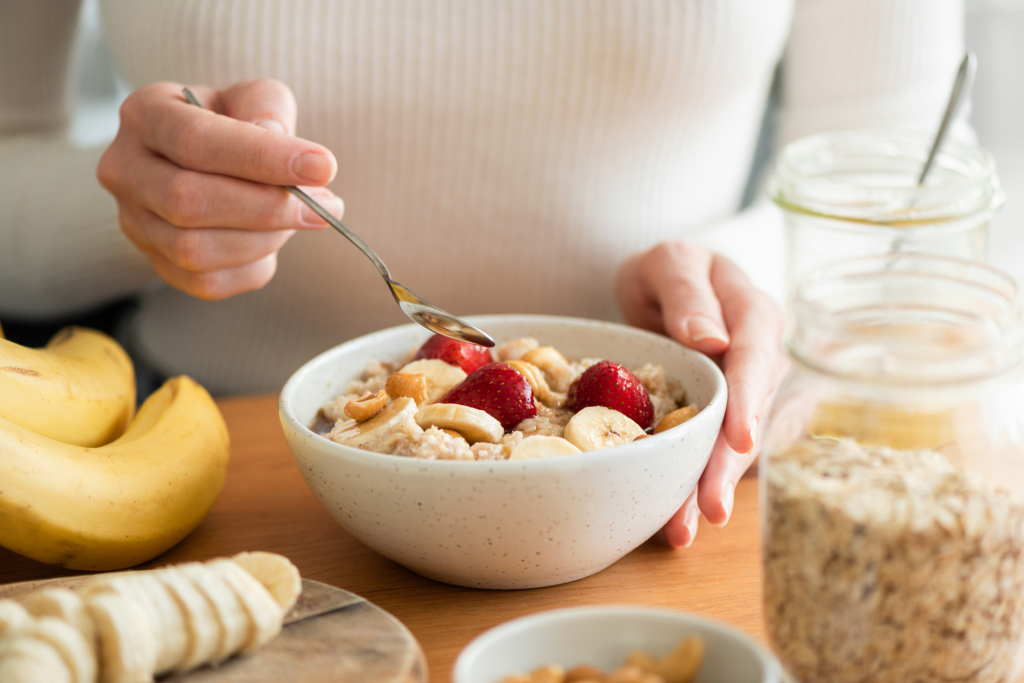
Rethinking Calorie Counting
It’s crucial to remember that chasing calorie numbers alone won’t get you the body you want. Where those calories come from matters just as much.
Balance your calorie intake with nutrient-rich foods that truly meet your body’s needs.
“Empty” calories from refined sugars and saturated fats don’t provide lasting energy and often leave you hungry again soon after. In contrast, calories from whole foods—like whole grains and lean meats—support steady energy and a healthy metabolism.

The Power of Nutrients
Getting the right nutrients is key to successful weight loss. Micronutrients like vitamins and minerals keep your body running smoothly, boost your immune system, and fight fatigue.
Plan your meals with variety and balance. Fill your plate with colorful veggies, fruits, protein-rich foods, and healthy fats to give your body everything it needs.
The Role of Exercise
Never forget that exercise and regular physical activity are essential parts of losing weight. It’s not just about burning calories—it’s about improving your overall health, strength, and mood. Movement boosts endorphins, lifts your spirits, and helps keep your weight off.
Combining cardio with strength training helps burn fat and build muscle, speeding up your metabolism and toning your body. Aim for at least three sessions a week, 30 to 60 minutes each, to see real results.