Our amazing senses and understanding start developing very early. Even a baby just a few months old begins connecting with the world—not just instinctively, but through complex processes fueled by incredible brain growth. One of the most fascinating questions in this early stage is how babies tell living beings apart from inanimate objects.
Babies’ Social Perception
Even the tiniest ones have a surprisingly sharp sense when it comes to people. This social perception is the foundation that lets them recognize what’s alive just from visual and auditory cues, long before they start talking.
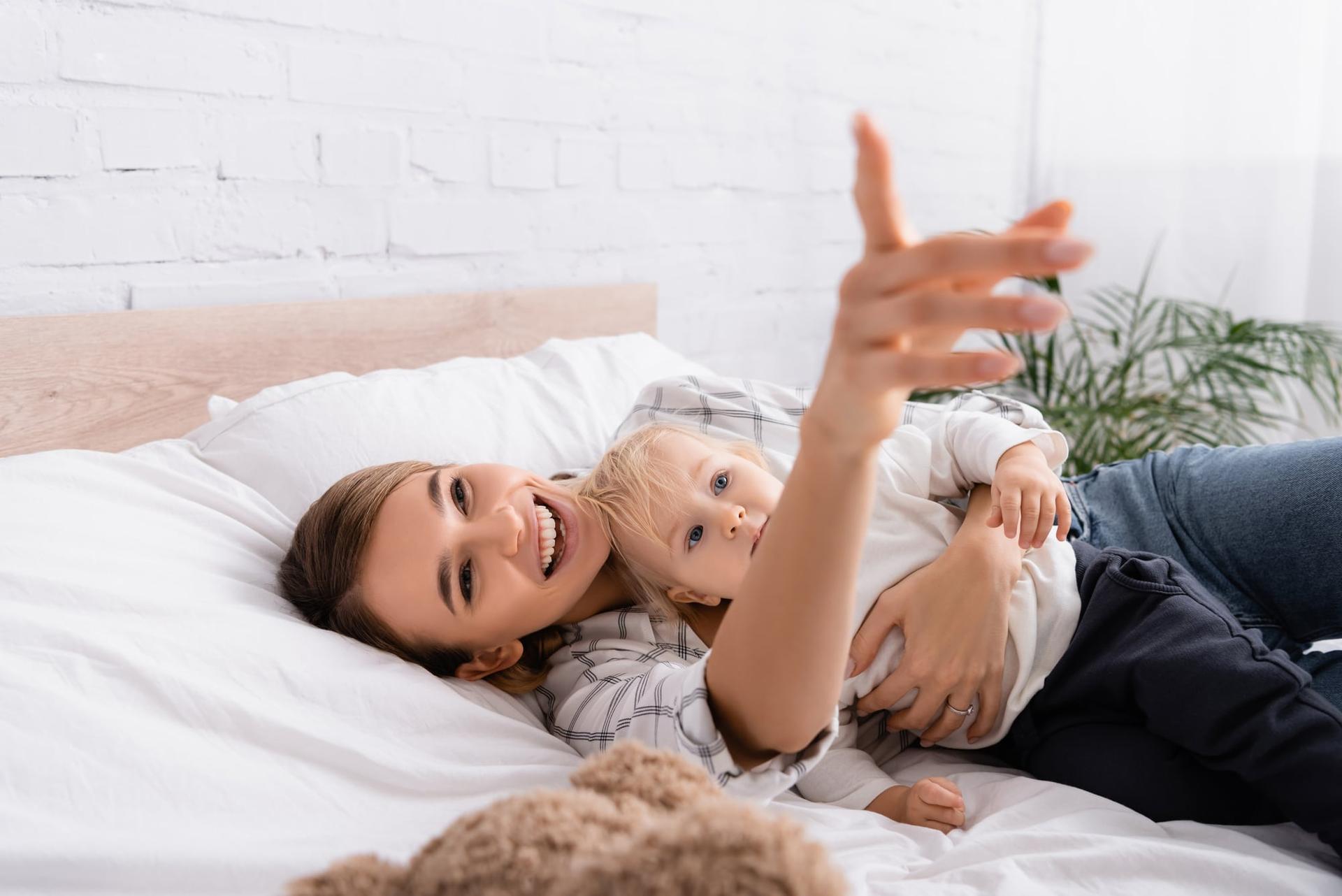
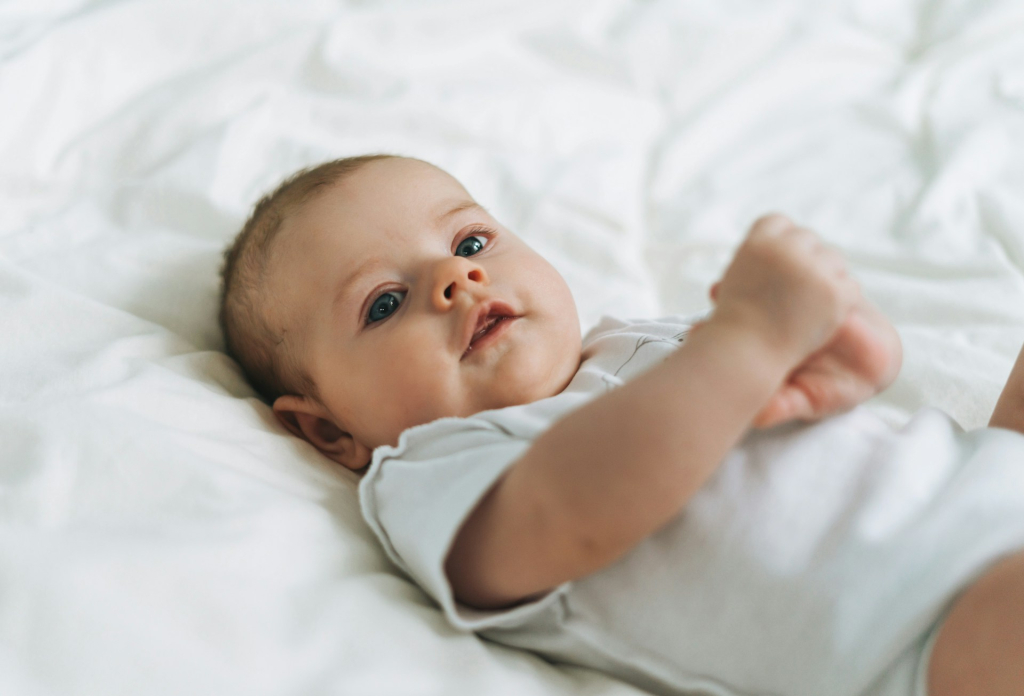
Very young babies are especially drawn to faces and love to linger on them: eyes, smiles, and facial expressions become their first channels of communication.
The Role of Visual and Auditory Cues
Babies primarily rely on what they see and hear to tell the difference. Even at just a few months old, they notice signs of life and movement. So, if something moves or makes a sound, they naturally assume it’s a living thing.
Movement is often linked to living beings and serves as a key clue among many others. Sounds like melodic speech or different tones also signal the presence of people.
Why Distinguishing Living from Non-Living Matters
This ability isn’t just fascinating—it’s crucial for a baby’s growth. It helps them engage in social interactions, which are key to their emotional and intellectual development.
Babies understand that people are those they can communicate with, interact with, and learn from. This sets the stage for developing language and social skills later on.
Lab Research and Experiments
Many studies have explored babies’ cognitive abilities. Some experiments tested how infants respond to moving objects versus living beings.
Results showed babies prefer objects that move naturally and can tell the difference between random and intentional movement.
What We Can Learn from Babies’ World
Understanding how babies perceive the world gives parents and experts valuable insights. Being mindful of the stimuli we surround little ones with can shape their growth, emotional bonds, and learning abilities.
It’s clear that babies don’t just sense their environment—they actively learn from it. As research uncovers more about their preferences and recognition skills, we deepen our understanding of each step in their development. One thing’s certain: a baby’s world is a rich, intimate system full of potential and curiosity.