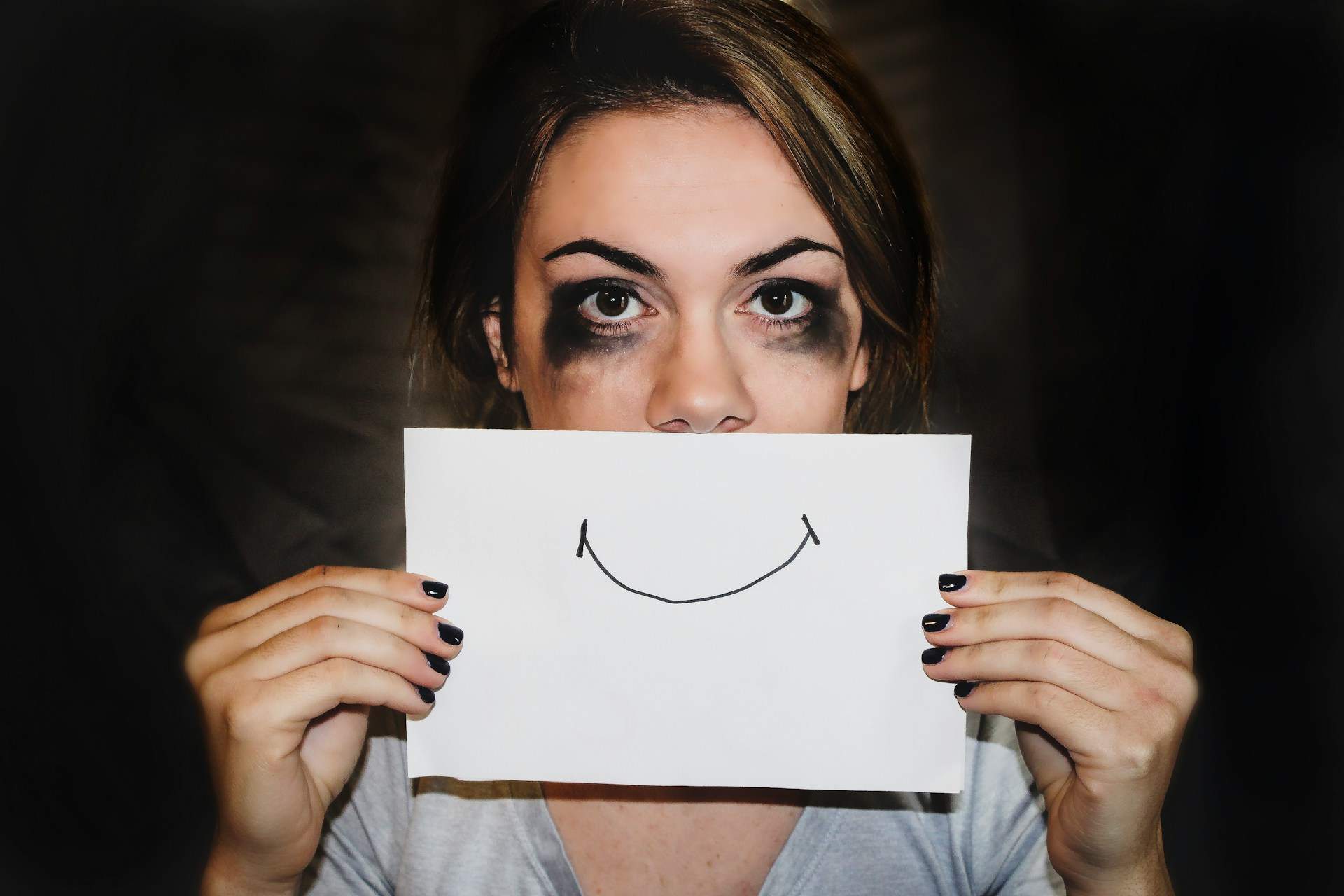
Paul J. Zak, a neuroeconomist at Claremont University, conducted a study showing that people who cry while watching movies tend to be more empathetic, better at managing their emotions, and stronger when facing everyday challenges. Even though we often associate emotional sensitivity with weakness, it’s actually the opposite.
Why Do We Cry During Movies?
Zak’s participants knew the movie wasn’t real and the story was fictional, yet they couldn’t hold back their tears—so why? The answer is simple but layered: this reaction is driven by oxytocin. This hormone plays many vital roles in our body, including regulating emotions. When we watch a movie, we naturally connect the story with feelings, triggering oxytocin production in our body.
Thanks to this hormone, we become more empathetic and more responsive to emotional cues around us, making it easier to get teary-eyed during movies later on.
Zak found that the more deeply we empathize with what’s on screen, the more oxytocin our body produces—and this hormone also affects us in real life by making us emotionally balanced and more compassionate.
Emotionally Stronger
Zak discovered that people who didn’t feel embarrassed about crying while watching movies were actually braver than their peers. They weren’t afraid to show their true feelings or think that hiding their tears would solve anything. They didn’t worry about others’ opinions, judgments, or criticism. The expert behind the study says oxytocin plays a role here too, as higher levels influence how much we fear—or don’t fear—standing up for ourselves.

High Empathy and Stress Relief
Those who easily shed tears during movies tend to have higher empathy levels. They feel events more deeply and understand situations better, which means they’re naturally more compassionate. They trust others more and can build deeper connections.
Zak also found that people who cried during movies knew well that tears are a great way to release tension and stress—and they offer a chance to connect with others and work through problems.
Crying pushes us to turn thoughts into actions, break free from stagnation, and end what’s causing sadness in our lives.
Breaking Free From Stigmatized Gender Roles
The study included both women and men. Regardless of gender, those who teared up during movies agreed that crying isn’t just for women and doesn’t equal weakness.
On the contrary! They saw labeling people by gender—especially about something like crying—as a limited and unfair viewpoint. Those who cried during movies didn’t separate emotions by gender; they embraced expressing feelings naturally, whether the person was a man or a woman.