What a hydrating layer actually does
The class of product that helps here is the one that looks like it's doing the least: a watery or milky essence, a hydrating toner, a simple serum built around humectants. Look for glycerin high on the ingredient list, along with hyaluronic acid, panthenol, urea in low concentrations, or amino acids. Humectants pull water into the upper layers and plump them slightly, which is the real mechanism behind that immediate look of light bouncing off the cheekbone.
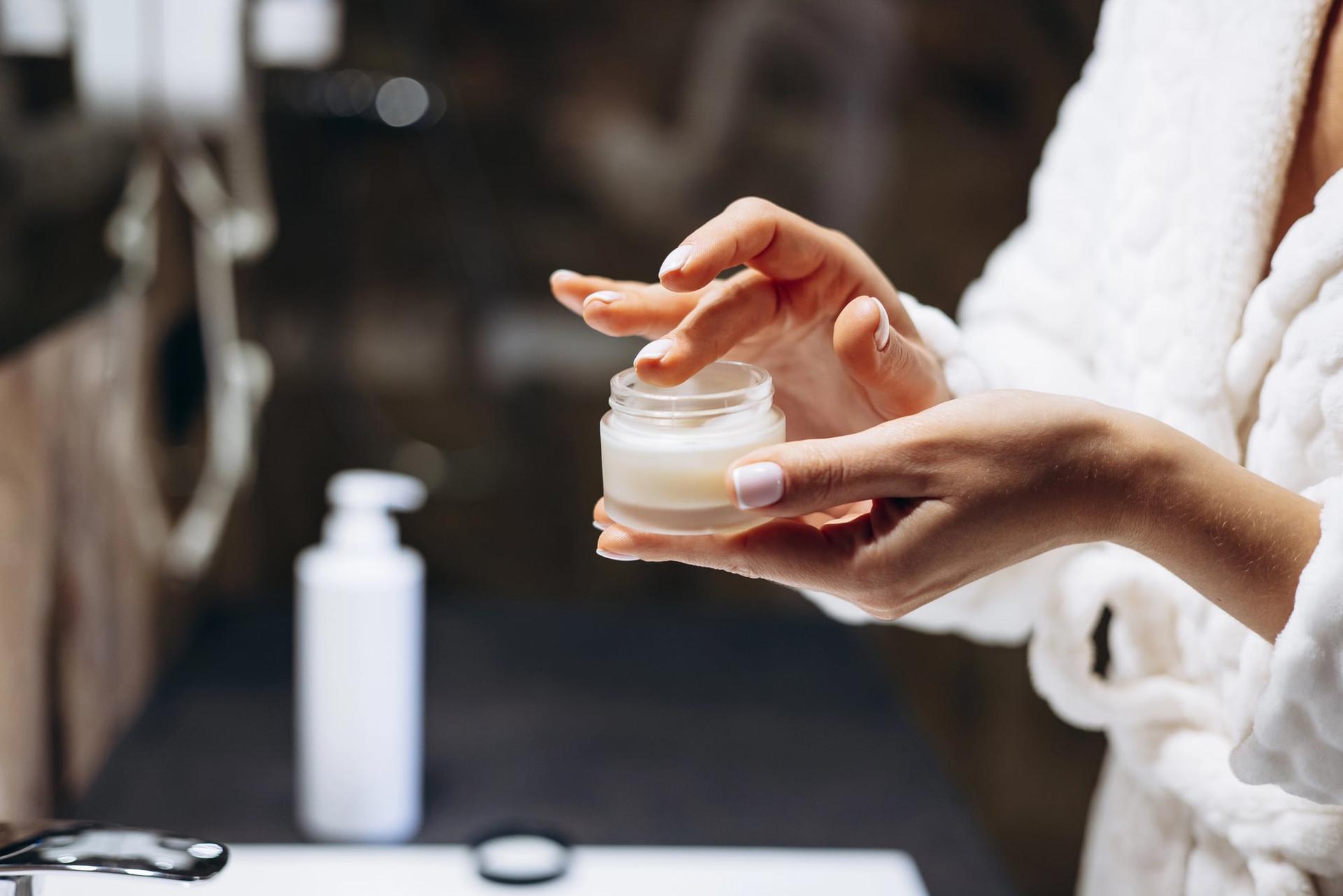
Two application details make more difference than the product itself. Apply onto skin that is still damp from cleansing rather than towel-dry — humectants need water available to draw on, and on dry skin in a dry room they can work against you. Then seal them. A cream or lotion with something occlusive in it, even something as unglamorous as petrolatum or squalane, stops the water you just added from evaporating within the hour. Hydration without a seal is a rinse.
A two-week reset, then a careful reintroduction
For fourteen days, strip your routine to four steps: a gentle cleanser that leaves your face comfortable rather than squeaky, a hydrating layer on damp skin, a moisturiser, and daily sun protection. No acids, no retinoid, no scrubs, no clay masks. This feels like giving up, and it is the fastest route back to a face that looks rested.