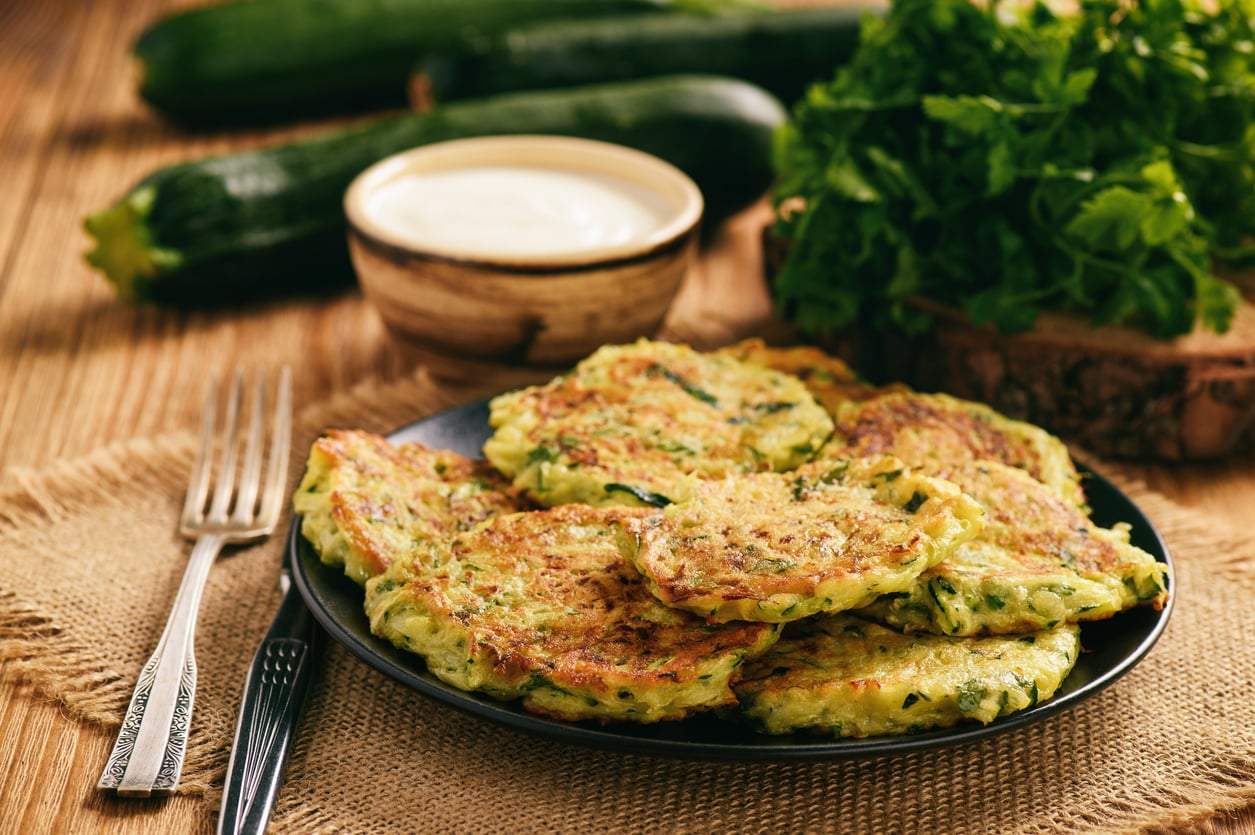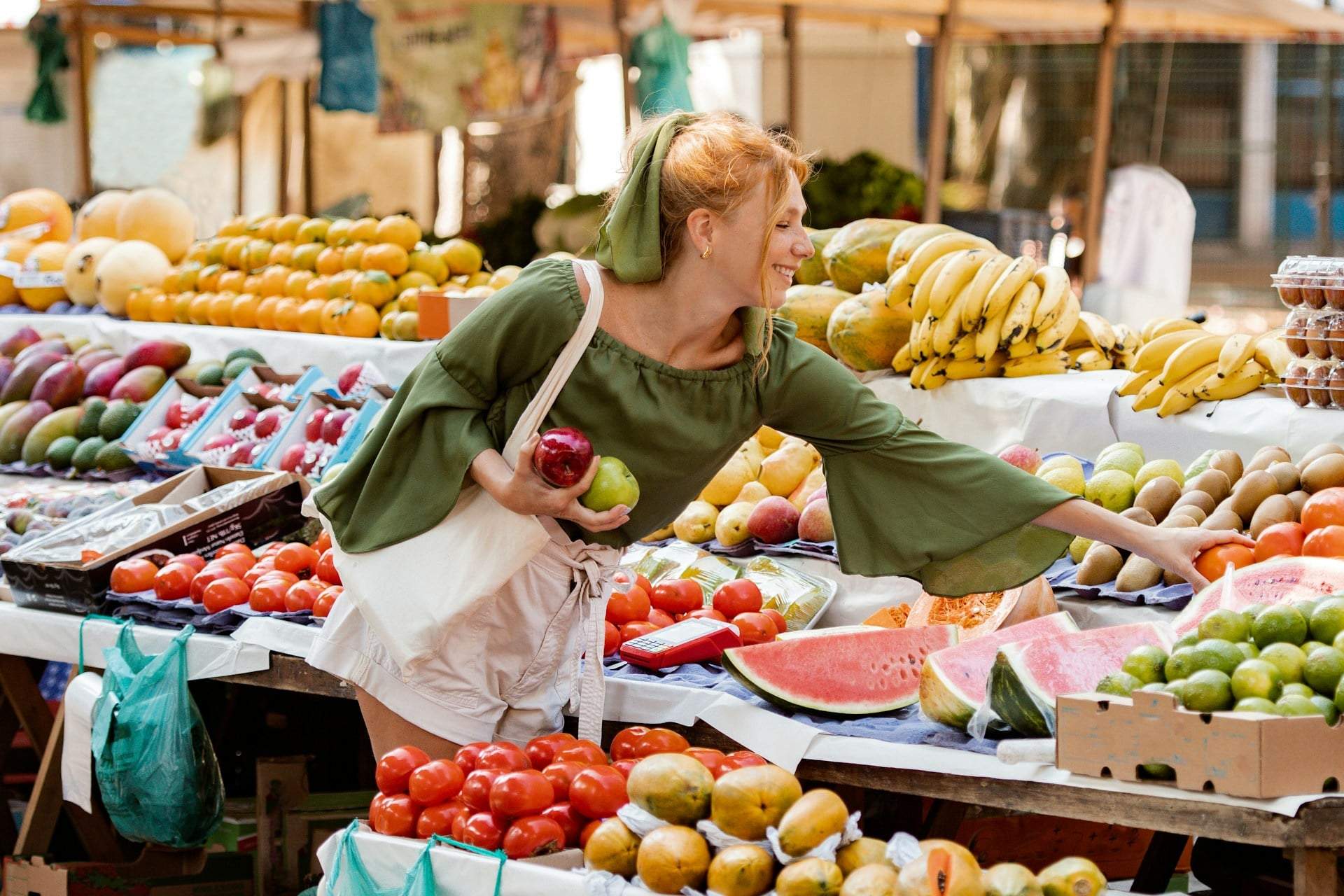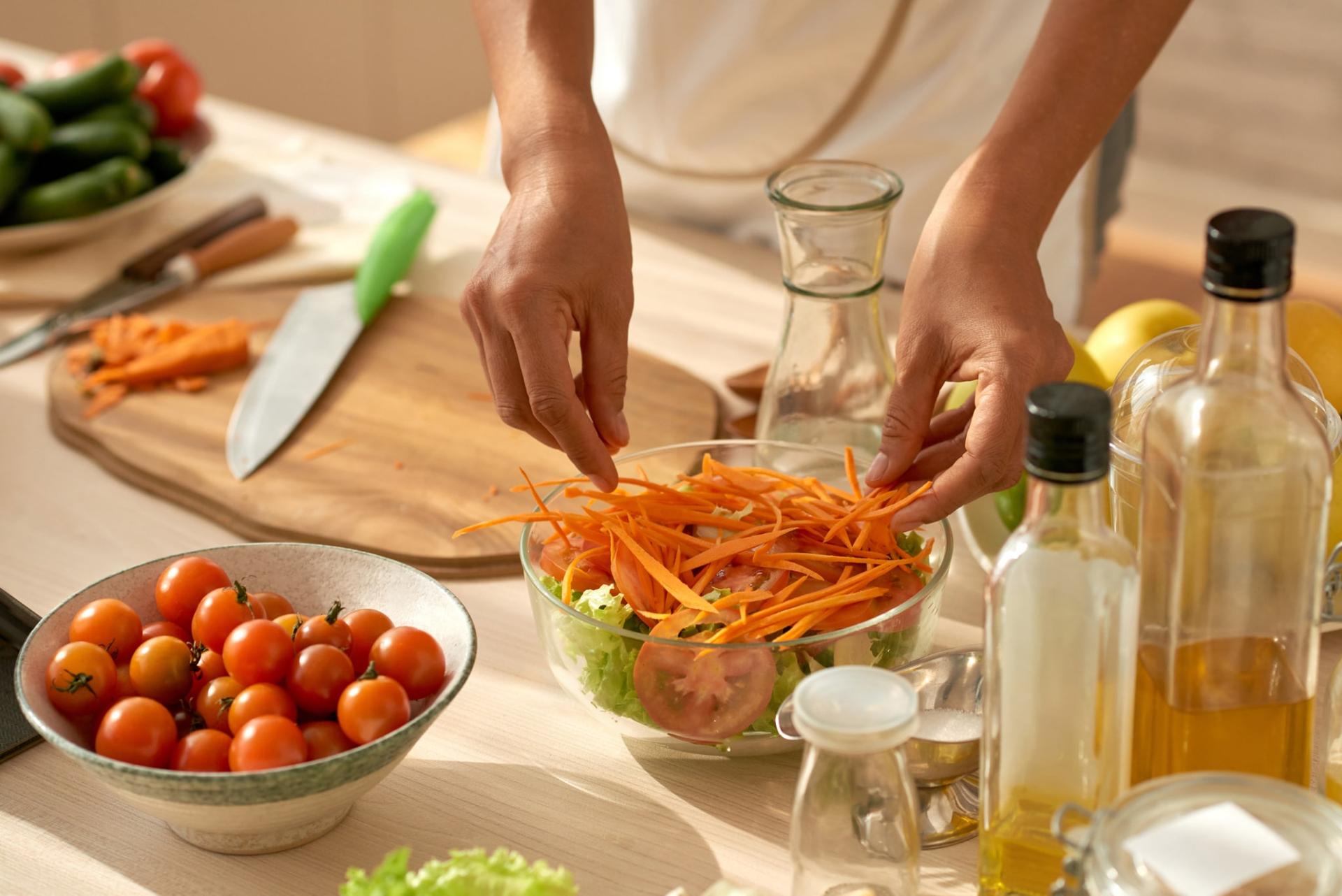
Here’s exciting news for calorie counters and dieters: some foods actually burn more calories during digestion than they provide, making them practically zero-calorie. It might sound unbelievable at first, but these foods not only support weight loss but also bring unique flavors to your meals.
Why Are These Foods Called "Negative-Calorie"?
This concept is often misunderstood. The idea is that digesting certain foods burns more calories than the food provides, resulting in a negative calorie effect. But this doesn’t mean these foods are magical weight-loss cures. Instead, their high fiber and low calorie content make them excellent diet boosters.
The Stars of Zero-Calorie Foods
Many vegetables and fruits fit perfectly into a health-conscious diet without adding extra calories. Here are some of the most popular ones:
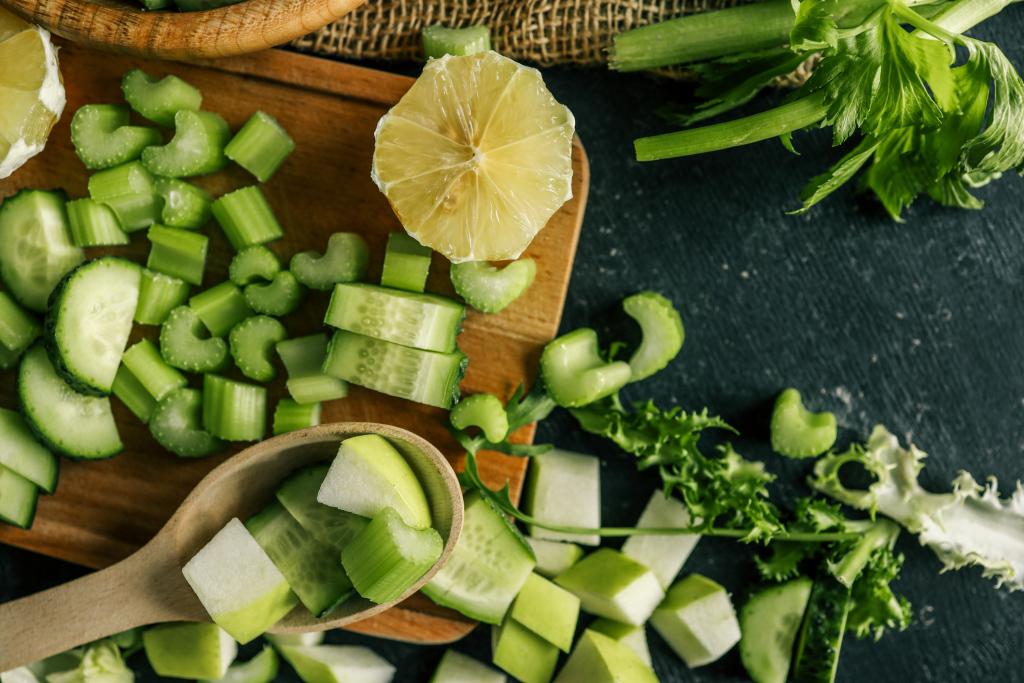
- Celery: A classic "negative-calorie" food, celery is mostly water and fiber, making it incredibly low in calories.
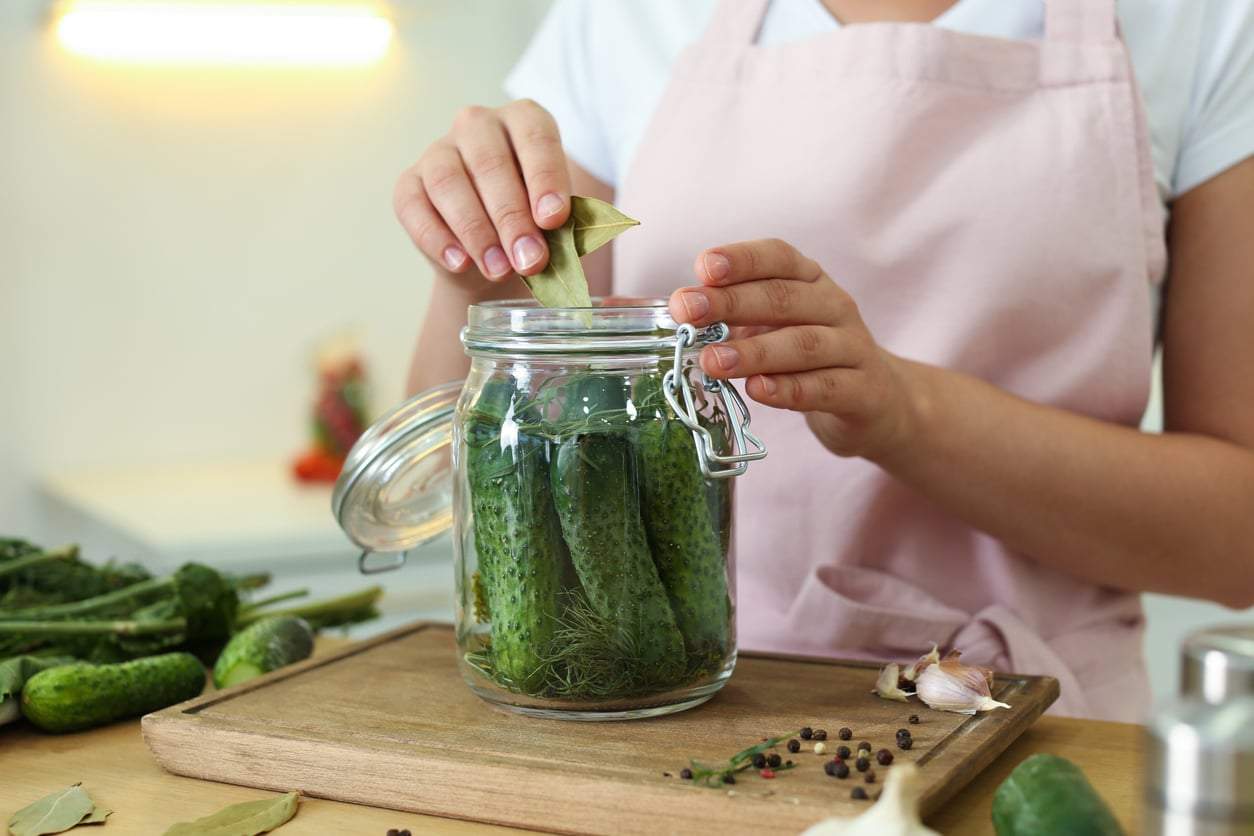
- Cucumber: Refreshing and crunchy, cucumber is great for salads or as a crisp snack on its own.
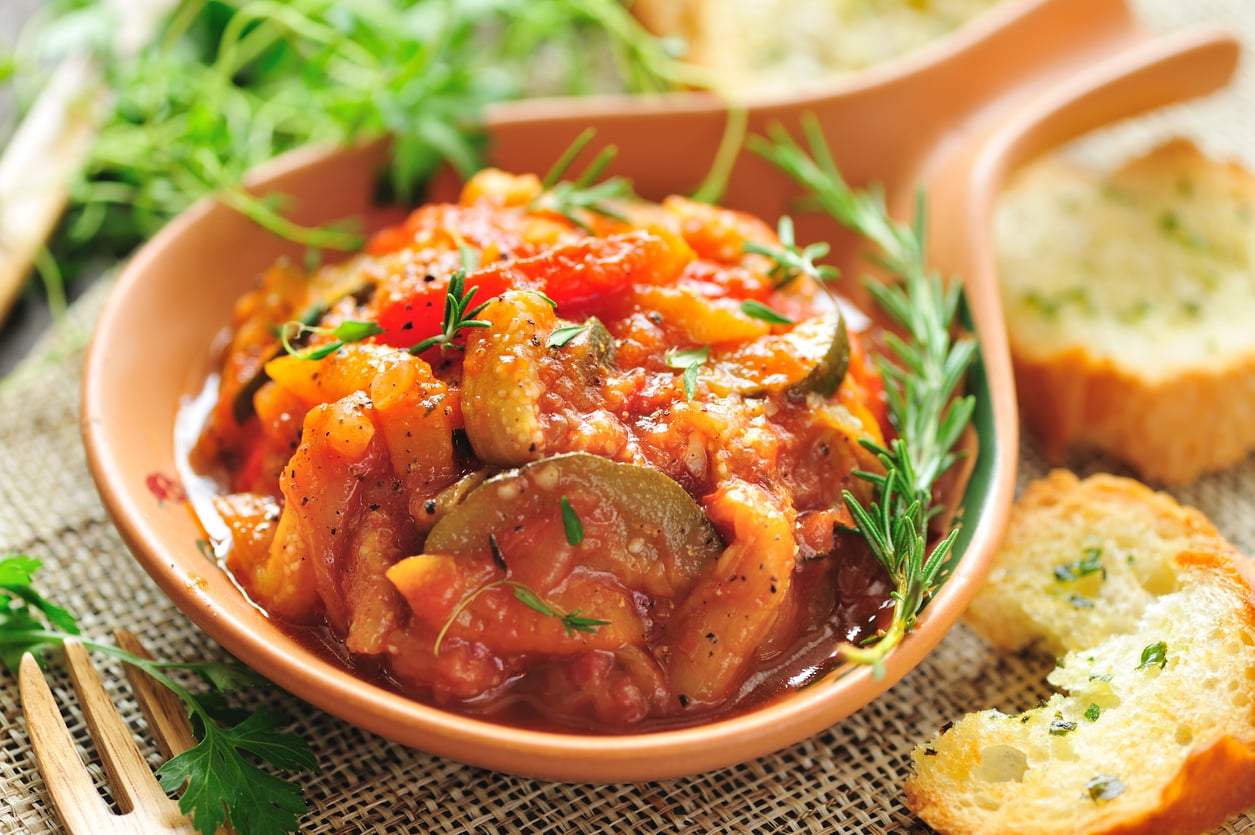
- Tomato: Often considered a fruit, tomatoes are versatile in salads and cooked dishes alike.
- Broccoli: Low in calories and rich in vitamin C, broccoli also supports your immune system.
- Watermelon: Not just a summer favorite, watermelon hydrates and refreshes anytime.
How to Make the Most of These Foods
These foods shine not just on their own but when combined into tasty, nutritious dishes. Variety and creativity are key. Try these tips to get the best out of these fantastic ingredients:
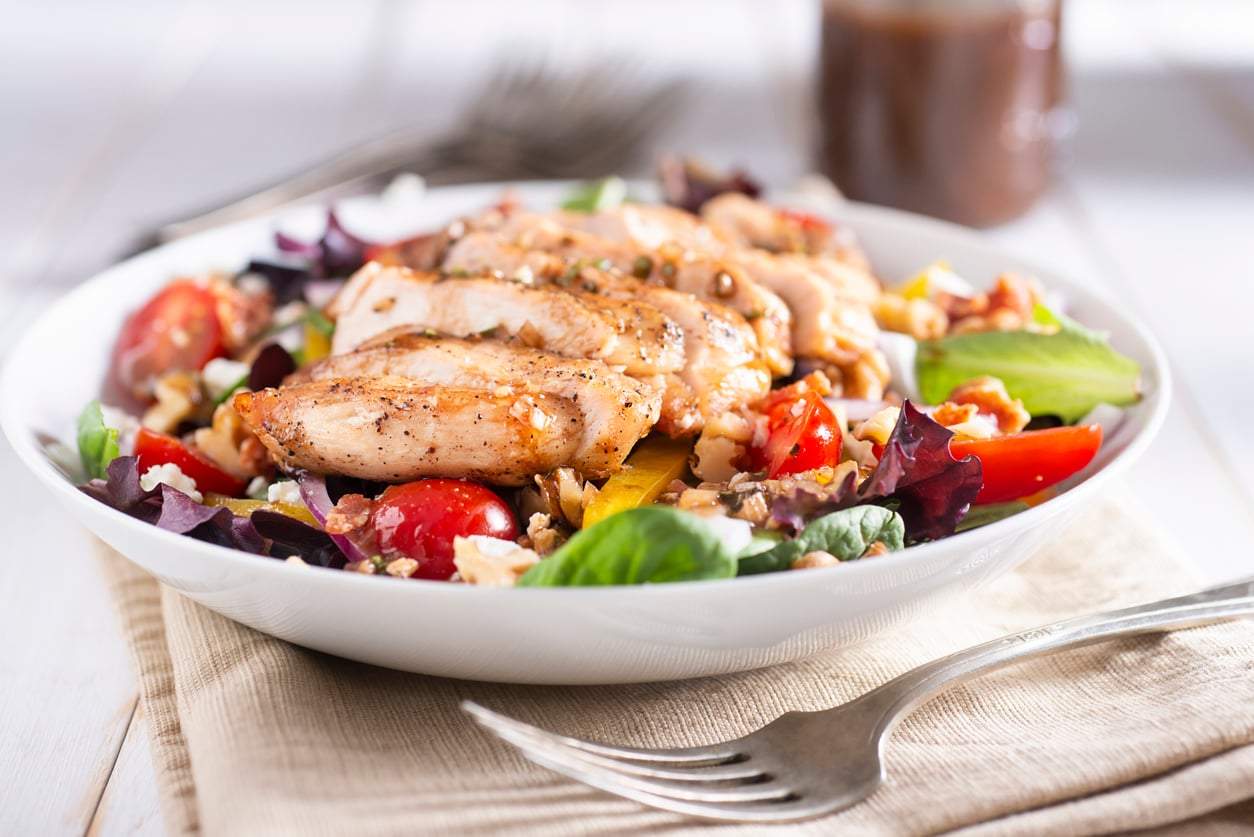
- Salads: Boost a simple green salad with celery, cucumber, tomato, and a splash of lemon juice for a low-calorie, refreshing flavor.
- Smoothies: Blend green veggies and fruits like broccoli or watermelon for a nourishing breakfast or snack.
- Steaming: Lightly steam broccoli or celery with a pinch of seasoning for a delicious side dish.
Benefits Beyond Weight Loss
While zero-calorie foods mainly support low-calorie eating, they also offer other health perks. For example, broccoli’s antioxidants help cell regeneration, and cucumber’s hydration benefits can enhance skin health.
These foods are also excellent fiber sources, promoting digestion and supporting gut health—especially important for those focused on maintaining a healthy digestive system alongside their diet.
How to Incorporate Them Daily
While "negative-calorie" foods are great on their own, the best results come from including them properly in your diet. They shouldn’t replace a varied, balanced diet but complement it. Pair them with nutrient-rich foods like whole grains, protein-packed legumes, and healthy fats for a complete, balanced eating plan.
Also, aim to include at least one low-calorie ingredient in every meal to enjoy their long-term benefits. Health and weight management aren’t just about calorie counts—they’re about how you build your overall diet.
Overall, these ingredients are fantastic tools for mindful calorie control and conscious eating. Healthy living doesn’t mean giving up—it’s about awareness and variety.