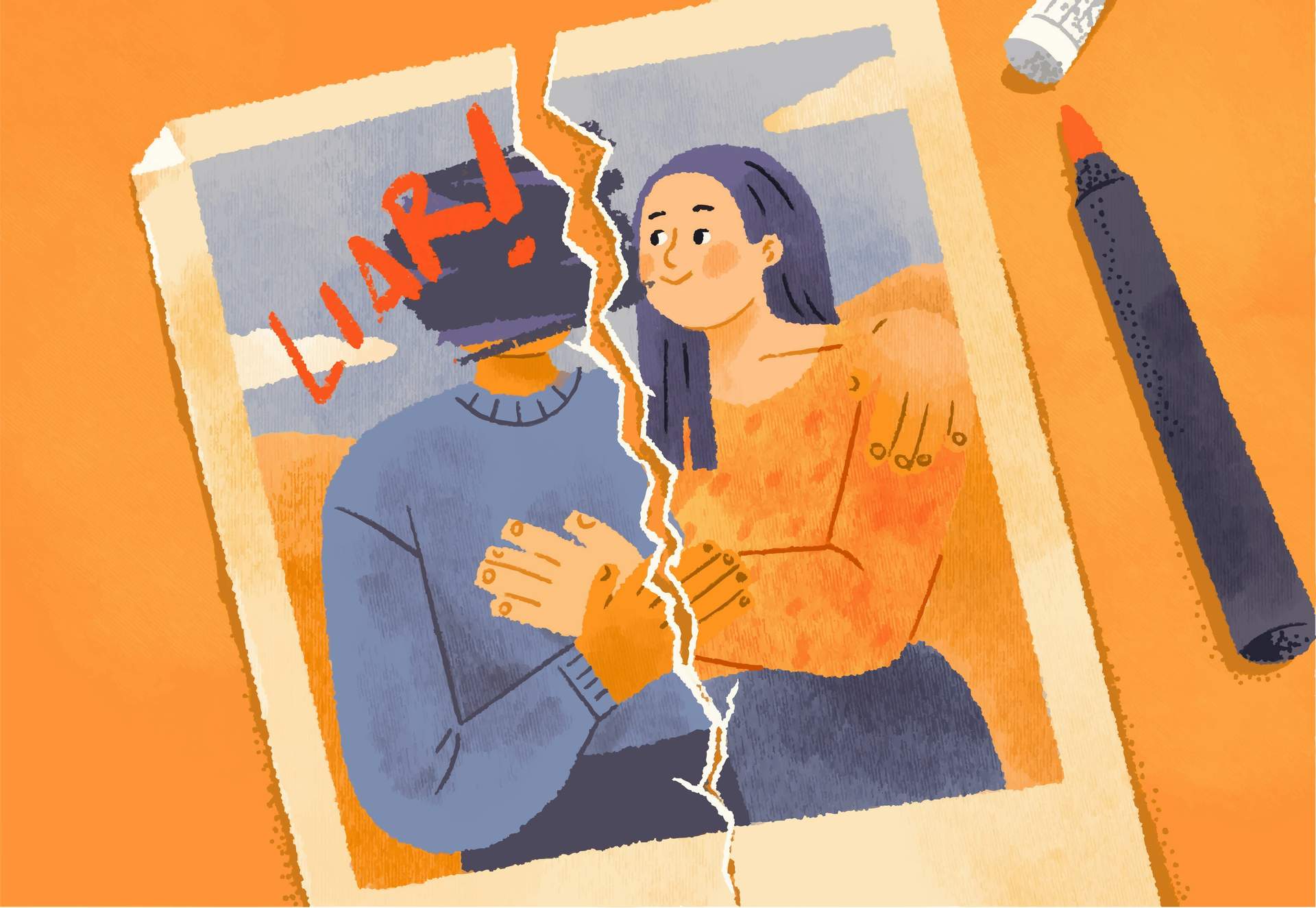
The term "gold digger" is often used negatively for women assumed to be in relationships just for financial gain. But exploitation isn’t exclusive to women—it can happen the other way around, too.
Many of us have seen relationships where women give so much of themselves, quietly carrying invisible emotional burdens, while men invest less in the emotional side of their shared life. Research and psychological insights reveal that many men are actually emotionally dependent on their partners—often without realizing it or openly acknowledging it. It’s like the man acts as an “emotional gold digger”: taking support, stability, and care from the relationship, while the partner barely notices how one-sided this dynamic really is.
Invisible Forms of Emotional Dependence
Many men grow up without truly learning how to handle their feelings, ask friends for support, or manage stress on their own.
Often, the relationship is the only place where these men find emotional safety and understanding. As a result, their female partners become their primary—and sometimes only—source of support.
This isn’t necessarily a problem, since intimacy involves sharing our struggles. The issue arises when almost all the emotional work falls on the woman: she listens to complaints, soothes, motivates, and gives feedback, while the man rarely or never reciprocates.
A Social-Level Challenge
This dynamic is deeply rooted in social expectations. Boys are often raised to be "tough," hide vulnerability, and avoid talking about feelings. As adults, they lack the skills to build deep, emotionally supportive friendships. When facing difficulties, they usually turn to their partners—and often only open up to them. But without the right tools—or sometimes just the willingness to put in emotional effort—their partners can no longer rely on them the same way.
This creates a situation where women become not just partners, but "emotional managers" in the relationship. Over time, this can be exhausting—especially if the man doesn’t realize how much he’s receiving and how little he’s giving back.
What Does This Look Like in Real Life?
A typical scenario: a man comes home stressed from work and spends hours sharing his problems, while his partner listens patiently, calms him down, and offers solutions. But when the woman needs similar attention, the man either brushes it off with quick advice or can’t connect on a deeper level.
It’s also common for men to seek emotional support in everyday situations where they could be more independent—like handling conflicts, maintaining family ties, or managing their own mental well-being. Think about how many families rely on the woman to keep in touch with the mother-in-law or remind the husband to call his mom on her birthday.
Why Is This Dynamic Risky?
Emotional gold digging creates imbalance in the relationship over time.
Women may feel like they have to "mother" their partners, pushing their own needs aside. This can lead to tension, burnout, and dissatisfaction.
For men, it’s a dangerous illusion: they might think everything’s fine while their emotional growth stalls, and their partner remains their only steady support. If the relationship ends, they could face a much deeper emotional crisis than in a more balanced dynamic.
Can You Break Free from This?
Old habits aren’t easy to break, but it’s definitely possible to change these patterns. The key is self-awareness and mindfulness. Men can learn to build deeper friendships, handle emotional burdens independently, and become more active, empathetic supports for their partners.
Women can benefit from recognizing the signs: if they’re doing most of the emotional work, it’s time to talk openly with their partners. Honest conversations can help redistribute roles and create a more balanced relationship for both.