Op-ed by Borka Schuster
There's barely an article, social media post, or conversation about the abuse of women that doesn't attract the same inevitable comment: "not all men." And it's true. Most men don't harass anyone, don't abuse their power, and don't trample over other people's boundaries.
Yet when we talk about the sexism, harassment, and objectification women face, we can't point the finger at individual offenders alone. Because there's another group we rarely talk about: the ones who stay silent.
The men who don't commit these acts themselves, but who are right there — seeing it, hearing it, and saying nothing.
The main offenders are obvious
There are men who behave like harassers, who follow predatory patterns, who don't respect consent, or for whom another person's boundaries mean nothing at all. Their responsibility is beyond dispute. But the problem doesn't end with them.
Research into social behavior has long recognized the "bystander effect": the more people who witness a problematic situation, the less likely any one of them is to step in.
That same dynamic shows up in situations involving harassment, sexism, or crossed boundaries. And that's exactly what keeps the problem alive.
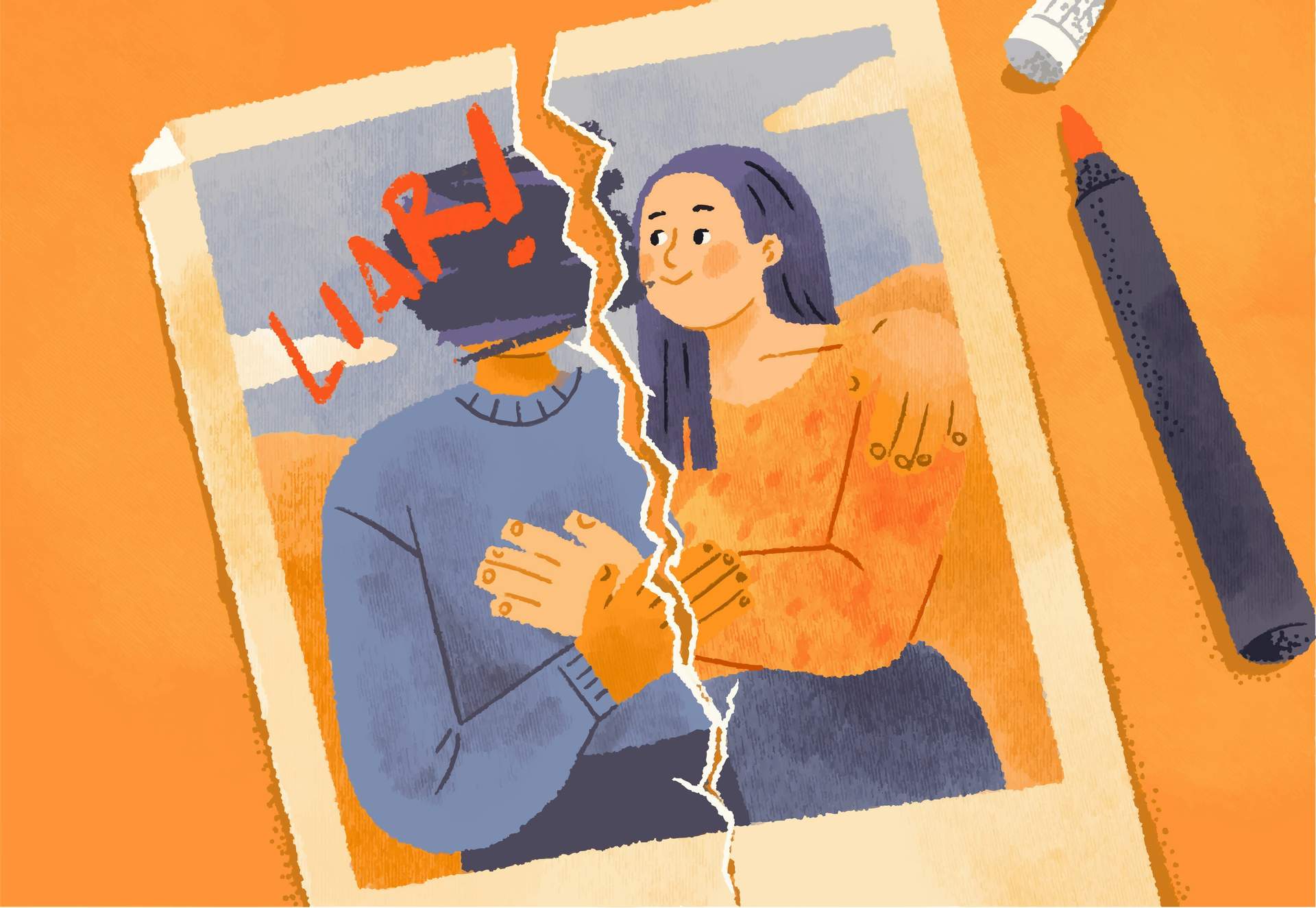
When an objectifying comment is dropped in a group of male friends and no one reacts, the message is: this is acceptable. When someone at a party won't take no for an answer and everyone watches in silence, the message is the same. When a friend regularly talks down about women and no one questions it, that behavior becomes normal. And this is exactly where the "it wasn't me" attitude becomes a problem.
Silence isn't neutral. Silence gives permission. Silence confirms.
Many men feel it's not their place to comment on someone else's behavior, especially among friends. That it's "not their fight," or that they simply don't want conflict. That's an understandable human reaction. Conflict is uncomfortable, friendships are fragile, and no one wants to see themselves as the "morality police."
And yet there's a point where that neutrality stops being neutral. When someone repeatedly crosses other people's boundaries and faces no consequences, it's no longer only about his behavior — it's about the environment that tolerates it.
This doesn't mean every man is responsible for other people's actions. But it does mean that every man is responsible for his own reaction. For his own silence. And those choices add up: social norms don't form on their own. They're built from the small, everyday reactions that signal what's acceptable and what isn't.
In a group of friends, someone saying "that's not okay" carries far more weight than any abstract debate about what counts as disrespect. It might be uncomfortable. It might cause conflict. It might even put a friendship to the test.
But every single time someone stays quiet, the scales tip a little further toward a world where this kind of behavior is fine.
Change takes all of us. As a community, we have to make it clear that objectification, harassment, and boundary-crossing aren't acceptable — not even on the smallest scale.
And if someone chooses not to, they'd better be aware of one thing: he may not be a harasser himself, but a little of the harasser's guilt rests on his conscience too.
What is the bystander effect?
It's a well-documented pattern in social behavior: the more people who witness a problematic situation, the less likely any single one of them is to step in and do something about it.
Isn't "not all men" a fair point?
It's true that most men don't harass, abuse power, or cross boundaries. But the article argues that focusing only on individual offenders ignores the people who witness this behavior and choose to stay silent.
Why does staying silent make someone part of the problem?
Because silence isn't neutral — it gives permission and normalizes the behavior. When an objectifying comment or a crossed boundary goes unchallenged, the group's silence signals that it's acceptable.
What can one person actually do among friends?
Something as simple as saying "that's not okay" in the moment carries far more weight than any abstract debate. It may be uncomfortable or spark conflict, but it helps shift social norms in the right direction.