Opinion piece by Barbara Lee
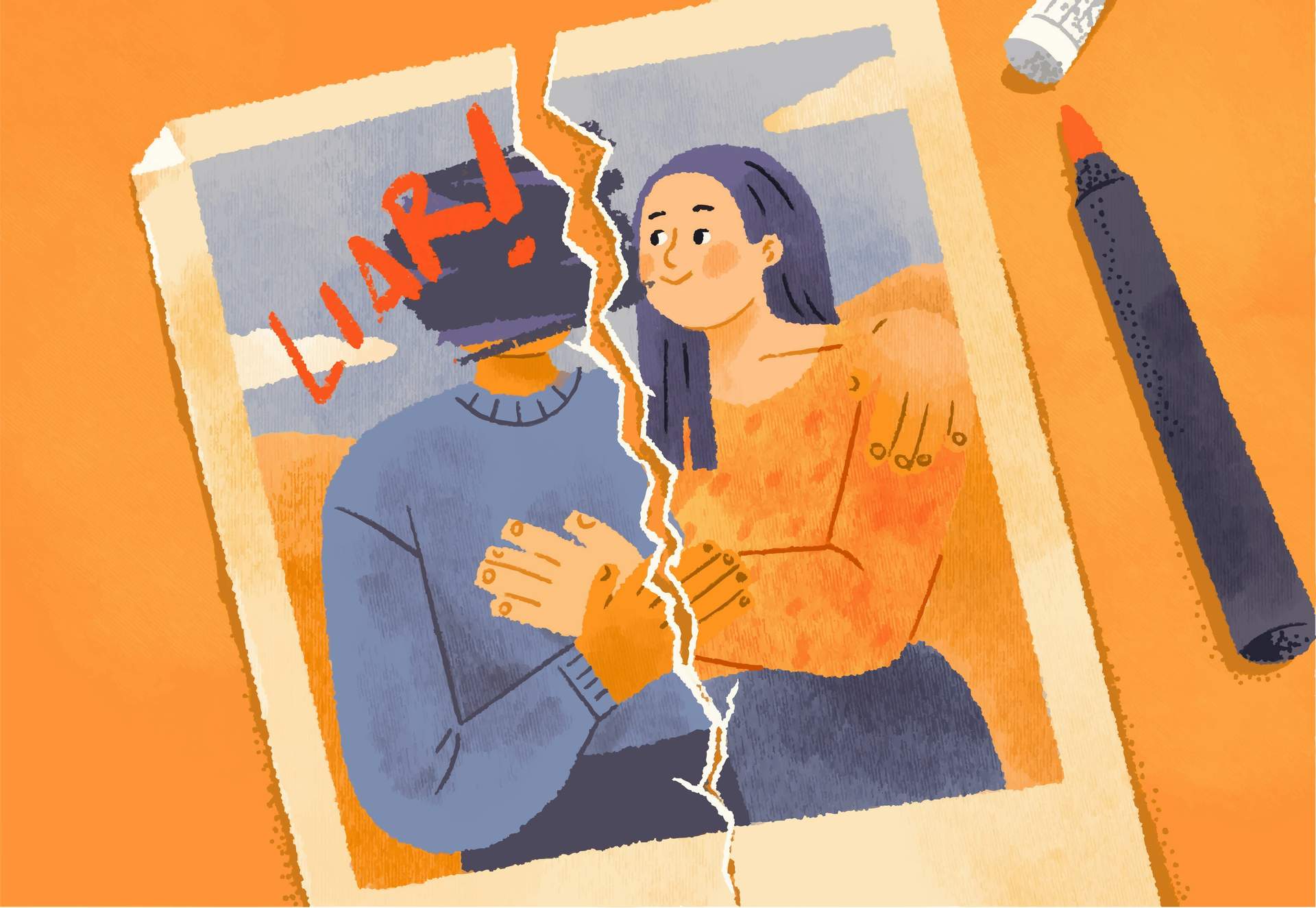
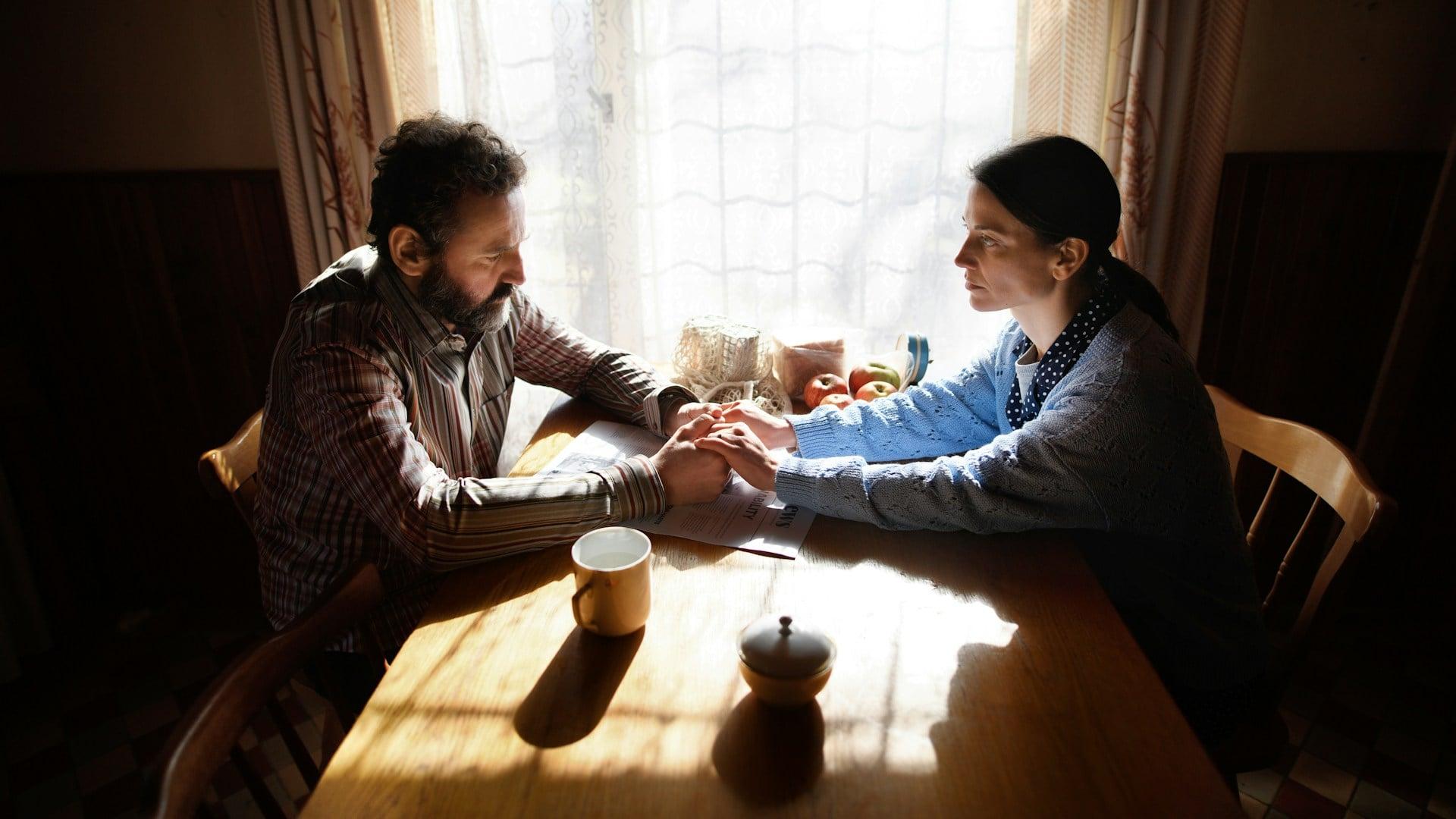
For a long time, I thought the problem was me. Whenever I talked about my marriage, I could see the envy in other people's eyes — and honestly, I understood it. On paper, I had everything. A kind, intelligent, supportive husband. A man who didn't drink, didn't cheat, never hurt me. Someone reliable, present, genuinely good.
We had a beautiful child. A warm home. We weren't wealthy, but we never had to lie awake worrying about bills. From the outside, I was living the life people dream about. And I was absolutely miserable.
For years, I couldn't bring myself to say that out loud. Not even to myself. How do you complain when you have so much? What could possibly be missing? That question kept me trapped in guilt for a very long time.
"Just be more grateful"
Every time unhappiness surfaced in me, my inner voice had a quick answer: be grateful. Look at everything you have. Other people would give anything for this life.
But gratitude and happiness are not the same thing. You can be genuinely thankful for what you have and still be deeply unhappy. It took me a long time to truly understand that.
I think many of us grow up believing that happiness is simply the result of checking the right boxes. Find the right partner. Get a home. Achieve financial security. Start a family. And yes, those things matter.
But somewhere along the way I realized that happiness isn't something you build by ticking off a list. Because even when every external condition is met, you can still lose yourself in the process. That's exactly what happened to me.
For years I lived a life that looked great from the outside, but felt less and less like mine. I couldn't quite name what was missing. I only knew that every day, I was drifting a little further from the person I actually was.
It wasn't my husband's fault. It certainly wasn't our child's. It wasn't the house or our circumstances. I had simply ended up in a life that no longer felt like my own.
What do you do when everything is fine — and you still aren't happy?
I think a lot of people in this situation choose to stay. Not because they feel good, but because they've started to see their unhappiness as a moral failure. Because wanting more feels like ingratitude. But it isn't.
Gratitude doesn't mean erasing yourself. And being a good person doesn't require spending a lifetime in a role where you feel increasingly invisible.
When my marriage finally ended, people were shocked. From the outside, everything had seemed to be working. But strangely, what I felt wasn't grief — not primarily. It was relief. Like I had finally surfaced after years of holding my breath.
Not because what came before was bad. But because for the first time in years, I had the chance to find out what was actually mine.
Since then, I've thought a lot about how easily we confuse a successful life with a happy one. Sometimes they overlap. Sometimes they don't. And in the end, we are each responsible for our own happiness — no matter how good things look from the outside.