Psychopathy has fascinated researchers and psychologists for years, especially when it comes to female offenders. Studies show about 17% of incarcerated women meet the criteria for psychopathic behavior. But what does it really mean to be a psychopath, and how can you spot these individuals in everyday life?
Perfect on the Surface, Cold Inside

One key trait of psychopaths is their charm and likability at first glance. But behind this polished mask lies a cold emotional world and selfish behavior. These individuals often manipulate those around them, exploiting emotions without a hint of guilt.
Female psychopaths are especially skilled at hiding their feelings, sometimes maintaining normal relationships for years without raising suspicion. Watch out if your friend consistently bends situations to her advantage and seems to have no concept of empathy.
Manipulative Communication and a Thirst for Control

Female psychopaths are masters of manipulation, ready to use any tactic to get what they want. They often show passive-aggressive behavior but are also skilled at direct manipulation. They have a sharp sense for others’ weaknesses and turn them to their advantage.
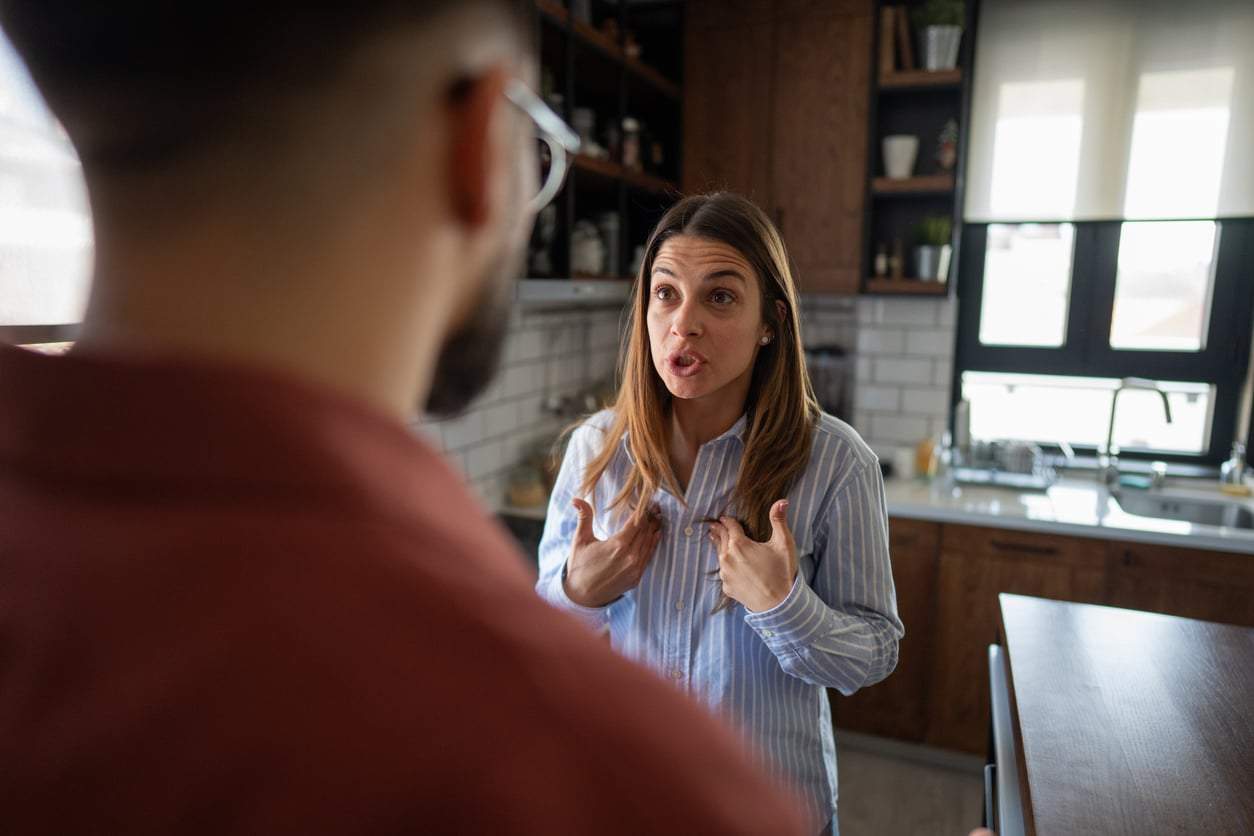
In conversations, they skillfully steer discussions to benefit themselves. If you argue with them, they’ll cleverly shift the topic, leaving you in a position where you have to explain yourself.
Trampling Others to Get What They Want

A true psychopath, regardless of gender, knows no boundaries when it comes to satisfying their desires. Others’ feelings or needs don’t stand in their way. Female psychopaths’ behavior may seem unpredictable at first, but it’s actually part of a complex strategy.
They tend to crush or sideline anyone who stands in their path to achieve their goals. Whether it’s a career move or a personal ambition, the outcome matters most—not how many people get hurt along the way.
Recognizing and accepting when such a person enters your life is crucial. Protecting your personal boundaries is key to maintaining your mental well-being. Avoid situations where you might feel vulnerable, and don’t hesitate to ask for support if you need it.