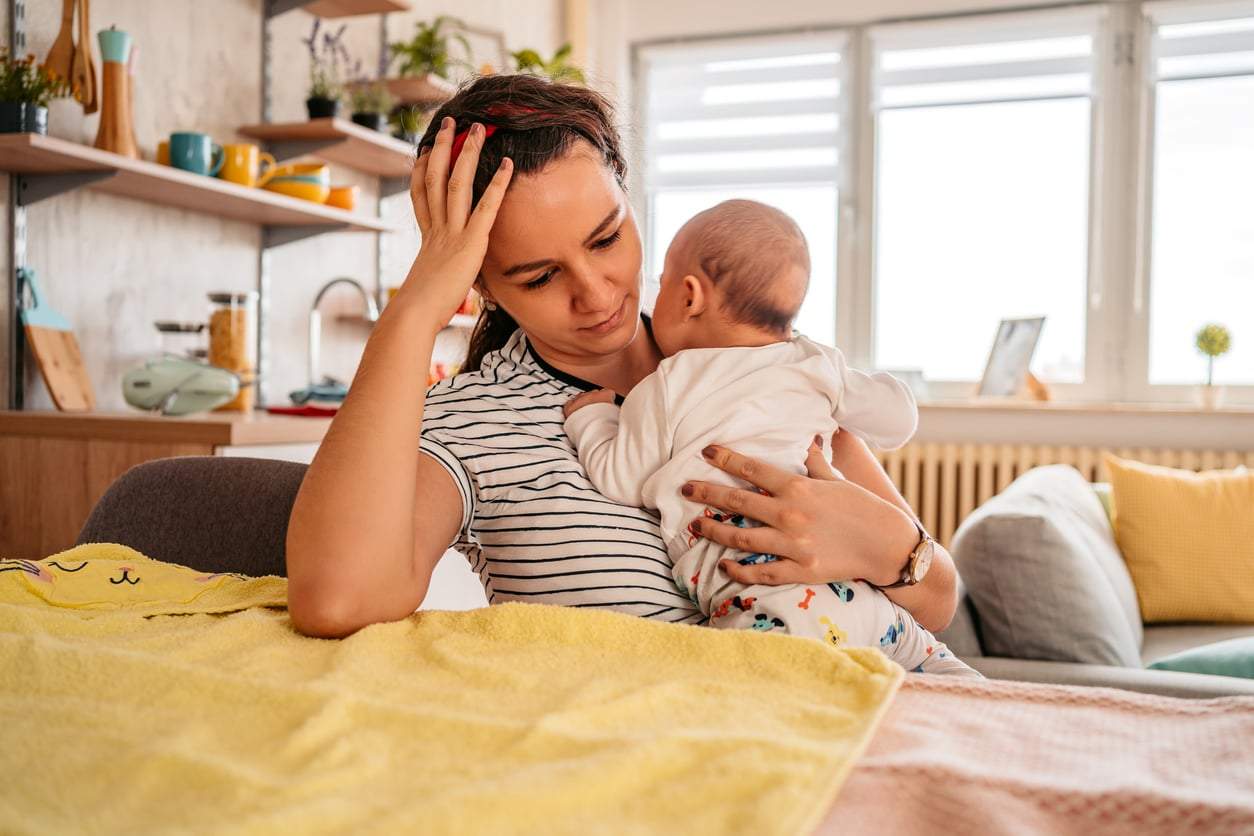
When someone lives with ongoing anxiety, it doesn’t just shape their thoughts and feelings—it also influences how they relate to their partner, communicate, handle conflicts, and feel safe in the relationship.
It’s helpful to know that different types of anxiety create unique patterns in love life—understanding these can empower couples to navigate their relationship consciously and together.
Catastrophizing Anxiety: The Vicious "What If" Cycle
One of the most common anxiety types is catastrophizing, where our brain automatically imagines the worst-case scenarios. This anxiety stems from struggling with uncertainty:
the more we fear uncertainty, the more our thoughts drift toward the "what if" questions.
In a relationship, this might look like constantly worrying about the future—does my partner still love me? Are they loyal and committed?
This type often seeks constant reassurance, which can become exhausting for both partners over time. It’s key to distinguish when fears are based on facts and when they’re born from imagination. Awareness, returning to the facts, and self-soothing skills are essential to maintaining balance in the relationship.
Control Anxiety: When Over-Caring Creates Tension
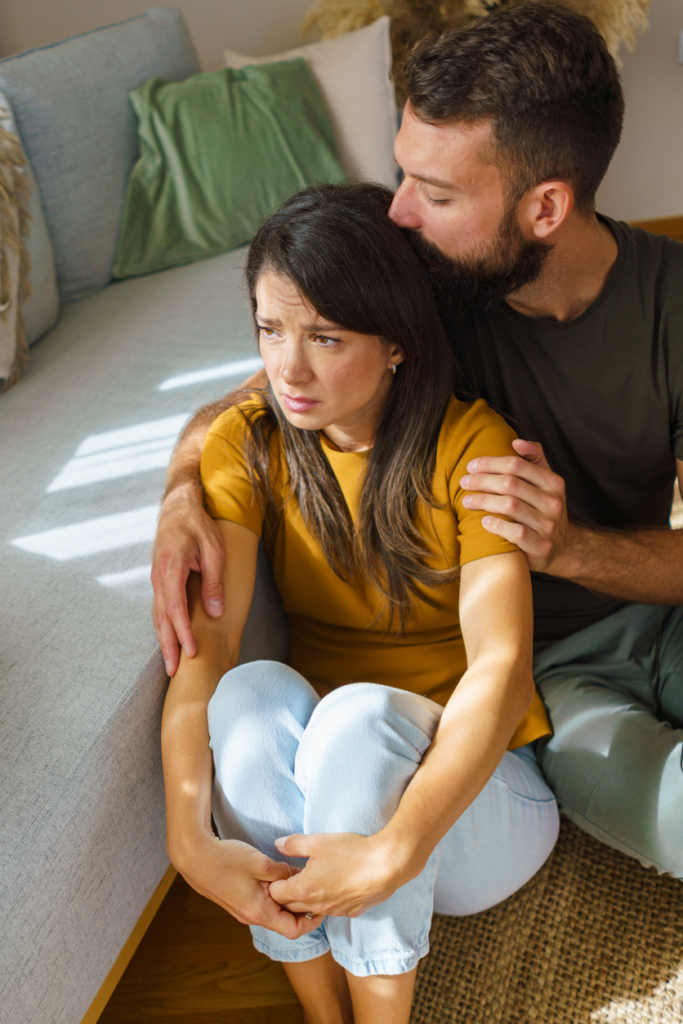
Control-type anxiety shows up in people who struggle to let go of control and feel they must take on most of the responsibilities—whether it’s managing the relationship’s logistics or making joint decisions.
This anxiety often leads to taking on too much responsibility and tasks, which then causes frustration.
Your partner might feel constantly criticized or mistrusted, while you believe it’s better if you just handle things yourself. One way forward is to practice consciously delegating—starting with small, low-stakes tasks—and openly discussing who takes on what. This not only shares the load but also builds trust.
Distorted Beliefs: Self-Sacrifice for the Sake of Peace
Anxiety from distorted beliefs comes from deep, internal patterns: false ideas suggesting we’re not good enough or that love is conditional. In relationships, this often shows as a tendency to immediately "fix" everything during conflicts—even at the cost of one’s own needs.
This behavior might bring short-term peace but can undermine self-esteem and true intimacy over time. The key is learning to pause and respond thoughtfully instead of reacting automatically. It’s also vital not to neglect your own needs—healthy relationships thrive when both voices are heard.

Anxiety and Communication: When Talking Becomes Tough
Anxiety can seriously affect how well couples communicate. Excessive worry or inner tension often makes it hard for partners to open up or leads to misunderstandings and unclear messages. Unspoken fears and miscommunication can build tension and mistrust that go beyond individual stress.
For example, misinterpreted words or a chain of worried "what could that have meant?" thoughts can easily mislead a couple. In these moments, open, mindful communication—where both partners share feelings without judgment—is absolutely crucial.
Dependency and Distance: Two Extremes in Relationships
Anxiety can cause some people to become overly attached, while others do the opposite and pull away. These extremes often stem from inner fears:
The attached partner fears losing their love, while the distant partner fears rejection or getting hurt.
These poles can be especially challenging because one partner seeks security while the other tries to avoid the burden. Working together—sometimes with therapy support—can help you both recognize your anxiety patterns and find balance between closeness and independence.
Awareness and Growth: How Anxiety Can Become a Source of Strength
While anxiety brings challenges to relationships, it doesn’t have to be destructive. When we identify the type of anxiety we’re facing and how it shows up in our partnership, we can respond more mindfully to tough moments. The goal isn’t blame but growing together as a couple—making room for trust, shared decisions, and genuine emotional intimacy.