Everyone recognizes love the moment it hits them — the racing thoughts, the sleepless nights, the sense that one person suddenly matters more than anything. And yet, almost no one can explain exactly what it is.
Here's the truth most of us miss: love isn't a single emotion. It's a process, with its own stages, physical signals, and pitfalls. Understanding how it actually unfolds can change the way you see your own relationship — and help you tell the difference between a passing spark and something built to last.
What actually happens inside us when we fall in love
At the very beginning of love, the brain's reward system goes into overdrive. All your attention locks onto one person, you tend to see them in an idealized, almost flawless light, and focusing on anything else feels nearly impossible. That's why so many people find they can't work, eat, or sleep properly — someone else is living rent-free in their head.
This kind of obsession is actually biologically useful. It pushes us to get close to the other person and pour energy into building the bond.
The stages of love
Most relationship researchers break the journey into a few clearly distinct stages — even if their length varies enormously from person to person and couple to couple.
1. Attraction and infatuation
This is the exciting, high-tension phase of getting to know someone, when every meeting feels like an event and even uncertainty fuels the desire.
2. Merging
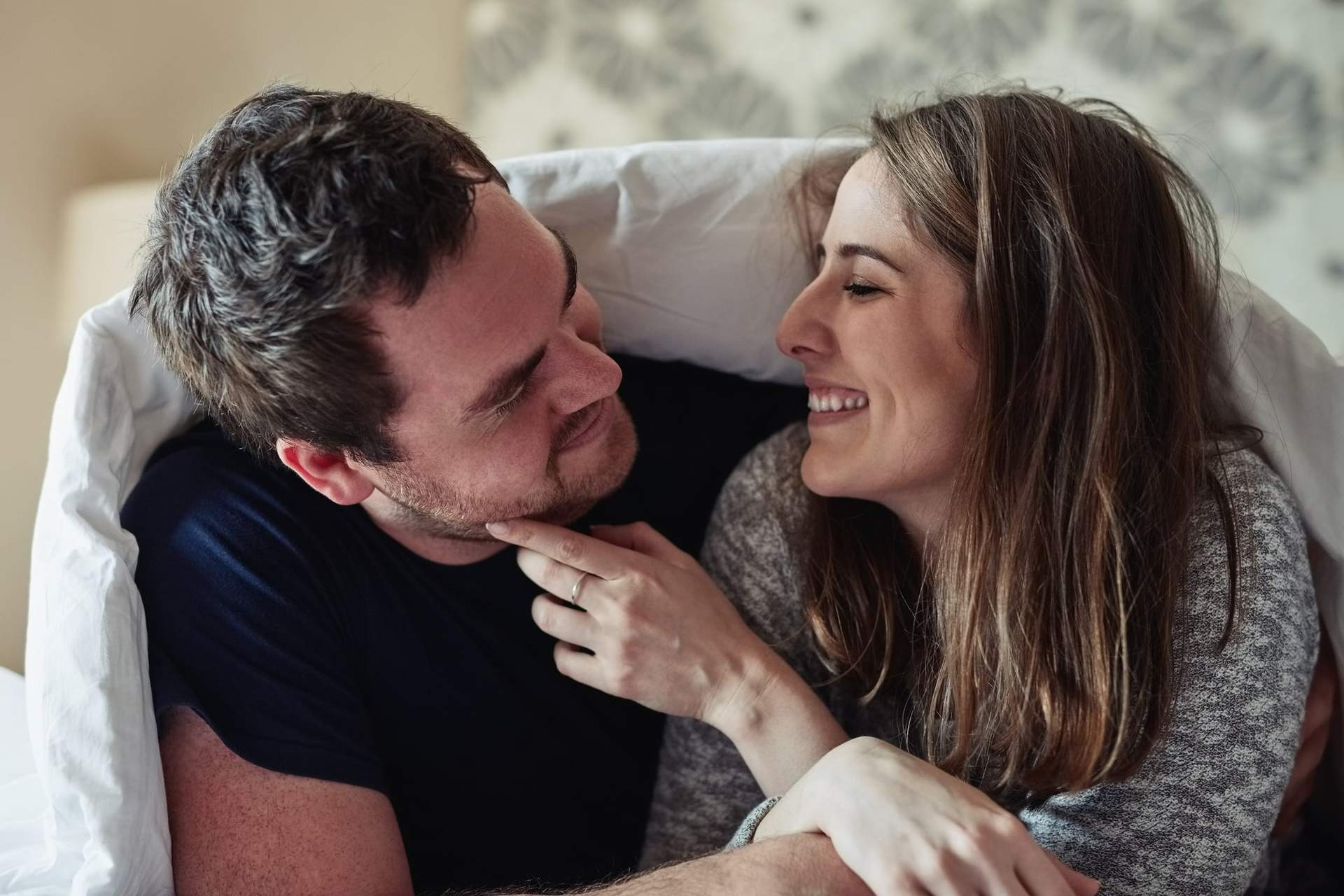
The relationship deepens, you spend more and more time together, and the sense of "us" appears — no longer two separate people, but a pair.
3. The reality stage
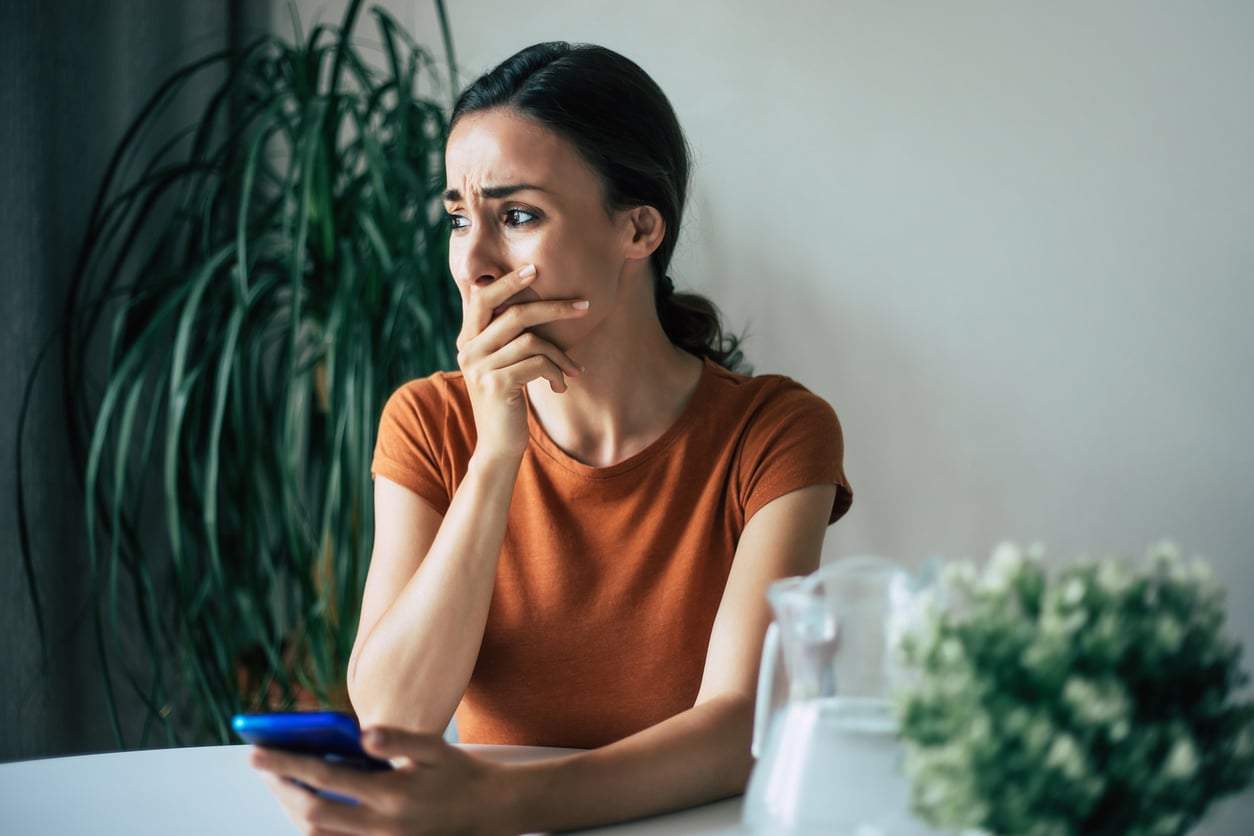
This is when the small annoying habits surface, along with disagreements, and many people realize for the first time that their partner isn't perfect. It's the point where a large share of relationships stall.
If you've ever wondered whether what you feel is the real thing, it helps to know the signs that separate genuine love from fear of being alone.
4. Deep attachment
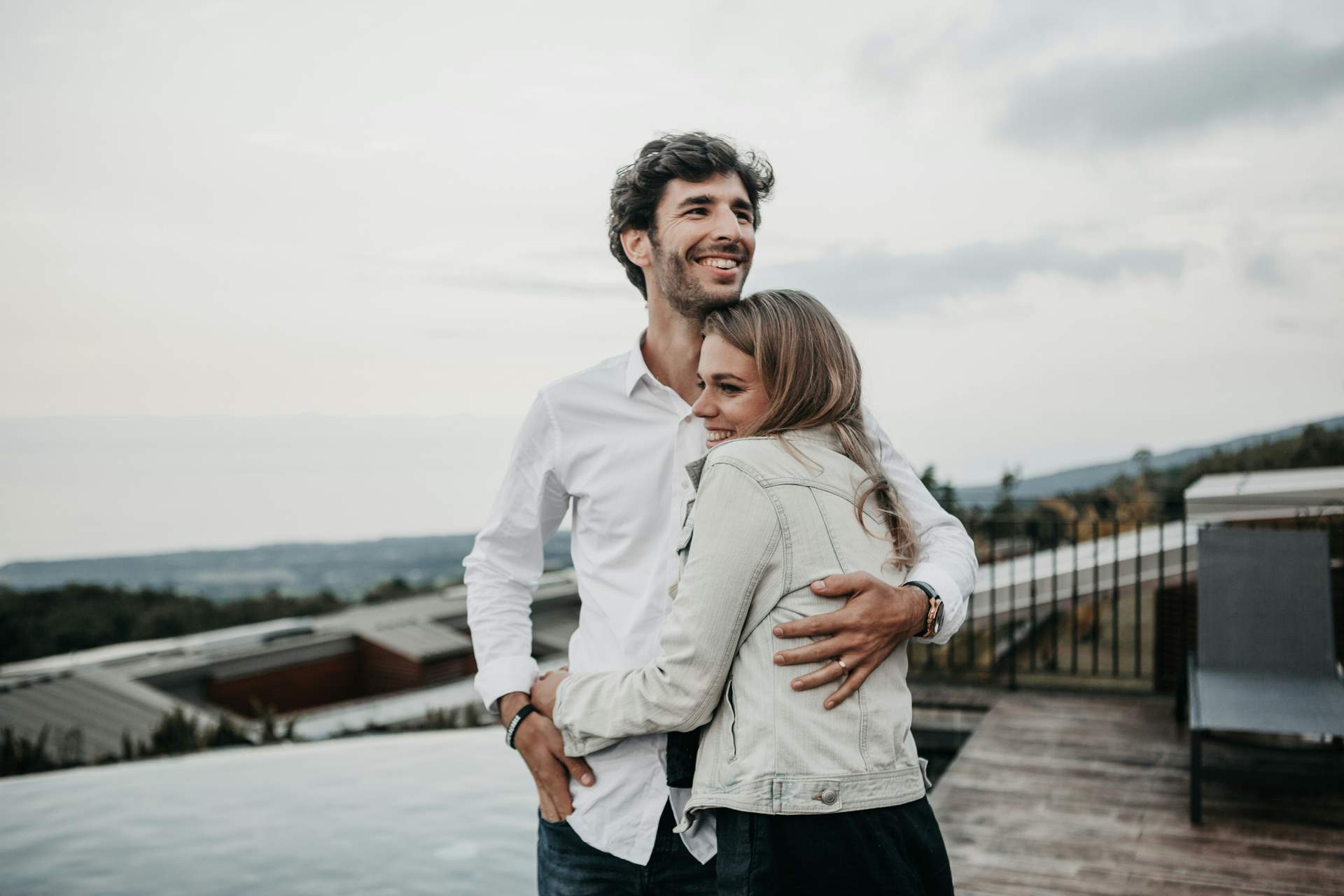
If a couple makes it through the disillusionment stage, something new can form: a calmer, steadier, yet profoundly deep emotional bond — one that no longer runs on infatuation, but on trust and truly knowing each other.
How to recognize the real signs of love
- You instinctively put the other person's wellbeing ahead of your own comfort.
- You're curious about their thoughts, even the small, everyday details that aren't really "topics" at all.
- You feel safe with them — even in the middle of an argument.
- You picture the long term with them, whether consciously or just as a daydream.
- Their absence leaves you missing them, not simply bored.
It's important to tell the difference between desire, habit, and genuine emotional attachment. Love isn't the same as constant euphoria — it's more about the deep sense of security that another person's presence brings.
The quiet truths about love no one talks about
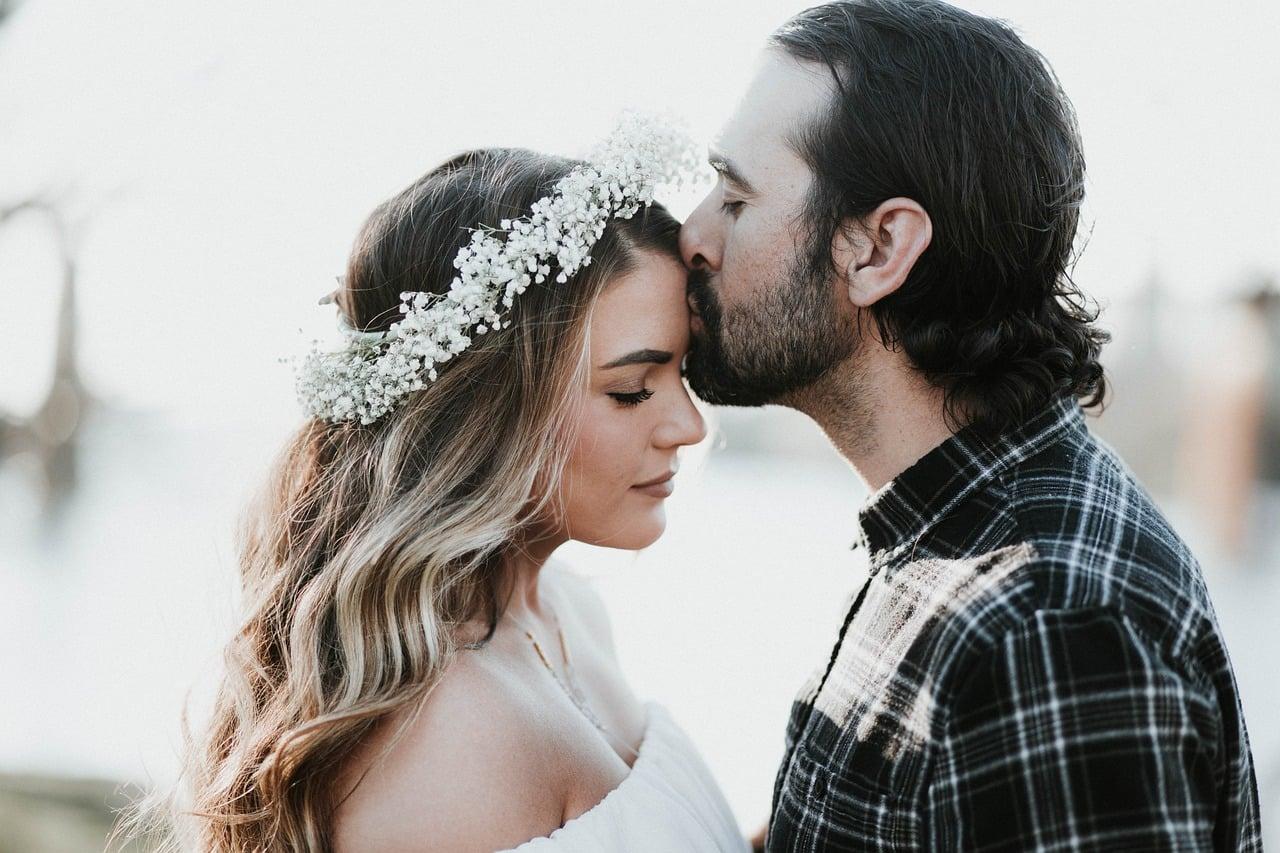
In lasting relationships, love often takes a quieter form than the one we know from the movies. It doesn't necessarily show up in grand gestures, but in small acts of care, consistent presence, and the willingness to truly listen — even when you're tired or on edge.
Love isn't the moment you see someone as perfect. It's the moment you choose to stay, flaws and all.
According to researchers, the couples who still feel in love years later are the ones who keep showing genuine interest in each other, who never take the other's presence for granted, and who treat each other with respect even during conflict. Love, then, isn't a static state — it's an ongoing connection that requires conscious, deliberate attention.
Why the feeling of love sometimes fades
Everyday routine, stress, work pressure, raising children — all of it can push emotional closeness into the background. That doesn't necessarily mean love is gone. More often, it simply means the two people have stopped making time for each other.
The relationships that consciously return to shared, undistracted moments together have a far better chance of holding on to that deeper emotional bond — even for many years to come.
Is it normal for the intensity of love to fade over time?
Yes. The intense, obsessive early phase isn't meant to last forever. When it fades, love often simply transforms into a calmer, deeper attachment built on trust rather than infatuation.
How do I know if it's real love or just habit?
Real love tends to bring a sense of safety and genuine curiosity about the other person, even in the small everyday moments. If their presence gives you a basic feeling of security and their absence leaves you truly missing them, that points to genuine attachment rather than mere habit.
What are the main stages of a love relationship?
The article outlines four: attraction and infatuation, merging, the reality stage where imperfections surface, and finally a deep, stable attachment for couples who make it through the disillusionment.
Can love come back after it seems to have faded?
Often the feeling hasn't disappeared — the couple has just stopped making time for each other. Consciously returning to shared, undistracted moments can help restore a deeper emotional connection.