That unsettling feeling when you're not sure where things are heading? It might not be a red flag. It might just be where you are in the process. Falling for someone isn't a single moment — it's a journey with distinct stages, and knowing which one you're in can change everything about how you handle it.
Here are the five stages most relationships move through — and the one where the majority quietly fall apart.
Stage 1: The spark
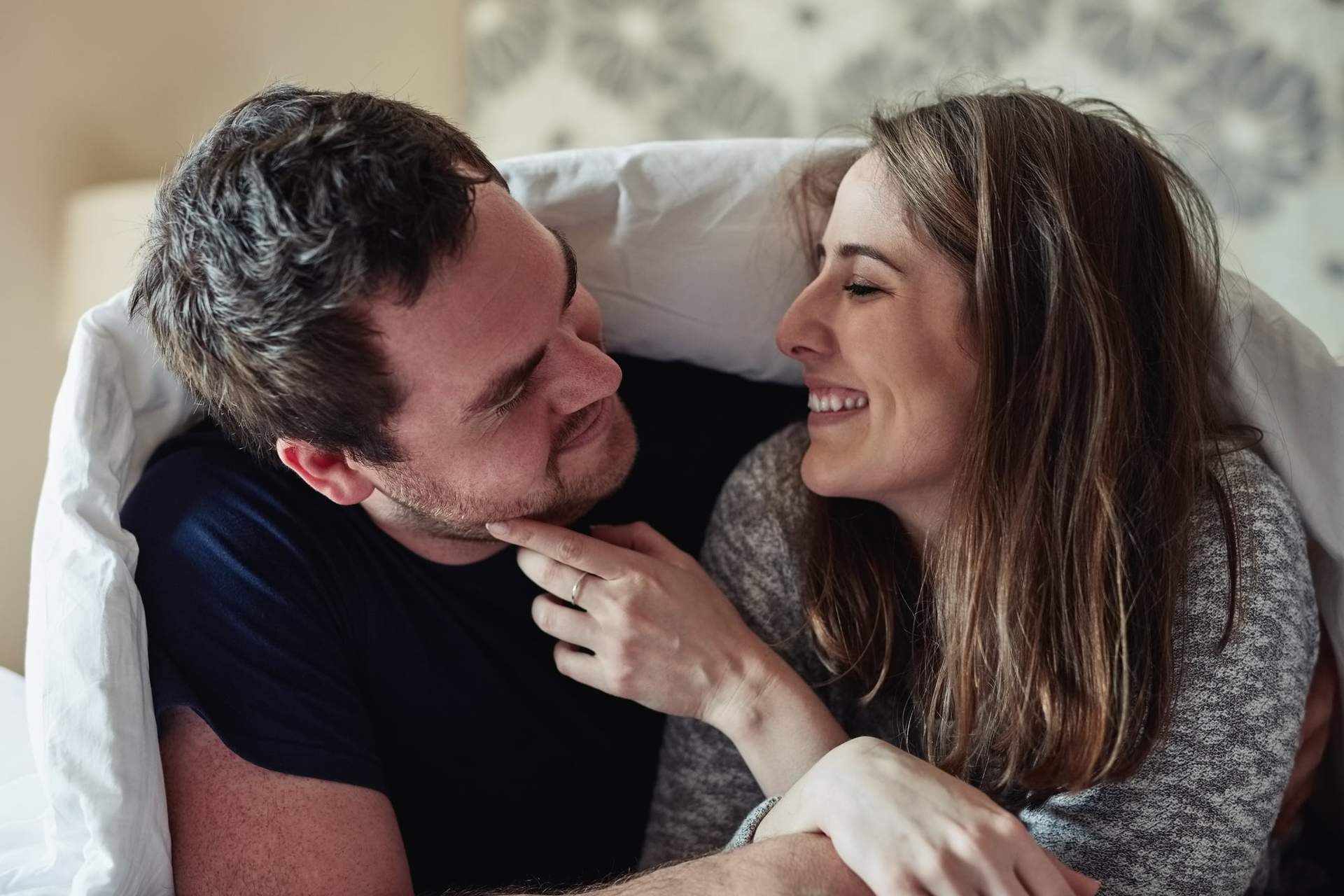
This is everyone's favorite phase, and for good reason. Attraction takes hold, and suddenly this person is everywhere in your thoughts. The conversation flows, you can't stop smiling, and even their annoying habits seem kind of endearing.
Your brain is flooded with dopamine — nature's way of saying "pay attention to this person." Both of you are optimistic, curious, and a little giddy. You brush off anything that might be a warning sign because right now, everything feels possible.
But this phase is about chemistry, not compatibility. It's that intoxicating rose-tinted haze that feels electric — and, unfortunately, doesn't last forever.
Stage 2: The uncertainty
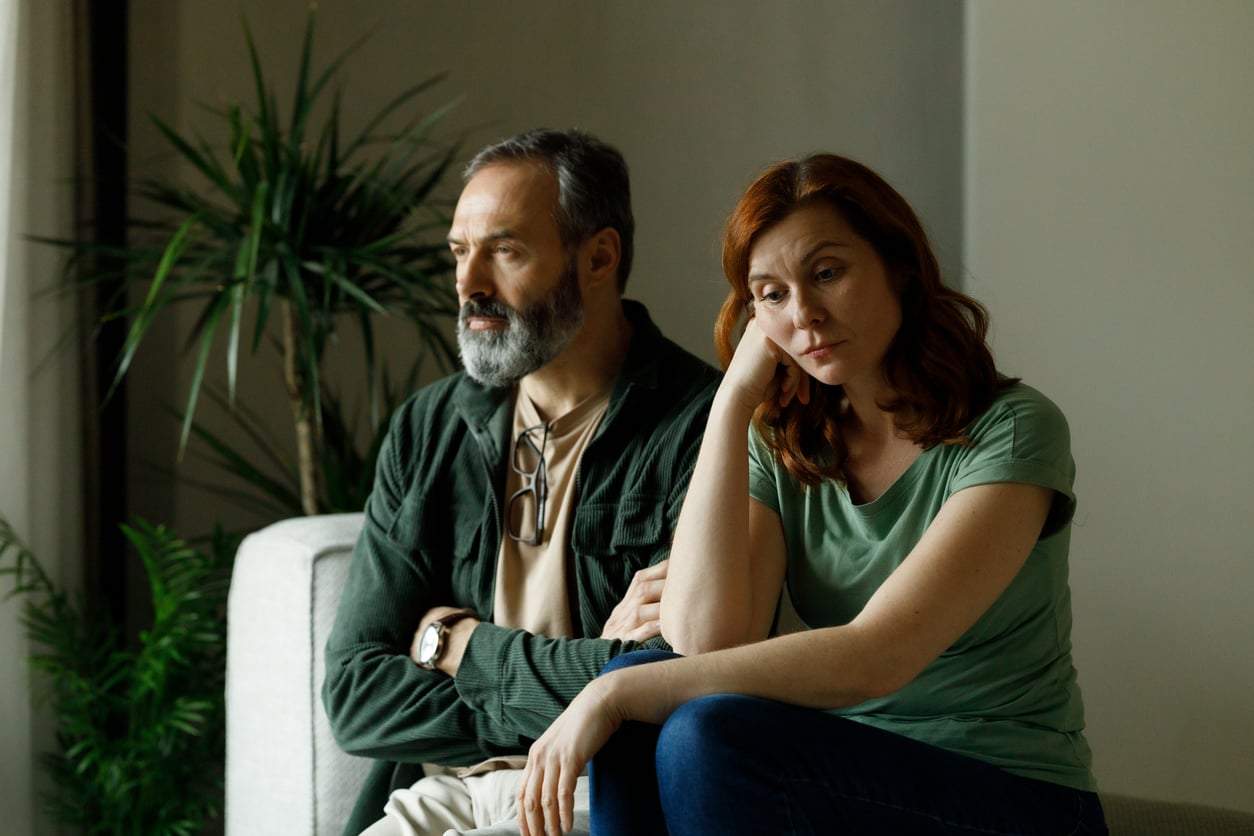
This is where things get complicated — and where most couples get stuck. The initial high starts to fade, and suddenly you're asking: so what actually are we?
Communication gets murkier. You find yourself overanalyzing every message — why did they take so long to reply, why did they word it like that, why no emoji? The mental spiral begins.
The only thing that actually helps here is having enough self-assurance that you're not dependent on the other person to validate how you feel.
You're anxious, you're reading into small things, and you desperately want some kind of certainty. This stage puts your emotional maturity to the test — and sadly, many people never move past it. Either they're too afraid to ask where things stand, or too afraid to give a real answer. The relationship quietly dissolves under the weight of what was never said.
Stage 3: Seeing each other clearly
This is the most important stage of all — and the one where everything is decided.
The fantasy version of the person starts to fade, replaced by the real, full, complicated human being in front of you. You see their habits, their flaws, their triggers. They see yours. Disagreements happen. Maybe the first real argument happens.
And somewhere in the middle of it all, a quiet question surfaces: Can I actually live with this — long term?
This is where lasting love is either built or abandoned. Because real, enduring love doesn't grow from infatuation alone — it grows from how much you accept, and how much you're genuinely willing to invest.
Stage 4: Stability
If you make it here, something has shifted — in the best way. Emotional security deepens, and so does the attachment. You stop performing. You let yourself be fully seen, without needing to impress or manage the impression.
You no longer need a constant stream of excitement to enjoy being together. Trust and mutual respect settle in. The early electricity gives way to something quieter — emotional intimacy that might look like calm from the outside, but feels like safety from the inside.
This isn't boredom. This is what secure love actually feels like.
Stage 5: Commitment
This final stage isn't driven by feeling — it's driven by conscious choice. You choose each other despite the stress, the imperfections, the difficult seasons, and whatever outside pressure life throws at you.
You show up even when it isn't easy. You stop planning just for yourself — you plan for both of you.
Problems get solved together, as a team. The love here isn't dramatic or all-consuming — it's steady and consistent. This is the stage where a real, lasting relationship truly begins.
Which stage are you in right now? Sometimes just naming it is enough to help you move through it.
What is the "uncertainty stage" in a relationship?
It's the phase after the initial excitement fades, when neither person is sure of the relationship's status. It often involves overanalyzing communication and craving reassurance — and it's where many potential relationships quietly fall apart.
Why do most couples get stuck at stage two?
Because stage two requires emotional maturity and the courage to have honest conversations. Many people are too afraid to ask where things stand — or to give a clear answer — so the relationship stalls or dissolves without ever reaching something real.
Is stability in a relationship the same as losing the spark?
No. According to the stages described here, stability means emotional security and deep trust — not boredom. The early electricity is replaced by genuine intimacy, which is a sign of a healthy, mature connection.
Can a relationship skip one of these stages?
The stages don't always follow a strict timeline, but the underlying dynamics — attraction, uncertainty, reality-check, stability, and commitment — tend to appear in most relationships in some form. Rushing through or skipping the reality-check stage in particular often leads to problems later.