I feel an instinctive resistance when I see someone devour massive amounts of food for money and entertainment, especially knowing how much food ends up wasted anyway.
Writing this, I almost hear the "boomer" label, but for nearly a decade now, I’ve seen food, eating, and sustainability through a very different lens. The mukbang phenomenon annoys not only me but many adults and young people alike. Still, it’s worth pausing the frustration to understand this trend better—its story is both fascinating and sad, and like most things, it’s not black and white.
What Are Mukbang Videos Really About?
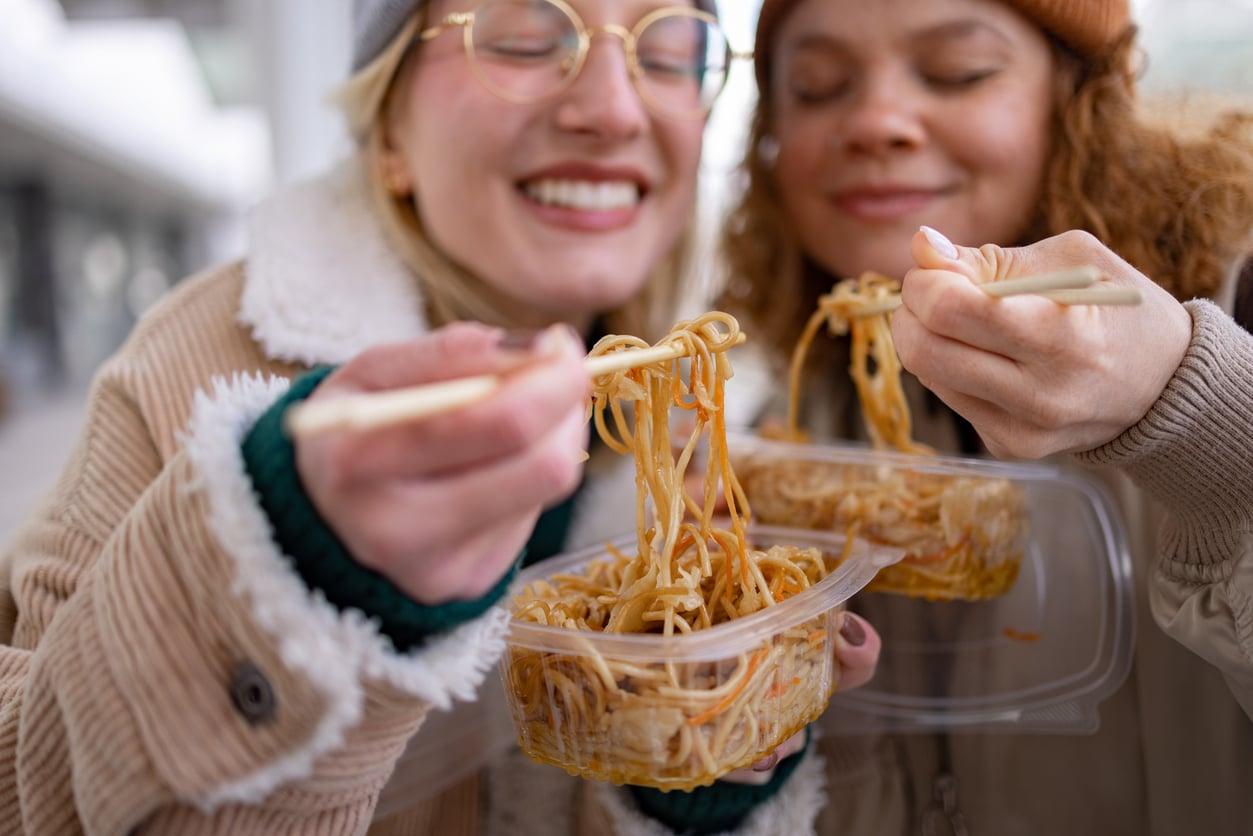
At first glance, mukbang videos seem simple: someone films themselves eating huge portions in one sitting, often fast food, seafood, or visually striking (sometimes even gross) dishes. But it’s not just about the food—it’s about the whole experience: the crunchy sounds, the chewing, the rhythm of eating, and often live interaction where viewers comment, ask questions, and react in real time.
This kind of interactivity makes the experience oddly personal, even if the person is thousands of miles away.
The Sad Backstory
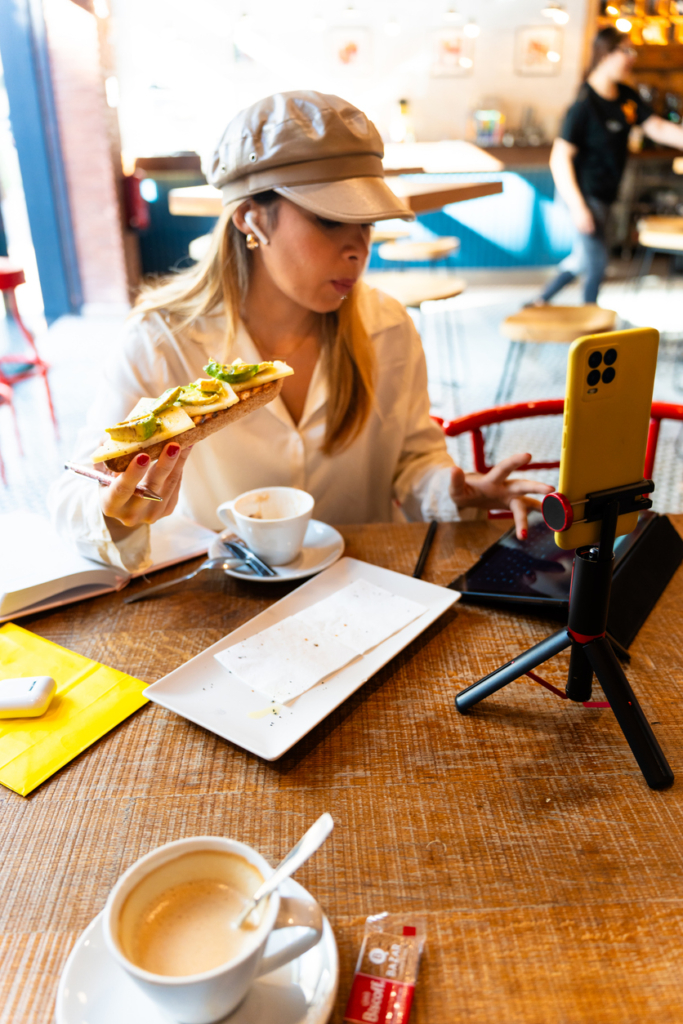
It’s no coincidence that this genre originated in South Korea in the early 2010s. Traditionally, meals were social events there, but more people found themselves living alone, without family or partners. This loneliness led to many eating dinner solo.
If you’ve been to South Korea or seen videos and photos, you know its cities are incredibly modern yet somewhat impersonal and distant. It’s understandable that in such environments, people crave a sense of connection at least in the evening. Mukbang emerged digitally to fill this gap:
Offering a virtual dining companion for those who don’t want to eat their meals alone and in silence.

Annoying or Soothing?
ASMR research is still in its early days, but it clearly contributes to mukbang’s popularity. Many find the sounds of eating genuinely calming. The crunching, slurping, and soft clinks of spoons can relieve stress or help shut down an overwhelmed nervous system after a long day.
There’s also a visual craving satisfaction: if you’re dieting or trying to eat mindfully, watching a mukbang can paradoxically satisfy the urge to "binge on something forbidden" without actually eating it.
While this might be wired into our genes or nervous system, I find this aspect a bit sad. ASMR is often linked to the womb’s “soundproofed” but not silent environment. It’s no accident that calming ASMR videos often feature low-frequency, rhythmic pulses. This suggests that the rise of ASMR sounds may reflect a missing sense of safety and comfort in our lives.
Though we live in a technologically advanced world, the kind of maternal security our nervous system evolved with has drastically faded—yet the need for it remains.
The success of ASMR is really a symptom, a response to functional loneliness. Humans are incredibly resourceful, and this proves it: when our environment doesn’t provide social and emotional safety, we create it artificially.

But That Doesn’t Mean the Genre Isn’t Problematic
ASMR is a distinct and probably the least problematic part of mukbang videos. Creators’ health is seriously at risk every time, as regularly consuming large amounts of fatty, sugary, or salty foods can lead to obesity, metabolic issues, digestive problems, or even stomach rupture.
Viewers face concerns too: many worry these videos normalize uncontrolled eating, trigger guilt, or worsen eating disorders. And that’s before we even consider the financial and environmental impact of food waste, which influencers often showcase to hundreds of thousands or even millions.
What Does Science Say?
Given all this, I was surprised when researchers at the University of Melbourne (Lin, J., Portingale, J., & Krug, I. 2026) reported unexpected findings in a recent study. They showed a 10-minute mukbang video to 327 young women and men, then asked how they felt, their urge to eat, mood, and body image before and after watching.
The results challenged previous assumptions: participants reported weaker, not stronger, urges to eat after watching. Women were less likely to resort to overly restrictive diets, and men felt less compelled to overeat. Negative body image didn’t change, which is partly good—they didn’t feel worse about their bodies. Only positive mood dipped slightly, possibly because a 10-minute video felt boring to young viewers used to fast-paced content.

What could explain this? Maybe mukbang sometimes lifts the shame and anxiety around eating. Seeing someone else eat freely, even voraciously, enjoying food without self-punishment, might ease your own inner tension.
It’s important to note this study looked only at short-term effects without a control group. We don’t know what happens when people watch this content regularly for months or years, or if it affects everyone the same way (probably not). Experts advise caution: mukbang isn’t a cure-all or harmless fun.
The takeaway is that this phenomenon is far more complex than simply labeling it harmful or helpful. It can offer community, stress relief, and temporary comfort, while raising valid concerns about food waste, health, and long-term mental effects. Mukbang might be a mirror reflecting our ambivalent relationship with eating, pleasure, loneliness, and control in today’s digital age.