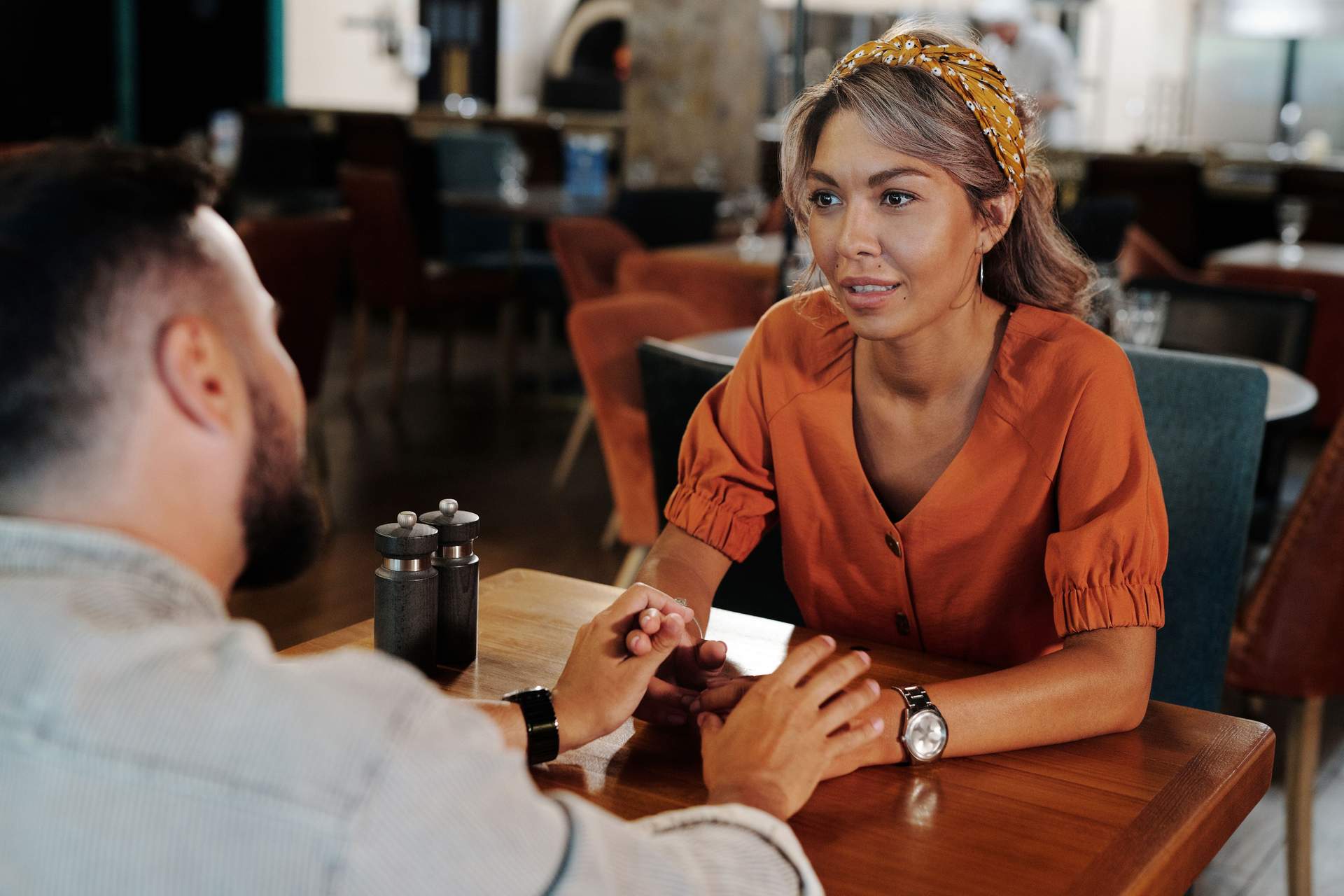
Research shows that family patterns, including those from the female line, can pass down through generations and deeply influence our behaviors and decisions. These inherited patterns often operate below our awareness, yet they shape our lives, especially our romantic choices. So, how does this work, and how does it impact your current love life?
The Power of the Maternal Pattern
The maternal pattern is one of the most influential when it comes to our relationships. If your mother approached her partner with certain behaviors, you might unconsciously adopt the same. This could be how problems are solved, conflicts handled, or emotions expressed. Studies reveal that daughters often unknowingly mimic their mother’s behavior in their own relationships.
Cinderella Syndrome – Waiting to Be Rescued
This pattern shows up in women who consciously seek partners to rescue them from their problems. Fairy tales and movies often feed this idea, where the prince solves all the heroine’s troubles. But in real life, expecting to be saved can lead to disappointment—because healthy relationships aren’t built on rescue missions.
The Strength of Independence
Independence is a wonderful quality, especially today, but it can sometimes go too far. Family patterns like the

Where High Expectations Come From
We often form our relationship expectations based on our parents’ patterns. If a mother painted an idealized picture of love, we tend to seek that—even if it’s unrealistic. A 2018 survey confirmed that people with high expectations often face more disappointment.
Patterns Rooted in Lack of Love
Emotional neglect or lack of love can also affect us deeply, influencing how we behave with partners. If someone didn’t receive enough love as a child, they might compensate with clinginess or emotional distance. Both inherited patterns can cause challenges in relationships.

How Self-Esteem Patterns Affect Us
Our self-esteem is also shaped by family background. If we didn’t get enough positive reinforcement as kids, we’ll crave recognition later, which can fuel negative relationship patterns.
Studies show that people with low self-esteem tend to stay in unhealthy relationships to boost their confidence.
The Legacy of Social Roles
Traditional social roles also influence our choices. If your family’s pattern was that women are responsible for the household and childcare, you might unconsciously follow this, even if it doesn’t fit your own vision.
Recognizing and reflecting on these inherited patterns is key. They shape our relationships and decisions, so it matters what legacy we carry forward. Self-awareness is the secret to making your own choices, free from automatic family pattern influences.