More and more fast food spots nowadays offer options that actually qualify as healthy. Plus, many are welcoming vegans and those with food sensitivities. Still, there’s one classic fast food item that’s been around forever and stands out as a healthier choice than most others.
Fast food places aren’t exactly known for superfoods, though it’s true that healthier snacks are becoming more common. Whether it’s burgers, fried sausages, deep-fried dough, fries, pizza, or kebabs, sometimes we just feel fantastic indulging in rich, comforting foods.
It’s true that fast food isn’t usually nutrient-dense, and eating there regularly isn’t ideal. But there’s one item you can enjoy with a clear conscience—even if you’re always aiming to eat healthily.
By “fast food,” we mean meals ready to eat right away. Besides the classics, this includes burritos, sandwiches, chicken dishes, sugary treats like pastries or doughnuts, and hot dogs. Many of these are drenched in fat, made with refined flour, or coated in thick batter. They rarely provide fiber, vitamins, or minerals.
The Healthiest Fast Food
Falafel is different. These small, round balls from the Middle East are a much better pick than classic pizza or burgers. It’s fair to say “healthy” is relative here since most fast food falafel is fried in oil. Still, compared to typical fast food, falafel is far less harmful and packs way more nutrients than a serving of fries.
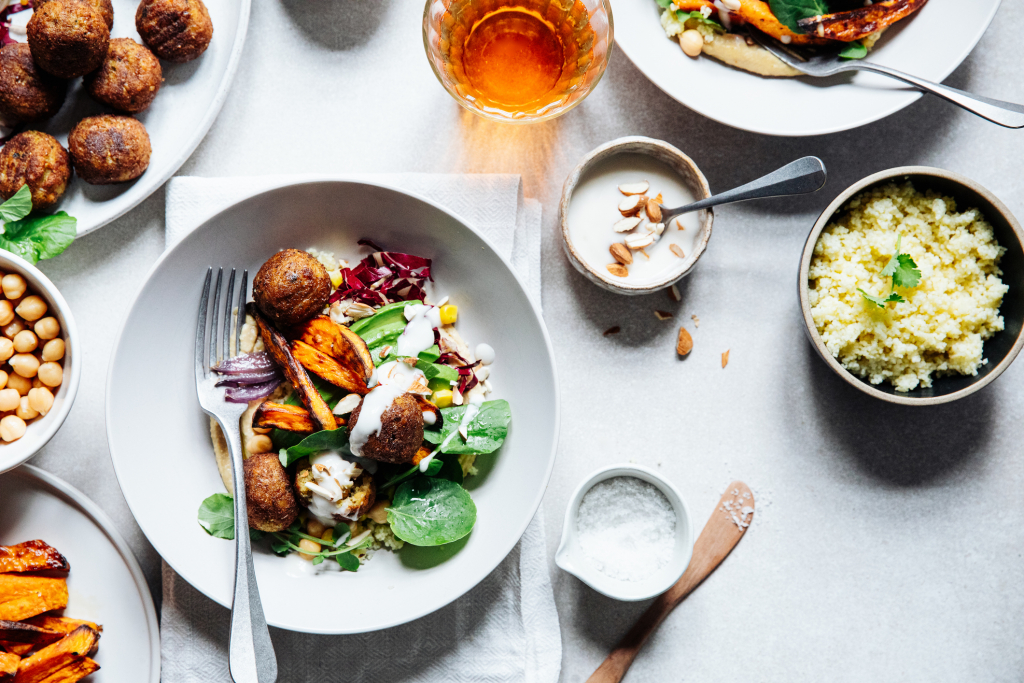
A 100-gram (3.5 oz) serving of fries contains 312 calories. The same amount of falafel balls has 333 calories (each falafel ball weighs about 20 grams), but falafel is still much healthier because it’s loaded with nutrients. That’s mainly thanks to chickpeas, the main ingredient, which is packed with goodness. A typical 165-gram (about 6 oz) serving of falafel covers 70% of your daily folate needs, 65% of copper, and 50% of fiber.
Falafel also beats classic burgers or pizza by providing iron and zinc. Its low glycemic index means people with diabetes can enjoy it in moderation. The spices used—like cumin and curry—help boost digestion.
Plant compounds called saponins in falafel help lower blood fats and protect heart and circulation health. The only downside? It’s usually fried in oil. But honestly, that’s about it. Pair it with a big salad, and you can easily balance out even that minor drawback.
What if you’re craving fries, burgers, or pizza but want to skip the greasy, oily versions? You can make all these classics at home using healthier ingredients. The trick is choosing better basics and baking or lightly frying your patties and fries instead of deep-frying them in lots of oil like in fast food joints.