Many past and recent studies agree: eating five servings of fruits and veggies daily can have a big positive impact on your long-term health. But experts also say that eating a variety of plants might be just as important.
Why Aim to Eat 30 Different Plants Each Week?
Sometimes called the "30 plants challenge," the idea of eating 30 different plants weekly is more than a trend or social media challenge—it’s backed by real science. Eating this variety may lower your risk of cancer and help you stay healthy as you age.
Eating a diverse range of plant foods also supports your gut microbiome—the community of bacteria and other microbes living in your digestive system. Plants provide prebiotics, which fuel the “good” bacteria in your gut.
Prebiotics in plants include different types of fiber, carbohydrates, and polyphenols—natural compounds that give plants their color and offer antioxidant and anti-inflammatory benefits. A richer, healthier microbiome links to a more resilient and better-functioning gut.
Some researchers believe that the state of your gut microbiome might even play a role in living a longer, healthier life.
Where Does the Number 30 Come From?
In 2018, scientists published findings from the American Gut Project, a collaboration involving researchers and over 10,000 volunteers from the US, UK, and Australia. Participants shared detailed info about their diets and provided stool samples that researchers analyzed to identify gut bacteria.
Those who ate 30 or more different plants weekly had higher levels of certain “good” gut bacteria compared to those who ate only 10. Their samples also showed more healthy chemicals produced by these bacteria.
What Counts as a Plant?
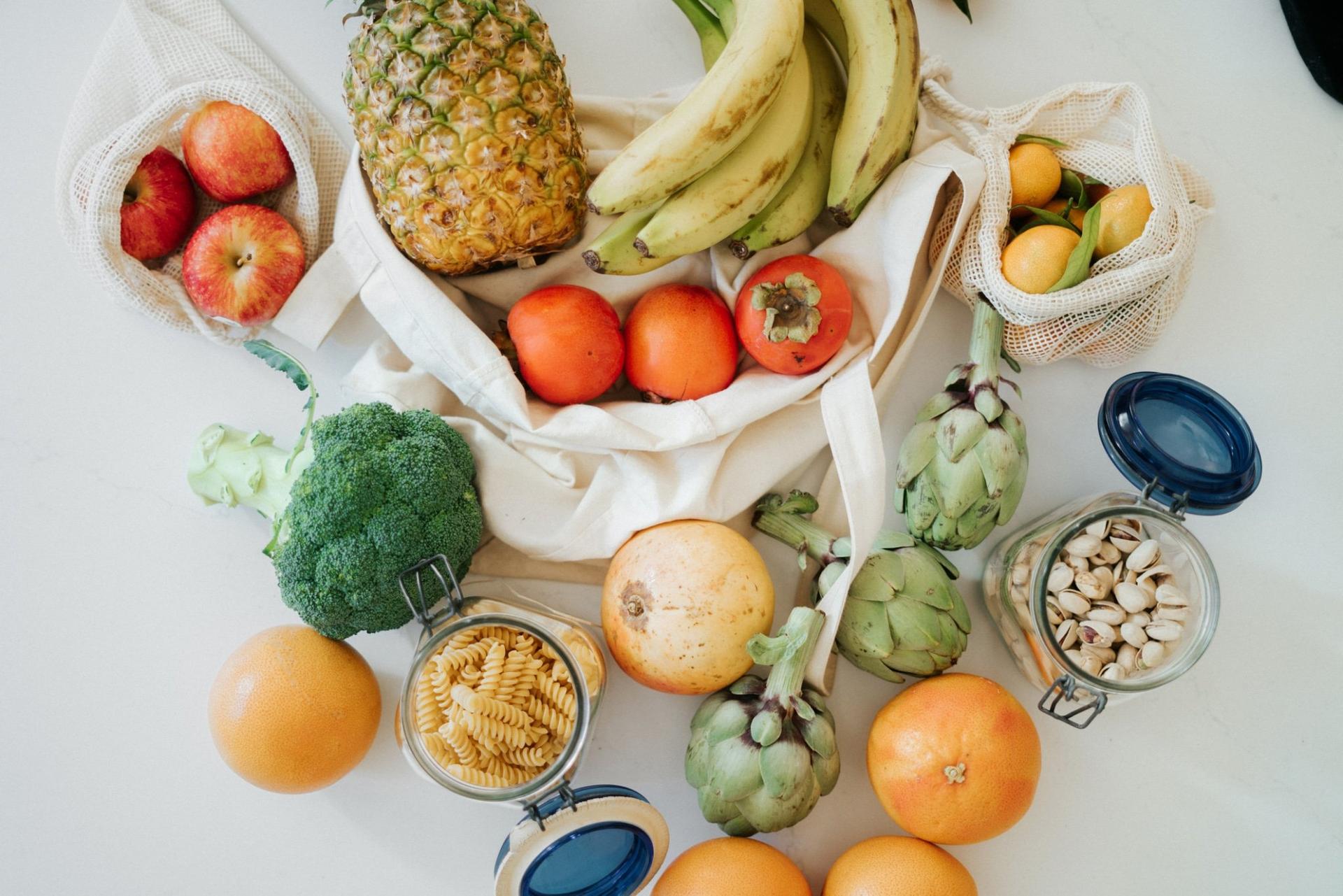
If 30 different plants a week sounds intimidating, here’s good news: boosting the number and variety of plants in your diet is easier than you think. Especially if you broaden your definition of plants beyond just fruits and veggies. This category also includes herbs, spices, nuts, and seeds.
How to Increase the Variety of Plants You Eat
Try these simple tips to enjoy more plants each week and easily hit that magic number 30:
- Stock up smartly: Even with fresh produce on hand, keep canned fruits, beans, and packaged legumes in your pantry.
- Boost your salads: Add crunch with nuts or seeds, sweetness with apple or fennel, flavor with herbs, and substance with beans or diced tofu.
- Color your yogurt: Plain live yogurt and kefir support gut health, and adding nuts, seeds, or fruits like berries takes it to the next level.
- Embrace legumes: Beyond salads and stews, beans make tasty dips. Swap meat for lentils or tofu in recipes. Mix two or three types of beans instead of just one.
- Hide greens in your meals: Leafy greens like spinach or finely shredded cabbage wilt quickly but add them to sides, stews, and scrambles to boost your plant count.
- Master healthy snacking: Swap chips or sweets for mixed nuts, berries, or sliced peppers to get closer to your goal.
- Meatless Mondays: A weekly plant-based day is a great way to prioritize plant foods at least once a week.
Opening image: Orbon Alija/istockphoto.com