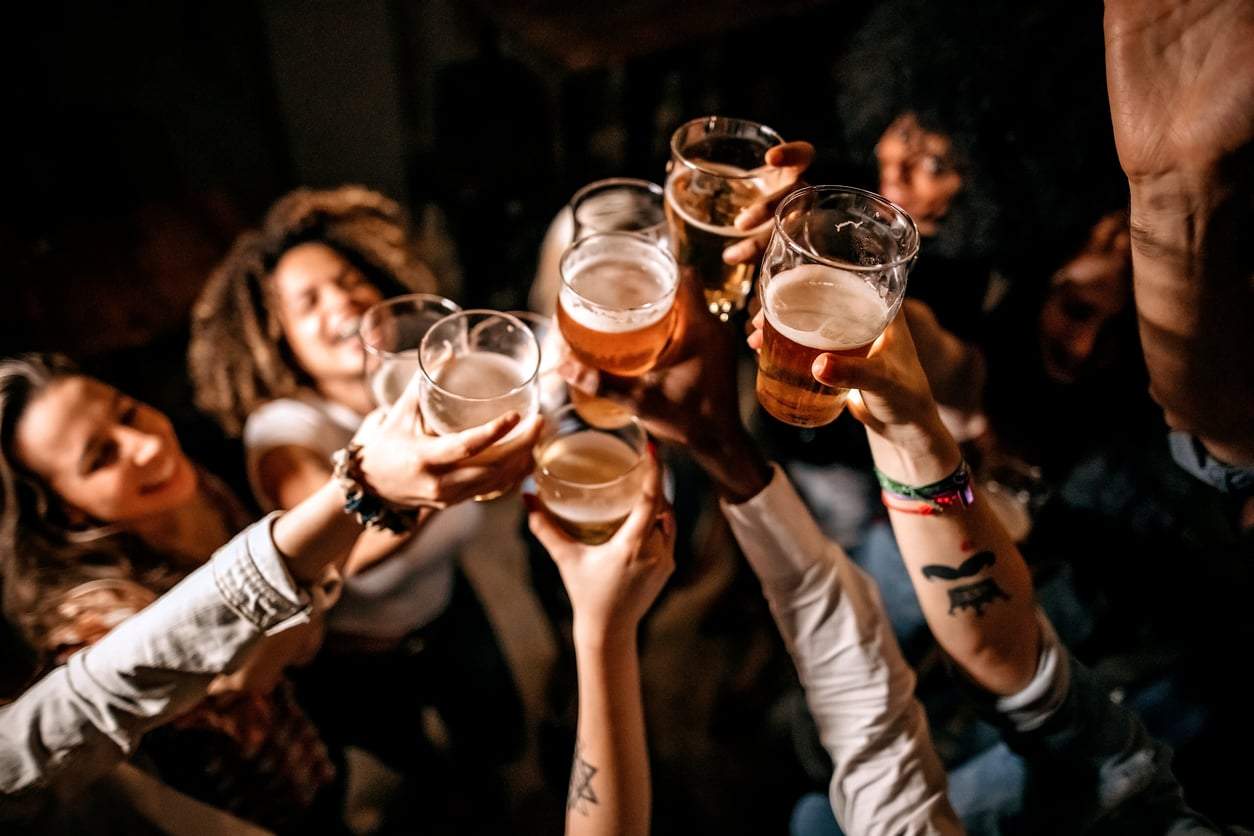
First off, keep in mind that the benefits vary from person to person, depending on how much alcohol you usually drink. Generally, one drink a day for women and two for men is considered moderate, but even that can feel like a lot sometimes.
You’ll notice bigger benefits if you usually drink often than if you’re not much of a drinker.
Heavy drinking has many downsides beyond general health risks—it also raises the chance of developing cancers like head and neck tumors, mouth, esophagus, liver, breast, colon, and rectal cancers. So taking a full month off alcohol isn’t a bad idea if you feel your body needs a break.
Even light drinkers can gain from a month without alcohol: it can boost your sense of control over your health and give you pride in sticking to a goal.
Casual drinkers might not notice big physical changes since they don’t regularly tax their bodies with alcohol. At most, they’ll avoid hangovers and sensitive stomachs after drinking.
But regular drinkers can feel real shifts beyond the psychological: they often become more energetic, well-rested, focused, and sleep better. Some even start losing weight, since alcohol is basically empty calories that can stall progress despite good eating and exercise.

So, what exactly does quitting alcohol for 30 days do for you?
Your liver gets a breather
Heavy drinkers risk liver cirrhosis, but cutting back can reverse damage. You might feel the difference in just a week or two, as your liver can focus on important tasks like breaking down toxins.
Your risk of heart and vascular disease drops
Alcohol is broken down in your liver by enzymes called dehydrogenases. But drinking too much activates other enzymes that produce free radicals, which oxidize bad cholesterol in your blood, leading to plaque buildup and blocked arteries. Drinking moderately or not at all helps prevent this.
It lowers your cancer risk
Excessive drinking is a major risk factor for the cancers mentioned above. Cutting back or quitting can reduce your chances. While genetics play a big role in cancer, lifestyle choices like heavy drinking also matter.
You might lose weight
As mentioned, alcohol is packed with empty calories—extra energy your body doesn’t really benefit from.
It’s easy to eat well and exercise regularly but still struggle to lose weight if you drink a lot. Plus, alcohol can make your body hold onto water, causing bloating.