
The Nutritional Power of Red Lentils
Red lentils wow vegetarians and meat-free eaters alike with their impressive protein content. Just 100 grams packs up to 18 grams of protein, providing the building blocks your muscles and cells need to thrive. But red lentils aren’t just about protein—they’re also rich in fiber, supporting healthy digestion and a balanced gut flora.
Legumes are mineral powerhouses, and red lentils are loaded with iron, magnesium, and potassium.
These minerals help keep your body’s mineral balance in check and support heart health. Vitamins found in red lentils, like the B-complex group, promote a healthy nervous system, while folate is especially important for expecting moms, aiding healthy fetal development.
A Range of Health Benefits
Red lentils play a valuable role in preventing heart and vascular diseases. Their fiber helps lower cholesterol levels, while potassium supports blood pressure regulation. Together, these effects make regular red lentil consumption a heart-healthy choice. Plus, their slow-digesting carbs help keep blood sugar levels steady.
In fact, red lentils are a top pick for anyone aiming to lose weight. The high fiber and protein combo keeps you feeling full longer, cutting down on snack cravings. And their low calorie count means you can enjoy generous portions without worrying about your calorie intake.
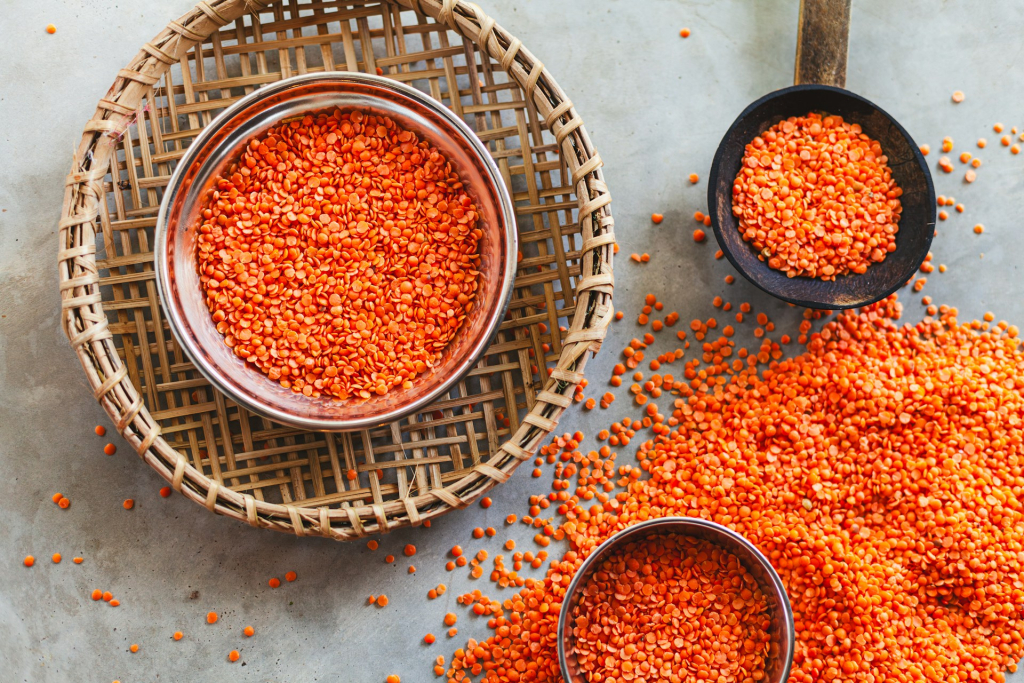
Versatile Uses in the Kitchen
One of red lentils’ biggest perks is their versatility. Whether as soup, stew, salad ingredient, or main dish companion, they shine in every form. They’re especially popular in Indian and Middle Eastern cuisines, where they form the base of flavorful, spiced dishes. Red lentils are easy to customize, quick to cook, and require no soaking—making them a real time-saver.
For a nourishing soup, just add bone broth or vegetable stock, some veggies like carrots and celery, and boost it with red lentils. Then experiment with spices and seasonings to create your perfect flavor profile.

We can’t overlook that red lentils are a sustainable choice. As legumes, they require less water and energy to grow than meats and produce fewer harmful emissions. So, enjoying red lentils regularly benefits not just your health but the planet’s well-being too.
All things considered, red lentils truly earn their place in every health-conscious kitchen. Try them in various recipes to keep your diet exciting while supporting your body and the environment.