First Female Leader in Over 100 Years
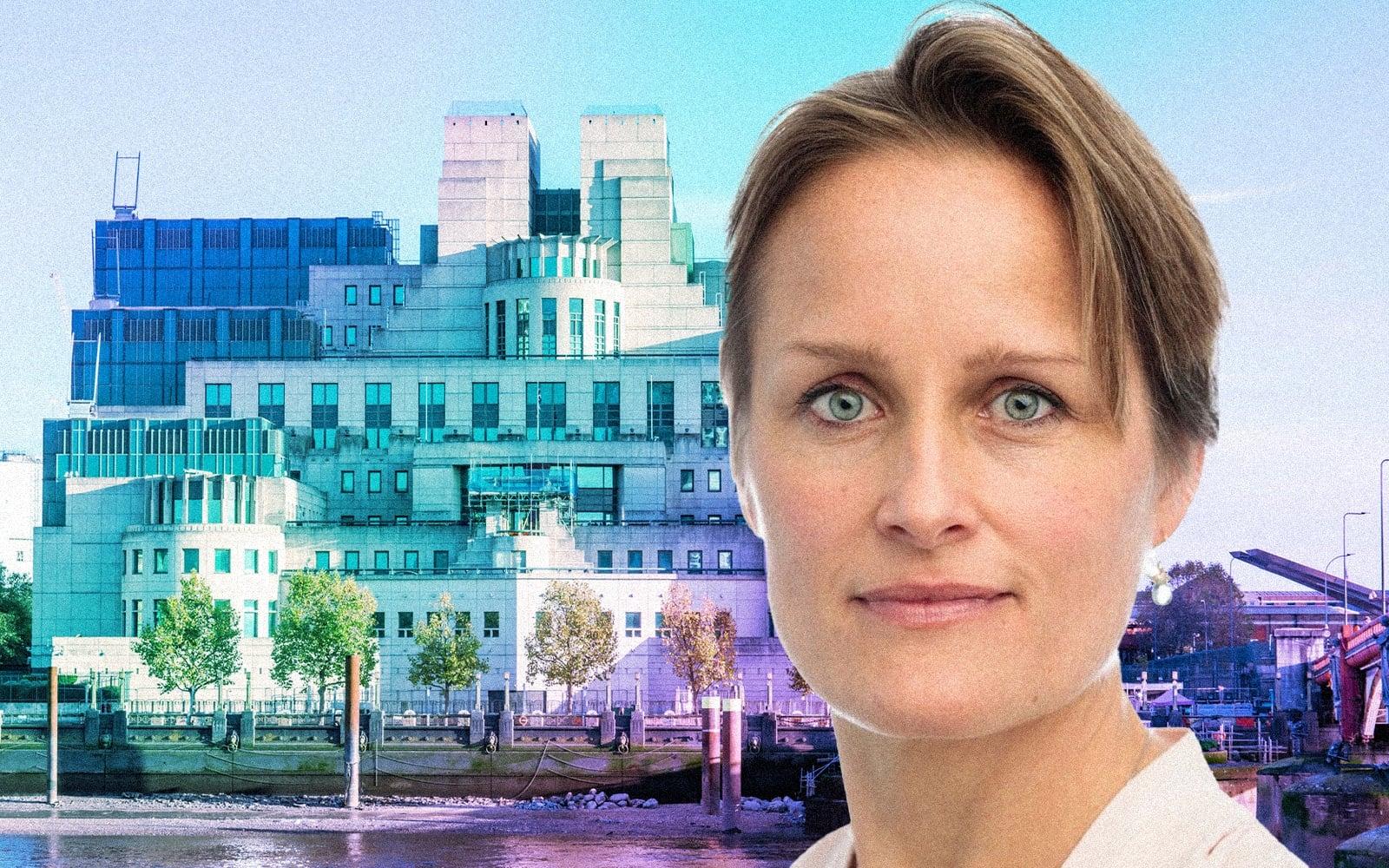
The Guardian recently highlighted Blaise Metreweli’s remarkable story, a true source of motivation. It took more than 100 years—116 to be exact—for MI6, the UK’s legendary foreign intelligence service, to appoint a woman to its top position. Blaise’s name almost speaks for itself, carrying a sense of adventure, modernity, and a touch of cinematic flair (think Modesty Blaise). She’s bold, stylish, and historically significant all at once.
This fall, Metreweli will take over the reins as “C”—the real-life counterpart to the “M” we all know from James Bond films. She currently leads MI6’s technology division, the Q Branch, reportedly inspired by the Bond universe. While Q has always been portrayed by men on screen, in reality, at least two women, including Metreweli, have held this role.
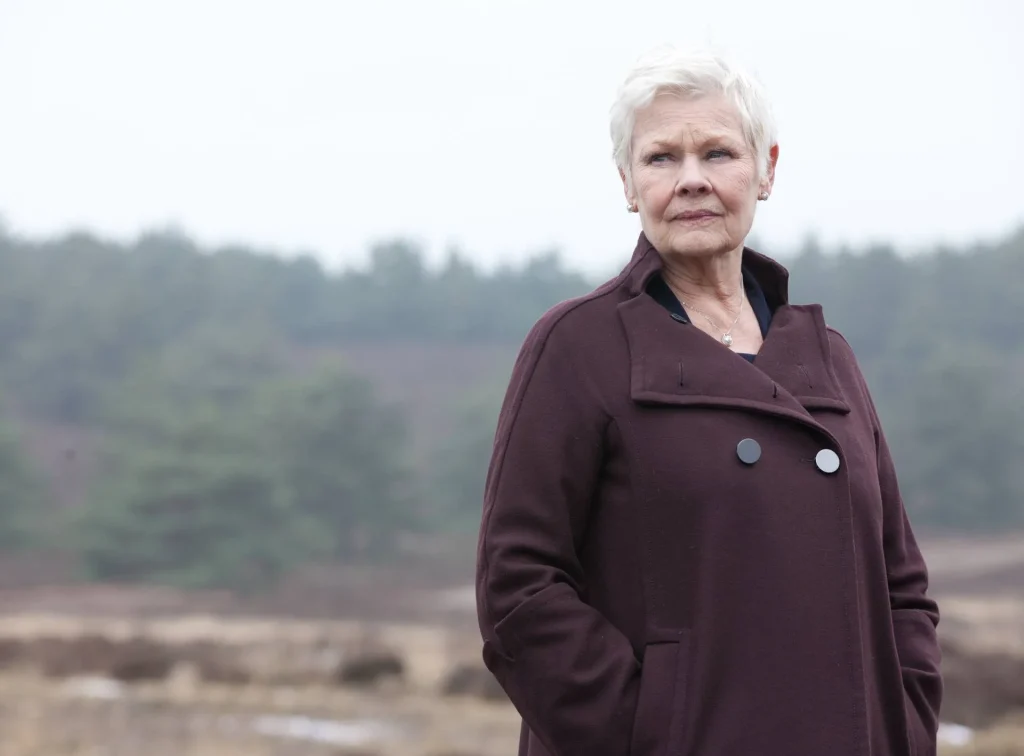
Interestingly, while Judi Dench and more recently Ralph Fiennes have played M on screen, real life followed a very different logic. Men leading wasn’t a rule—it was just habit. And that habit has finally been broken.
Why Did It Take So Long?
The answer is less political or professional and more emotional. For centuries, MI6 operated under an unspoken rule: secret agents wouldn’t take orders from a “substitute mother.”
Films, on the other hand, have long favored female leaders. Since Judi Dench’s iconic portrayal, audiences have accepted that M can be a woman—indeed, that she should be. It’s no coincidence that Kristin Scott Thomas plays a female intelligence chief in Apple TV’s Slow Horses. On screen, the strict yet caring boss works brilliantly as a woman. But reality was different—until this year.
Why Women Haven’t Been Appointed—Until Now
Excluding women from leadership comes with many excuses, depending on the field. In tech, women are often accused of “not understanding the tech” or, if they do, “taking it too seriously.” This “dangerous professionalism” is perfectly satirized in Jesse Armstrong’s Mountainhead: “no meals, no deals, no heels.” Women, health awareness, and real business are seen as distractions to the “boys’ club.”
In politics, the complaint is often that women have a “teacherly” style—as happened with Hillary Clinton or Harriet Harman. It’s as if it’s just bad luck to be born too close to a classroom.
In business, the mindset is that women are “too kind,” “too empathetic,” or “not tough enough.” Even though many studies show female leaders boost company performance, excluding women is more an emotional choice—ironically, the very criticism often leveled at women is that they’re “too emotional.”
How Blaise Metreweli Broke Through
Instead of trying to meet these contradictory expectations, Blaise Metreweli simply did her thing. She didn’t try to “not be a woman” or act like a man. She showed that a competent, brave, intelligent woman can be the best choice to lead an organization defined by secrets and loyalty. That’s the real inspiration: we don’t have to act masculine to lead—we just need to be authentically excellent.