The phone rings after dinner, and you can hear the wobble in your child's voice before they even say a word. The first night away from home can undo the bravest little camper — and it can break a parent's heart just as fast.
Homesickness is one of the hardest parts of that first sleepaway camp. The good news? The right words on the phone can make all the difference. Here are four phrases that gently soothe a homesick child and help them settle in.
Why homesickness hits so hard the first time
Homesickness is a completely natural emotion — and, believe it or not, a sign of growth. That first camp experience is overwhelming precisely because it pulls kids away from everything familiar: their bed, their routine, their people.
According to research published in Child Development, around 20% of children experience intense homesickness during their first camp.
In other words, if your child is struggling, they're in good company. What matters most is how you respond when they reach out.
"I'm so proud of you for being brave enough to try new things!"
This phrase acknowledges your child's courage and reinforces their belief in themselves. Confidence matters enormously when a child is navigating an unfamiliar environment.
When kids feel their parents are proud of them, it boosts their motivation and takes the sharp edge off the homesickness.
"Tell me something exciting you learned today!"
A powerful way to shift attention away from homesickness is to show genuine curiosity about what's happening at camp. When your child focuses on the positives, it becomes far easier to move past the anxiety of being away.
Sharing good moments and small wins also strengthens their emotional connection to camp life itself.
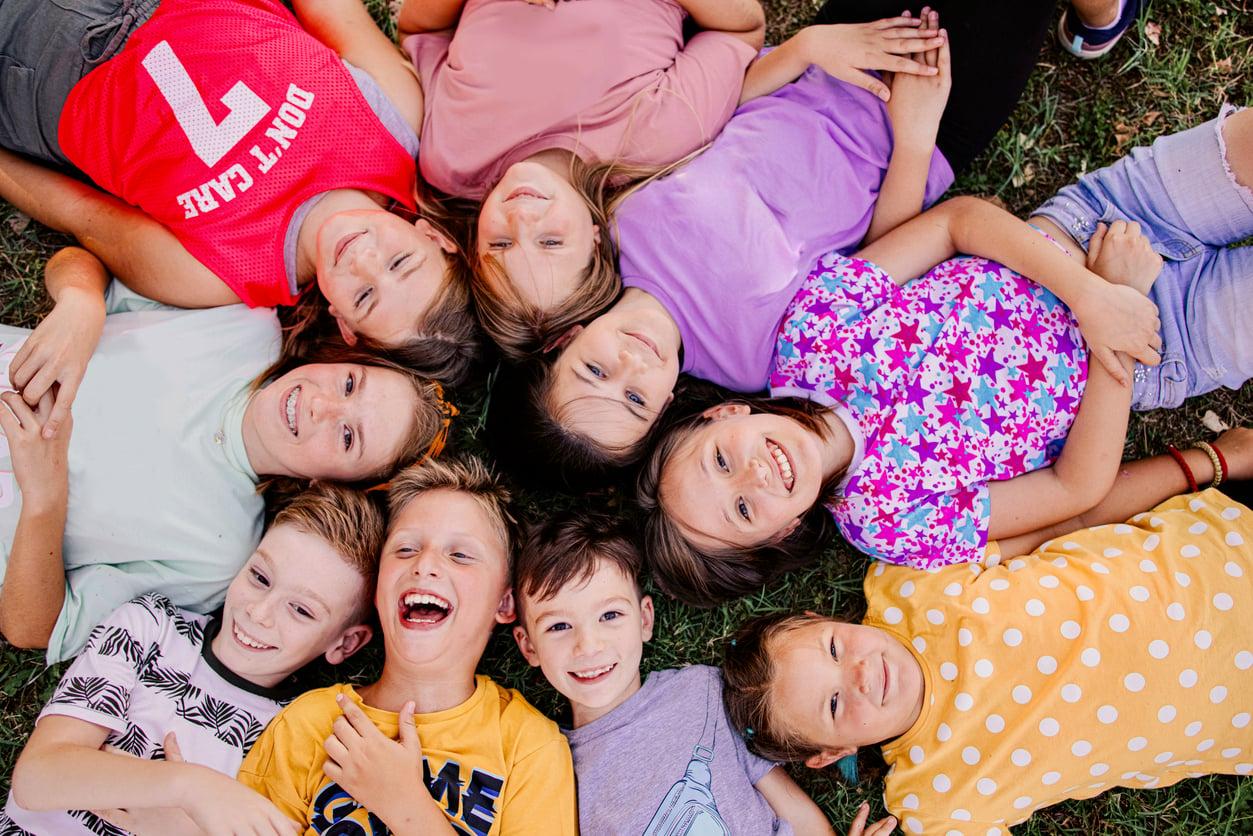
"I can't wait to hear about the new friends you've made!"
Friendships and social connections play a huge role in how a child experiences camp. Building new relationships is also a chance to develop self-esteem and social skills.
This phrase helps your child realize they're not just somewhere safe — they're somewhere they can belong. New friendships can make even an unfamiliar place start to feel like home.
"Guess what — we played something fun at home too, but I can't wait to hear about your games!"
With this one, you're showing your child that even with physical distance between you, you're still emotionally together and sharing experiences.
This kind of two-way connection strengthens the bond, softens the stress of separation, and helps your child fully enjoy the moments they're living right now.
Support, not goodbyes: how to talk to a camper
Those evening phone calls can become important transition points for your child. As these four phrases show, keeping your shared emotional life alive — and passing along steady support — matters most during this stretch.
Handled this way, camp becomes more than a challenge. It turns into a real opportunity for your child to grow more independent.
Remember: every child reacts to camp in their own way, and it may take a little time before they settle into the new routine.
How long does homesickness at camp usually last?
It varies from child to child. Many kids adjust once they settle into the routine and start making friends, but some need a little more time to feel comfortable in the new environment.
Should I let my child come home if they're homesick?
The article encourages supportive, reassuring communication rather than immediate rescue. Phone calls that build confidence and focus on the positives can help a child work through homesickness and grow more independent.
What should I avoid saying on the phone?
Lean into encouragement, curiosity and connection. Phrases that praise their courage, ask about their day and remind them you're emotionally together tend to soothe far better than dwelling on how much you miss them.
Is homesickness a sign my child isn't ready for camp?
Not at all. Homesickness is a natural emotion and even a sign of growth. Research suggests around 20% of children feel it intensely during their first camp, so it's a very common part of the experience.