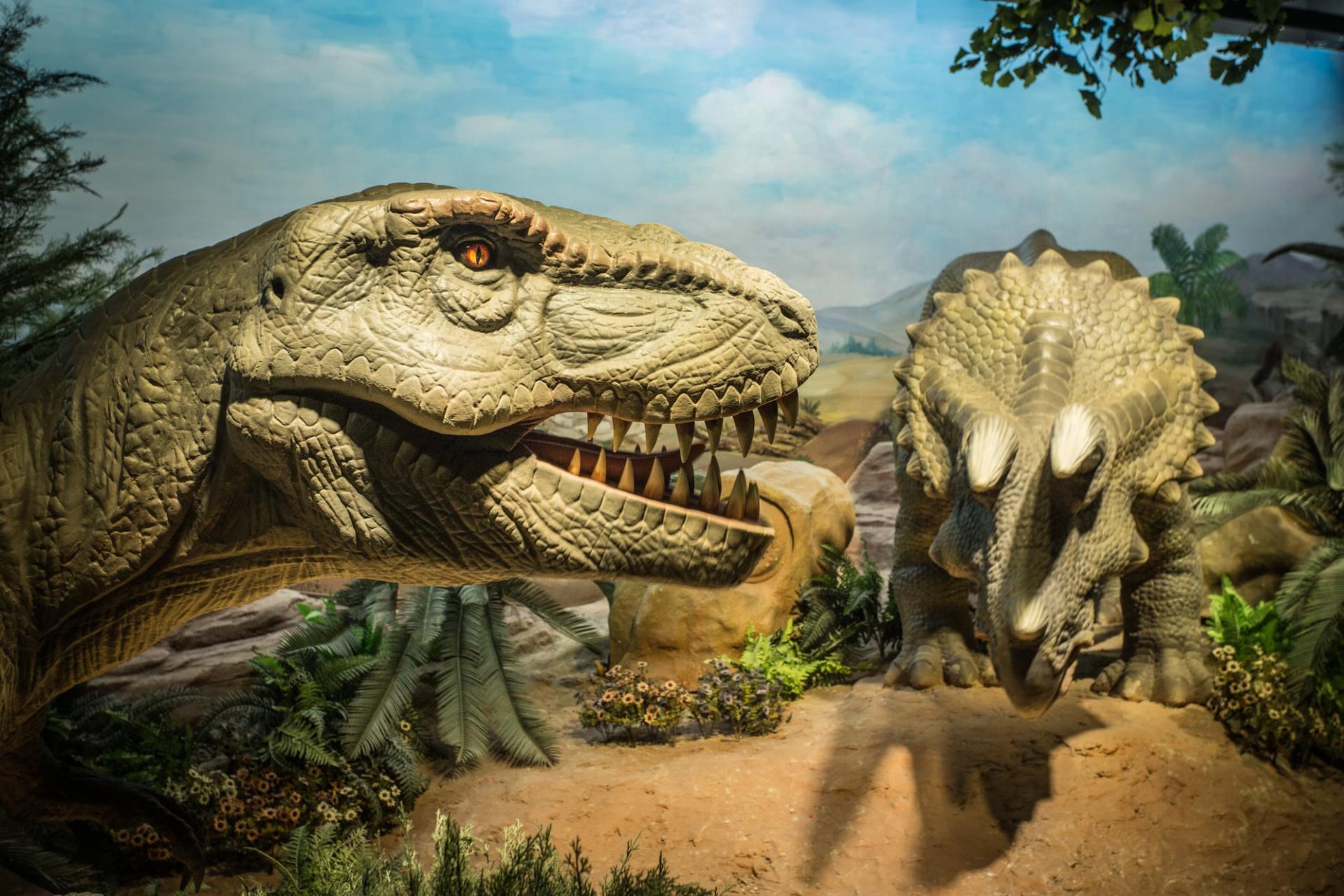
Most of us picture the mysterious giants of the past, dinosaurs, as massive, armored creatures that once ruled the Earth. While many discoveries have shed light on their appearance, lifestyle, and extinction, some mysteries—like their colors and mating habits—still remain.
The Dinosaur Realm: Lifestyle and Environment
Dinosaurs roamed the planet for about 165 million years, showcasing incredible adaptability. Their habitats ranged from dense, swampy forests to dry, desert-like areas. This diversity was also reflected in their types—predatory theropods and plant-eating sauropods developed very different lifestyles and diets.
During the thriving Mesozoic era, environmental factors like climate shifts and sea level changes shaped dinosaur life, playing a key role in their evolution and spread. This adaptability helped them conquer a variety of ecosystems.
Reproduction Challenges: Finding the Right Mate
Reproduction was crucial for dinosaurs’ survival, just as it is for animals today. They adapted uniquely to their environments and mating conditions. Like modern birds, which share many traits with dinosaurs, they likely developed complex courtship rituals.
Some researchers suggest theropods flaunted colorful feathers to attract females, while sauropods stomped the ground with their massive tails to catch a mate’s attention.
One exciting area of dinosaur paleontology is studying fossils to learn about their mating habits. Though direct evidence is rare, some remarkable finds—like fossils of presumed mating pairs—hint that dinosaurs may have been monogamous, helping them care for their offspring over time.
Genital Placement and Mating Methods
Research suggests dinosaur genitalia likely functioned similarly to those of modern reptiles and birds. Since most had long, cumbersome tails, a side-by-side mating position was probably the most practical.
Evolutionary biologists believe dinosaurs used a cloacal reproductive system, where reproductive organs share a single opening.
With so many dinosaur species, mating habits likely varied widely. Some may have developed unique strategies, like balancing maneuvers, to coordinate their large tails and bodies during mating.
After Their Extinction: What They Left Behind
Dinosaurs went extinct at the end of the Cretaceous period, likely due to a combination of factors including a massive asteroid impact and volcanic activity. These events triggered dramatic climate changes that reshaped ecosystems and ended the dinosaur era. Studying their extinction helps us appreciate how resilient and adaptable life was millions of years ago.
The mystery of how these incredible creatures lived and reproduced still fascinates scientists. As new fossils emerge, our understanding of dinosaur mating habits grows, giving us deeper insight into the world of these ancient giants.