The checks that take ninety seconds
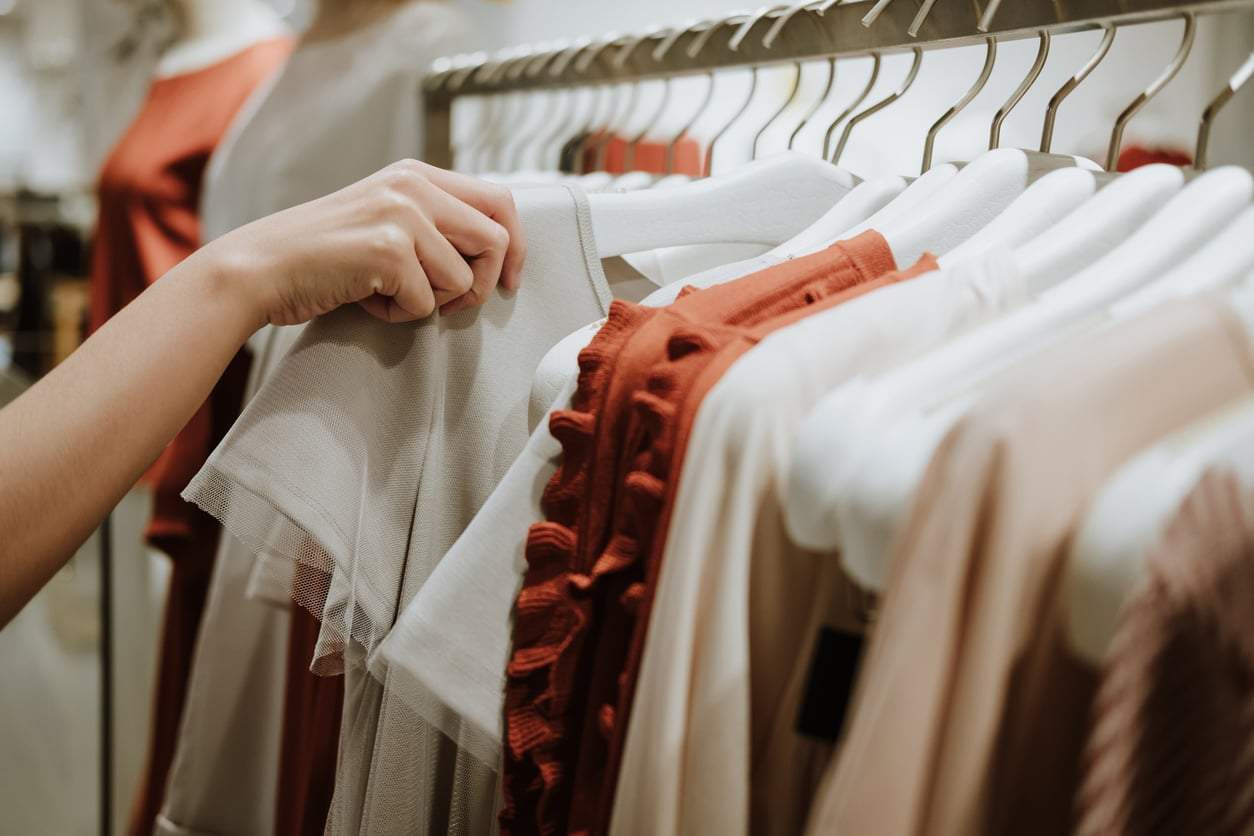
Before you look at the number, look at the garment. Read the composition label: natural fibres and good-quality blends drape and age differently from fabrics that are almost entirely synthetic, and a shirt that rustles under the changing-room lights will rustle in a meeting too. Hold it up to the light — thin, shadowy fabric around the bust and seat tends to be a source of quiet regret.
Then check the finishing, because this is where cost either went or did not. Are the stripes or checks matched across the front placket and at the shoulder seams? Are the buttons sewn on properly, with a few spares included? Is there a spare thread or a wider seam allowance inside, which means the thing can be altered rather than discarded? Do the side seams run straight down your body rather than twisting towards the front? Pattern matching and generous seam allowances cost money, which is exactly why they signal that money was spent on something real.
Cost per wear, used honestly
Cost per wear is the standard advice, and it works brilliantly as long as you are truthful about the second half of the equation. The trick is to predict wears before you buy, not after. Picture the next fortnight of your actual life — the school run, the commute, the one dinner out — and count how many of those days this shirt would plausibly turn up. If the honest answer is two days a month, divide accordingly.
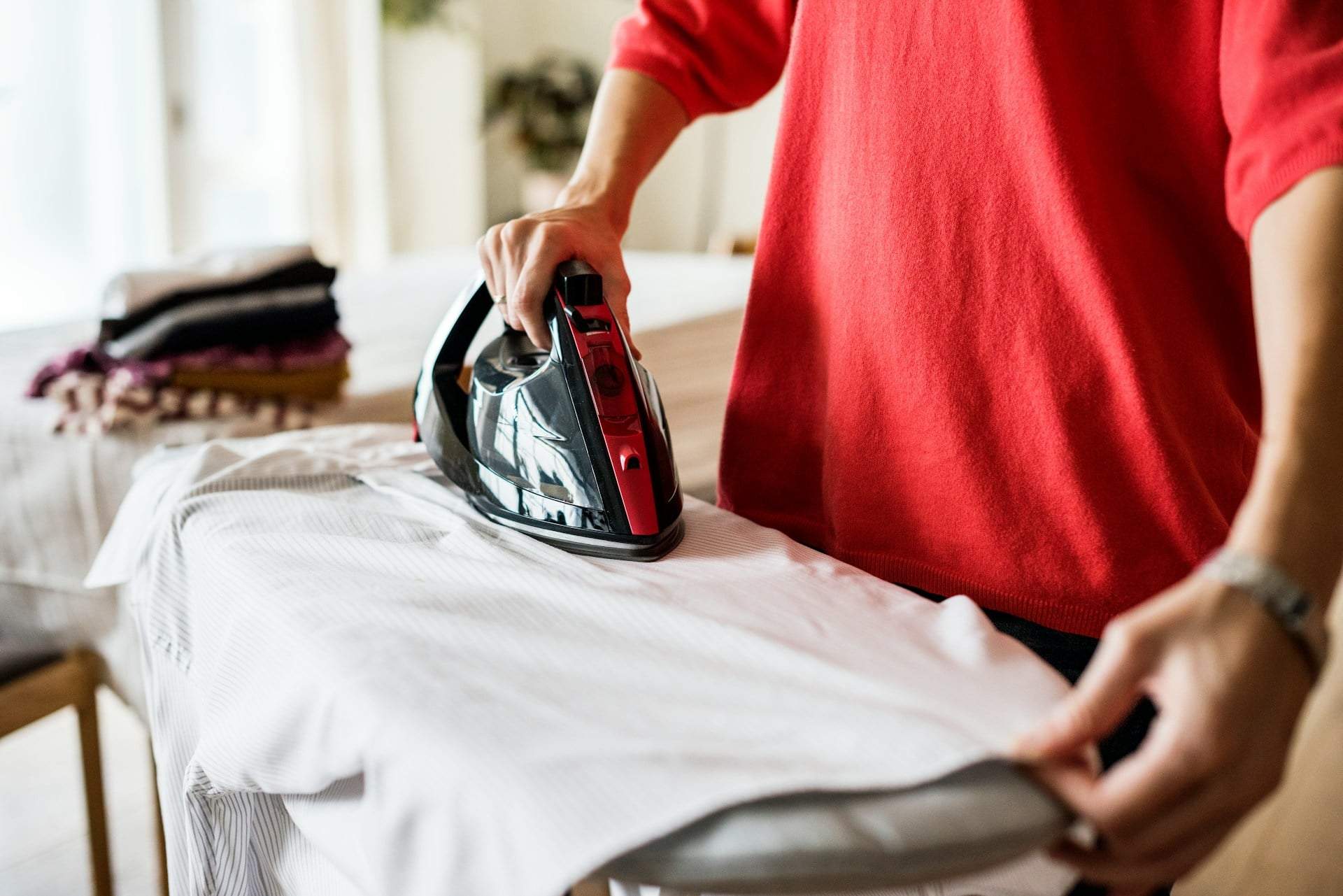
Then apply what I think of as the ironing test. A beautiful shirt that needs pressing every time will be worn roughly as often as you enjoy ironing. A piece that goes straight from the airer to the body, over and over, will quietly outperform something twice its price. Maintenance is part of the cost, and so is dry cleaning: a garment that requires professional care several times a year is more expensive than the tag suggests.