When people talk about personality types, we often think of the Type A personality (competitive, ambitious, success-driven) and the Type B personality (calm, relaxed, flexible). But quietly in the middle, there’s a less spotlighted—and often misunderstood—type: the Type C personality.
If you want to find out if you’re a Type C, take a look at yourself: the signs below can help you recognize if you belong to this group—and we’ll also share what’s good to know if this is your personality type.
What Defines a Type C Personality?
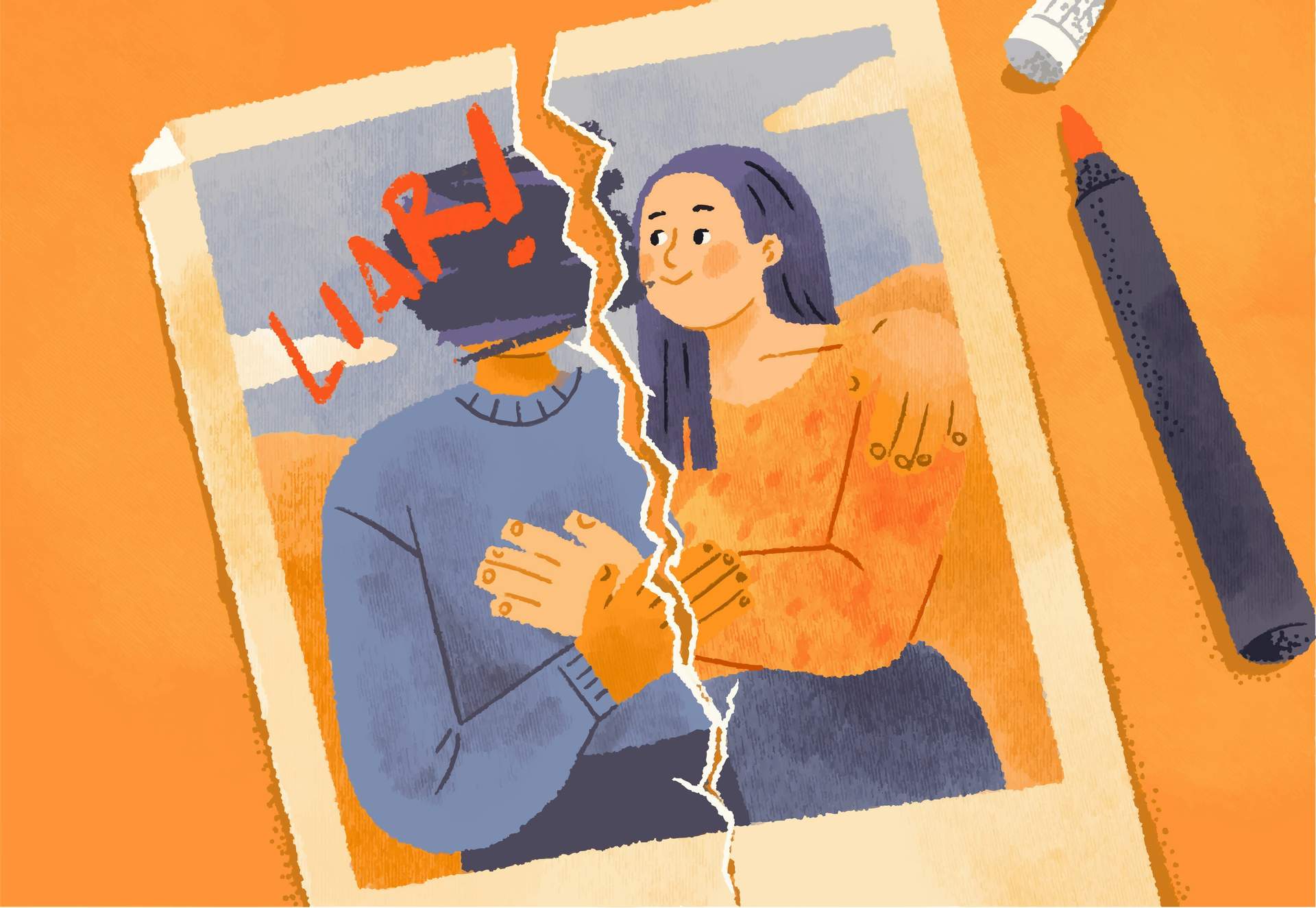
Unlike Type A people who are organized, success-driven, and control-oriented, and Type B people who are calm, flexible, and easygoing, Type C personalities are marked by emotional restraint and inner strength. They often suppress negative feelings like anger, frustration, or sadness, not allowing themselves to express these emotions.

You’ll notice a tendency to avoid conflict and adapt to others: standing up for yourself can be tough, and you often choose peace—even if it means putting your own needs aside.
Your analytical thinking is a real strength—you’re precise and detail-oriented: you appreciate accuracy, logic, and stability; you carefully consider your decisions; and you excel at organizing and planning.
Type C individuals are reliable, prioritize others’ needs, and have a strong sense of responsibility—qualities often relied upon by those around them.
Because of their introverted, reserved nature and quiet demeanor, Type C personalities often keep their feelings hidden and process their thoughts internally through self-talk.
Your Strengths as a Type C Personality
If you’re Type C, your attention to detail and consistency make you shine in tasks that require accuracy—whether it’s planning, administration, research, or organizing.
You’re also skilled at thoughtful decision-making: your rational and analytical mindset helps you avoid rushing and make well-founded choices.
Many people trust you because they know they can count on you. This creates a strong support system for others, while your willingness to compromise and peaceful attitude often help maintain harmony—whether at home or work.

What to Watch Out For
While Type C personalities have many strengths, their emotional restraint and adaptability can also bring challenges: consistently suppressing feelings may lead to long-term internal stress, anxiety, or burnout.
It can be hard for you to stand up for yourself, which over time might lead to self-sacrifice, dissatisfaction, and even health risks. Your precision is a virtue, but excessive self-criticism and perfectionism can sometimes cause indecision.
It’s also crucial not to neglect your true needs. Learn to say no and recognize when you need help or rest, because suppressing emotions and stress doesn’t stay "invisible": research shows repeated suppression can have physical effects.
Your reserved personality isn’t a drawback—you don’t have to be the life of every party—but strengthen your small, stable circle of friends to avoid the risk of loneliness.
Many people share the Type C personality—they quietly, humbly, and reliably go through their days. Yet their feelings and desires often stay hidden, even though those are just as important as anyone else’s.
If you’re part of this group, learn to embrace your strengths—and work on speaking up when you need something.