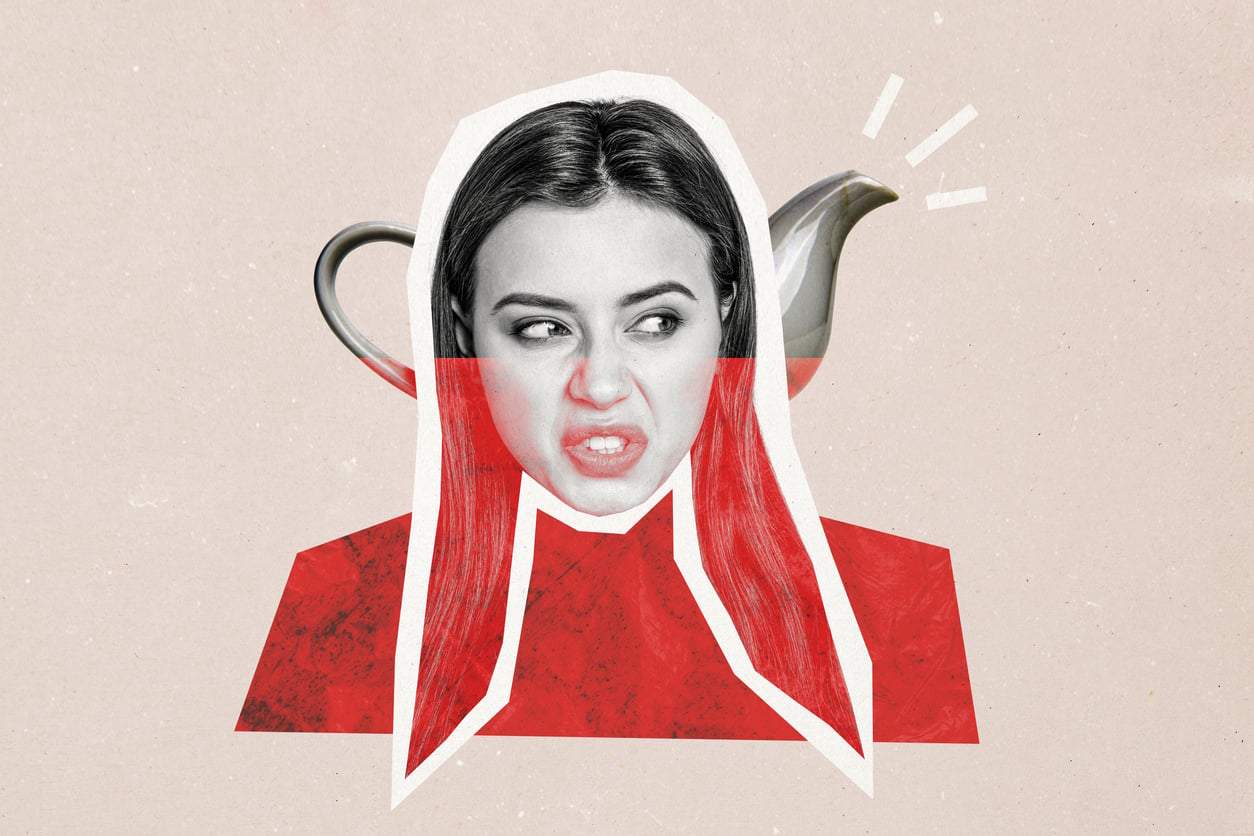
The effects of childhood traumas often do not disappear without a trace but resurface in adulthood as various difficult-to-identify anxiety symptoms. Recognizing and understanding these symptoms is very important to more effectively manage our inner fears and better understand the workings of our own mental world.
1. You Are Constantly on Alert
Overreacting to our environment or being in a constant state of readiness often develops as a result of previously experienced stressful events. From an evolutionary perspective, this phenomenon serves the survival of the human species, but if it becomes permanent, it can cause anxiety. Such states may be exacerbated by past traumas when our nervous system continuously senses danger, even though it is not objectively justified.
Constant vigilance often comes with physical symptoms such as increased heart rate, sweating, trembling, and restlessness.
To treat such a state, it is essential to uncover the trauma and understand the underlying causes so that the affected person can reduce vigilance and restore mental calm.
2. You Have Avoidant Behavior, or You Deflect
Avoidant behavior, when a person consciously tries to stay away from certain situations, places, or people, is also a classic sign of trauma. This behavior often serves to help the individual avoid memories or emotions related to past trauma. Unfortunately, in the long run, this deflection only increases internal tension.
Avoidant behavior often leads to apparent relief but actually hinders problem resolution. Understanding and managing such situations requires introspection and adequate support so that the affected person can overcome the compulsive desire to escape.

3. You Become Easily Angry and Irritable
Past traumas often result in heightened emotional reactions, such as unjustified irritability or sudden outbursts of anger. These intense emotional responses—often triggered without significant provocation—embody the internal tension and stress caused by trauma.
Recognizing the trauma underlying irritability can help understand why this behavior pattern occurs. Controlling emotions, practicing patience, and processing the past can improve the affected person’s social relationships and quality of life.
4. You Have Difficulty Falling Asleep, or You Have Nightmares
Sleep disorders are common companions of psychological trauma: insomnia and nightmares are among the most noticeable signs indicating that past events still influence the present. Reliving traumatic experiences in dreams is a painful reminder of past events.
Treating these symptoms is especially important because sleep quality directly affects physical and mental health. Past traumas often can only be resolved with professional therapeutic support and conscious attention, making the restoration of sleep quality achievable.
5. You Have Self-Esteem Problems
Long-term effects of trauma include decreased self-confidence and intensified self-critical thinking. People often tend to blame themselves for existing problems, especially if the trauma occurred in childhood and is deeply rooted in self-esteem.
Such self-esteem problems can be addressed through developing self-awareness and positive affirmations. Professional support and psychological therapies can help affected individuals find their confidence and stabilize their relationship with themselves.