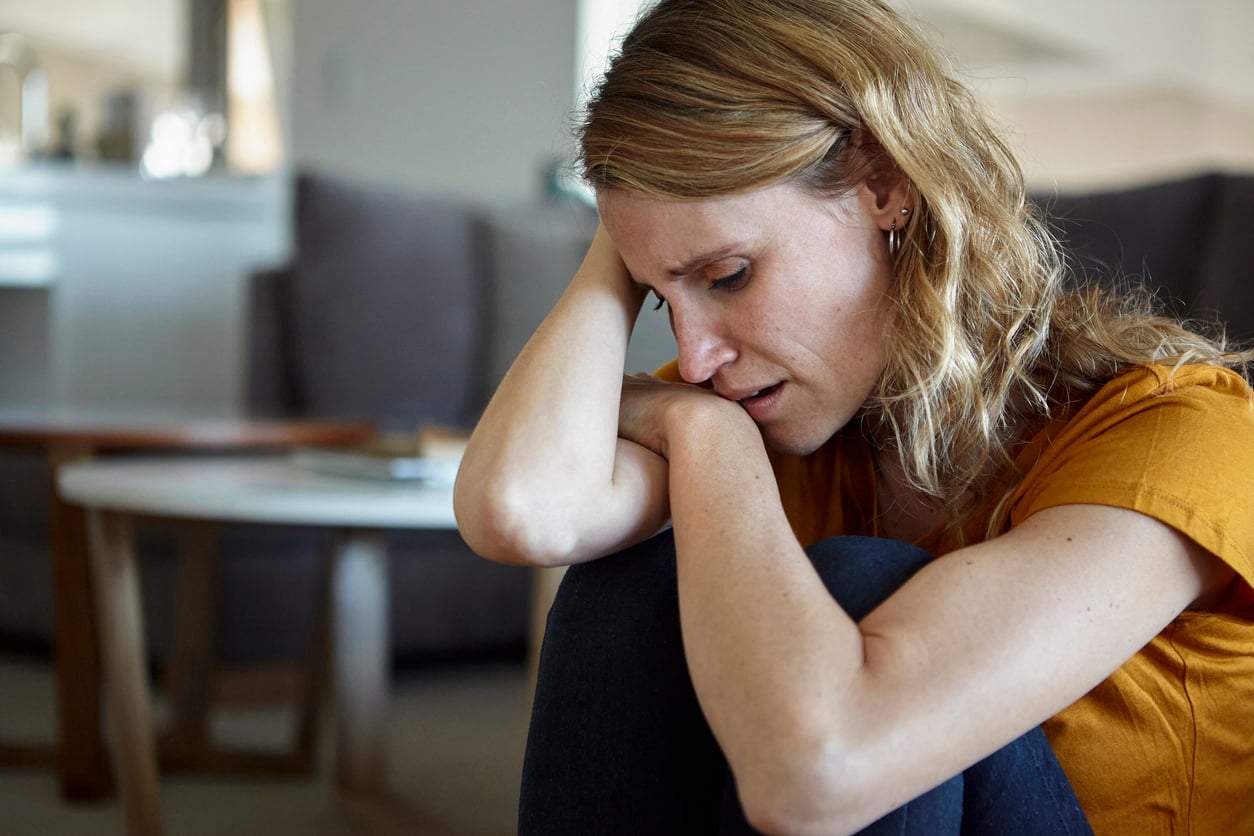
"Heartbreak is one thing, my ego is another" – sings Sabrina Carpenter. A broken heart is just one part; our ego is another. And it’s true: when someone is cheated on, they must cope not only with romantic disappointment but often with a deep feeling of shame.
Being cheated on is one of the most painful experiences, bringing many wounds that need care. One of the deepest, yet often overlooked feelings that arise is shame. In this article, we explore how to move past this feeling—without self-pity or blame—and rebuild your self-worth and relationships.
Don’t Take It Personally—Infidelity Isn’t Your Fault!
When someone is cheated on, they might ask themselves, “What was wrong with me? What did I miss?” According to couples therapist Melissa Schwartzman, "internalizing betrayal"—taking the blame on yourself—is very common but based on a misconception.
Infidelity is your partner’s choice and a sign of their personal struggles—not a measure of your worth.
Give Yourself Time to Grieve
Hurt feelings can cloud your mind: imagined futures collapse, roles and trust fall apart. Schwartzman points out that shame often masks the deeper layers of grief, since the loss is not just a person but a shared future.
Recognizing and feeling this grief is a vital step: it’s okay to cry, scream, and express your pain—as long as you stay kind to yourself through the healing process.
Community Helps You Feel Less Alone
Shame hurts most when it isolates us. Schwartzman advises reaching out to those who’ve been through similar experiences—they truly understand the emotional complexity. Community can normalize your feelings and ease the sense of stigma.
Still, choose carefully: not every well-meaning person offers real support. Without personal experience, even the kindest intentions can unintentionally amplify emotions or cause misunderstandings.
Set Boundaries and Keep Your Distance
Processing infidelity often means creating physical or emotional space—whether through temporary separation or clear boundaries. This isn’t about punishment or resentment; it’s about protecting yourself. It helps you gain perspective and avoid replaying painful moments that block healing.
Lessons Can Emerge from Pain
Discovering infidelity is a painful blow, but sometimes it can be a blessing in disguise—offering clarity, self-awareness, and the chance to make empowered choices. Schwartzman encourages embracing what you’ve learned as a guide to understanding what you want, who you want it with, and what no longer serves you.
Open Your Heart Again—When You’re Ready, Trust Yourself
Rebuilding trust and openness—whether in new relationships or the one that remains—only happens when your self-worth is strong again: when you know your desires, can express your needs, and no longer carry the constant pain of the past. According to Schwartzman, this is the moment you’re ready to love again, including yourself.
Shame often accompanies infidelity, but it’s crucial to remember: what happened is not your fault. Healing means allowing grief, seeking out those who understand, setting safe boundaries, and using your insights to better understand yourself and your relationships. When you’re ready, your relationship with love—whether with yourself or others—can return stronger than ever. Shame isn’t the end; it’s a passage to breathe freely and live fully again.