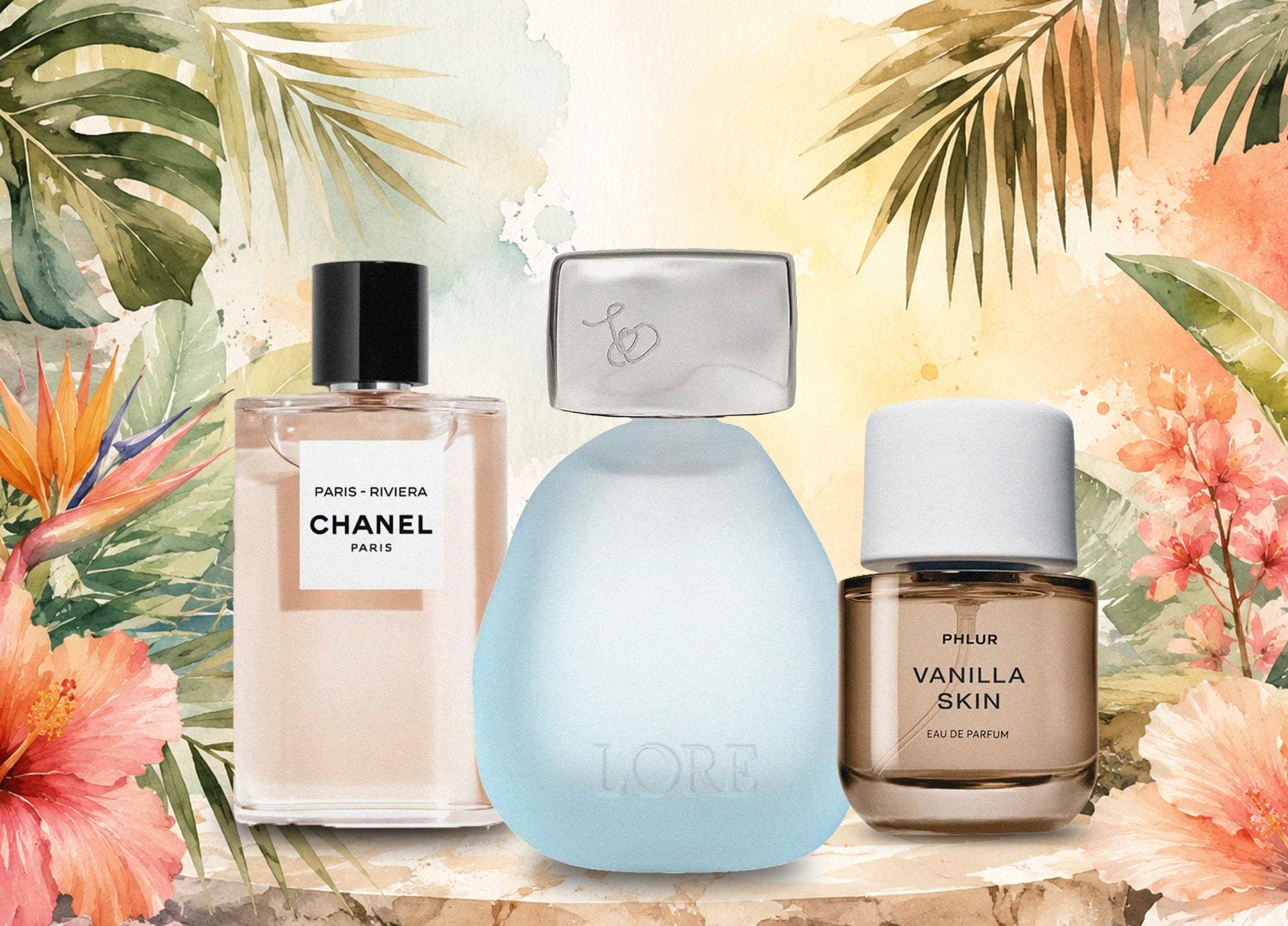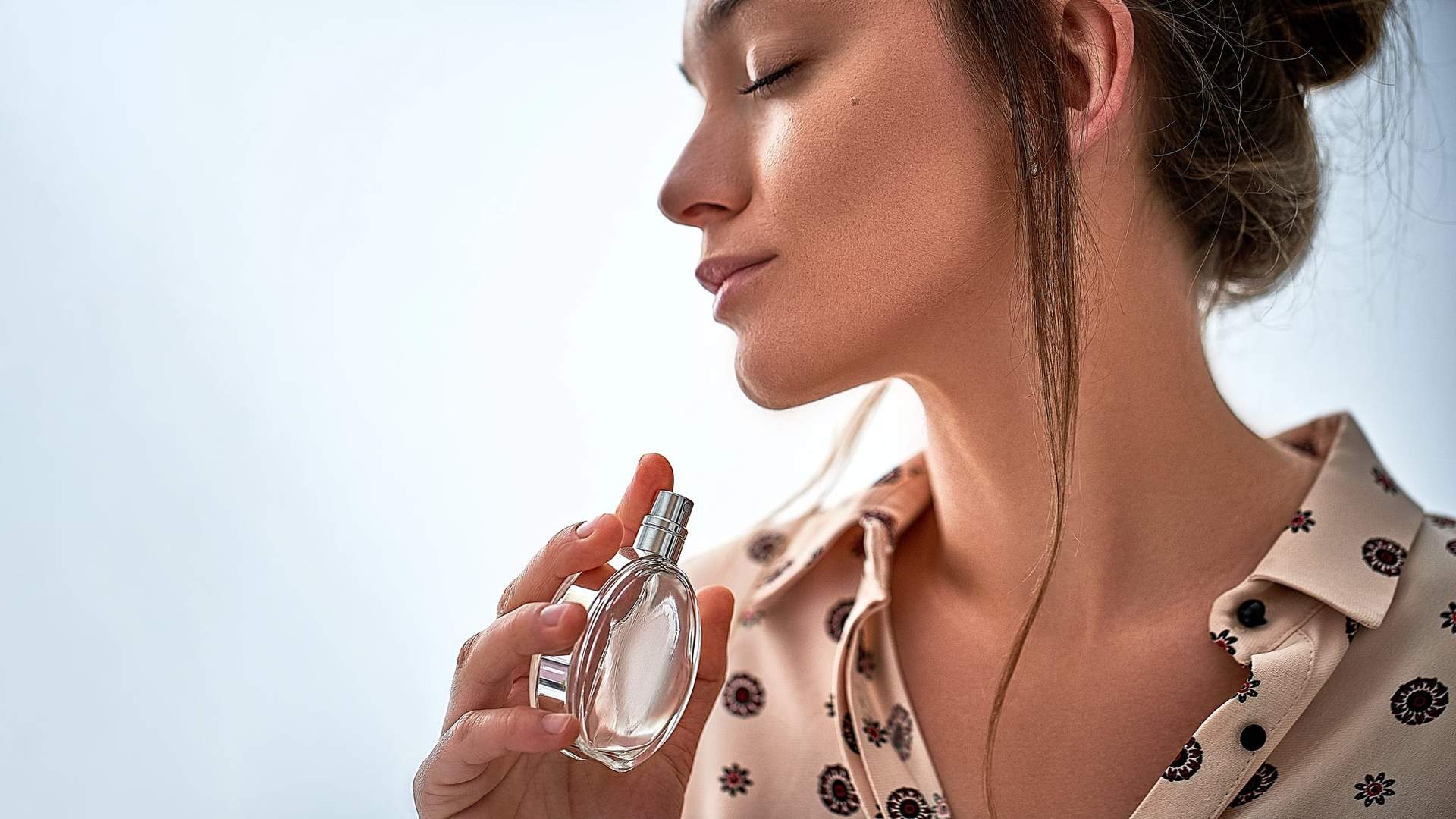
When you find a scent you truly love – and have invested in – you naturally want to make it last. You spray it only on special occasions, use it sparingly, hoping the bottle will stretch as long as possible.
But this plan doesn’t always work as expected. Perfume, like most cosmetics, can expire over time. Certain storage habits can even speed this up by altering the perfume’s chemical makeup.
Yes, Perfume Does Expire
Most brands recommend using an opened perfume within one to three years. This isn’t a strict expiration like with food: just because time’s up doesn’t mean it instantly becomes unusable. Many fragrances keep their enjoyable character for four to five years.
What usually happens is the scent slowly oxidizes. This means air changes the fragrance molecules, which can alter the perfume’s character.
The scent doesn’t necessarily get weaker; it often "shifts": becoming tangier, more metallic, or even developing a slight plastic-like tone.
Oxidation usually affects the top notes first – those fresh, light hints like citrus or aromatic scents. That’s why some perfumes "age" faster than others.
On the other hand, deeper, heavier notes tend to be much more stable. Woody, amber, or leathery fragrances often stay beautiful for years.

Not All Perfumes Age the Same Way
The scent’s longevity depends a lot on its composition. Perfumes with higher alcohol content usually last longer because alcohol acts as a natural preservative, protecting fragrance molecules from oxidation.
Generally, these fragrance types have the highest alcohol content:
- Cologne
- Eau de Toilette
- Perfume
- Perfume concentrate
- Refreshing body sprays
The higher the alcohol content, the more stable the formula can be.
Alcohol-free, oil-based, or fully natural fragrances usually lose intensity faster. Natural fragrance molecules are less stable than lab-created ones.
Citrus notes are also more sensitive to oxidation, so these scents often change sooner.
How to Tell If Your Perfume Has Expired
The most obvious sign is a change in scent. If your perfume suddenly smells sour, odd, or "stale," it could mean its composition has shifted.
Color can also be a clue. Most perfumes have a slight yellow tint – but if the liquid darkens to a brownish shade over time, that often signals oxidation.
Watch out if your perfume starts leaving stains on clothes when it didn’t before. This can also indicate the scent has changed.
How Long Does an Unopened Perfume Last?
If stored in a cool, dark, and dry place, an unopened bottle can keep its scent for years – sometimes even decades.
Be cautious with "vintage" perfumes, though. Their top notes often fade before you get to use them. Once opened, air starts working on the scent, and it will slowly change.
How to Keep Your Perfume’s Scent Longer
Follow these simple tips to enjoy your favorite fragrance longer.
- Keep it away from light: While a row of perfume bottles on a windowsill looks pretty, it’s one of the worst spots. Light breaks down fragrance molecules and speeds up oxidation.
- Avoid heat and humidity: Heat also alters the scent’s chemistry. That’s why bathrooms aren’t ideal storage spots, even if many keep perfumes there.
- Don’t let the bottle sit half-empty too long: More air inside means faster scent changes. If your perfume is almost gone, use it regularly instead of saving the last drops.
- Keep it in the original bottle: Transferring to smaller travel bottles often introduces air, which speeds up oxidation.
- Store in a cool place: A refrigerator can work well if the temperature is stable. Many perfumes have high alcohol content, so they won’t freeze. Plus, a cold scent feels refreshing on the skin.
Is It Safe to Use an Old Perfume?
It depends on how much the scent has changed. Some oxidized perfumes can irritate the skin or even trigger allergies. If unsure, test a small patch first – like the inside of your wrist.
If no irritation appears within 24 hours, it’s likely safe to use.
If you prefer not to spray it on your skin, you can wear it on clothes: a scarf, shawl, or the inside hem of your outfit can hold the scent nicely.
Perfume really can expire, but there’s no need to stress. The key is proper storage and not keeping your favorite scent "on reserve" for years.
In other words: if you love it, go ahead and use it. Perfume is meant to bring joy – not to sit untouched on a shelf forever.