Here's something most women never hear: the skin on your chest can age faster than the skin on your face. Research suggests the délicate skin around the breasts shows the signs of aging sooner than many other parts of the body. So why does it happen—and can you actually slow it down?
The answer starts with biology. Breast skin is unusually thin, and it takes a surprising amount of strain—especially from gravity. Every time you stand, walk, or move, gentle pulling forces act on the chest. Over the years, that constant tug gradually chips away at the skin's elasticity.
Then there are hormones. The skin here is highly sensitive to hormonal shifts across different life stages—puberty, pregnancy, and menopause. Each of those chapters brings dramatic changes that leave their mark on the skin's texture and firmness.
The signs of aging: how to spot them early
The first changes on the chest can appear surprisingly early—often in the early thirties. Think thinning skin, a loss of elasticity, and fine lines that can slowly deepen over time. Gradually, the area may also lose the youthful firmness it once had.
These changes are completely natural. But certain habits can speed them up—frequent sun exposure, smoking, and skipping proper hydration and skincare all play a role.
If you're curious about the deeper science behind it, it's worth reading more about why we're drawn to the female form in the first place—it puts a lot of this into context.
Home routines and treatments for a youthful décolletage
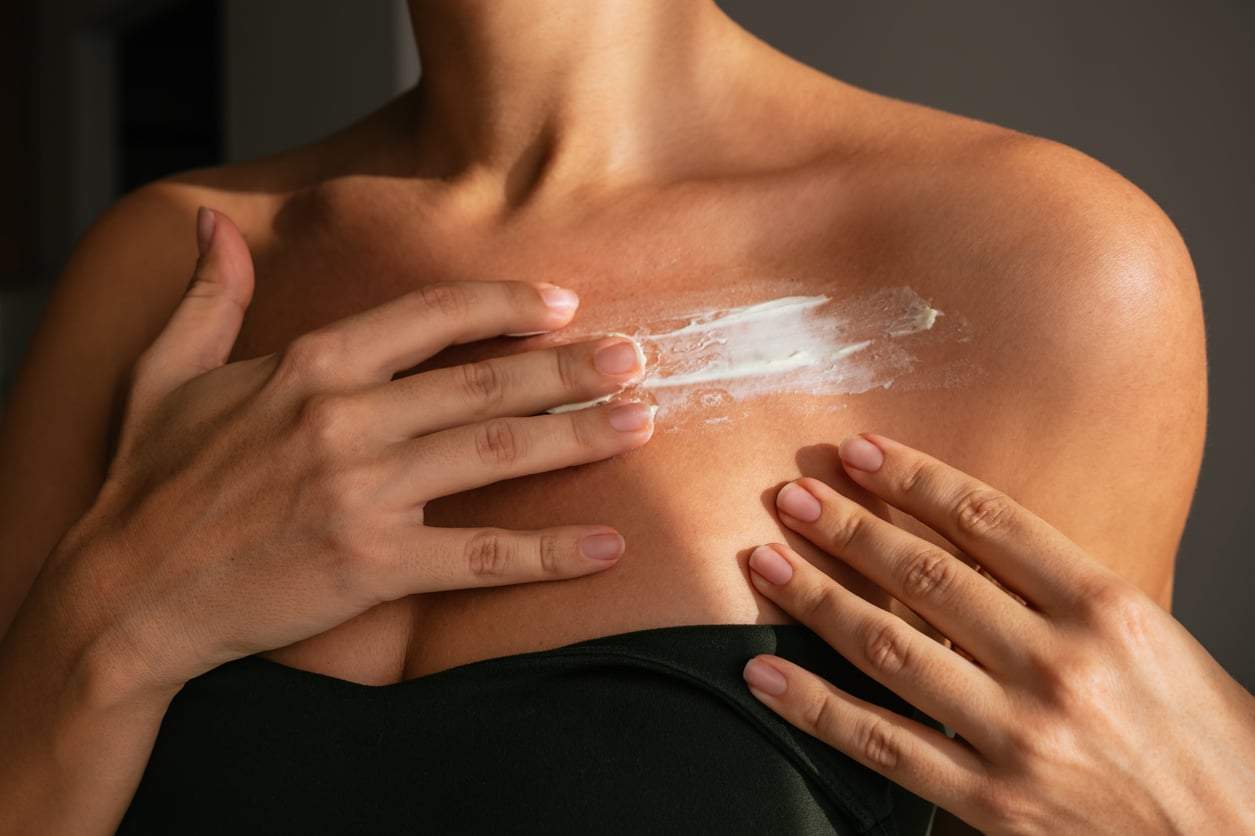
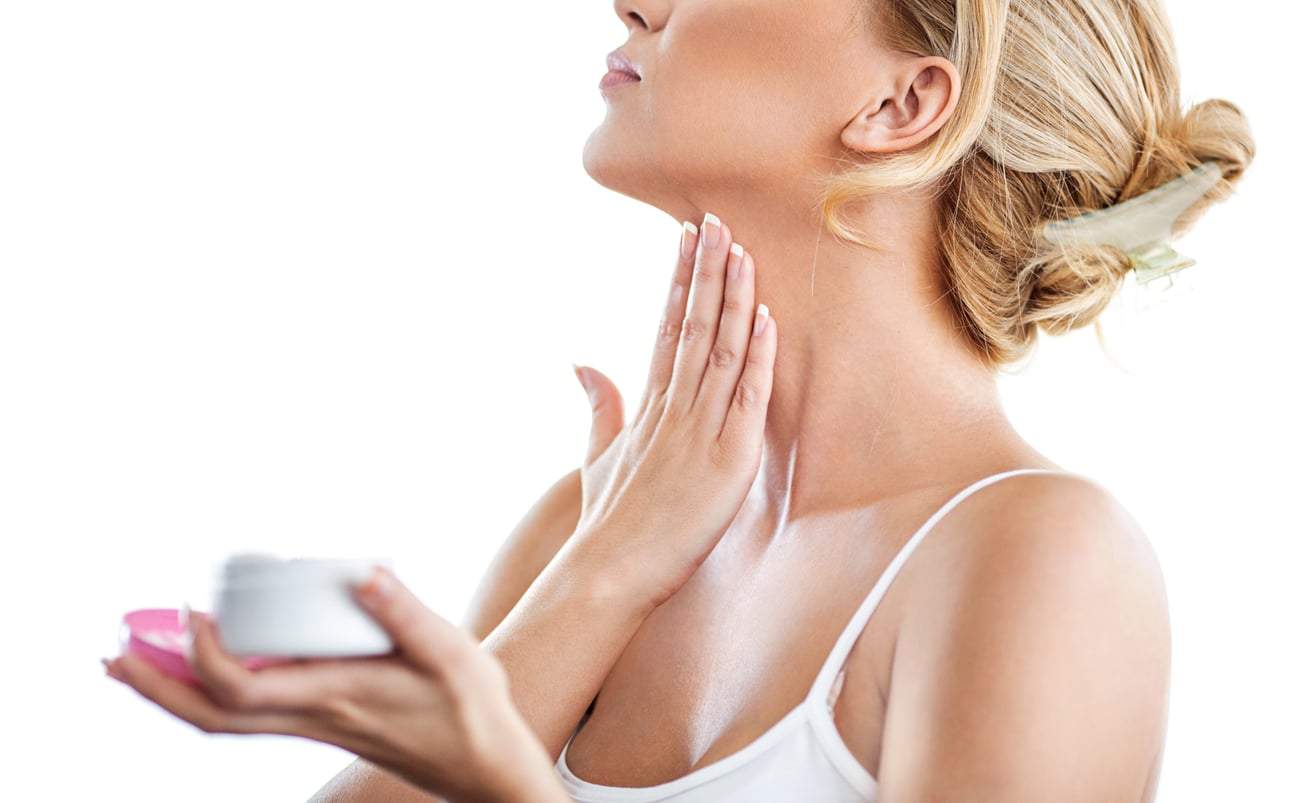
Time marches on for all of us, but plenty of simple routines and treatments can help slow things down. The first priority is consistent hydration. Reach for rich creams that help preserve elasticity, and look for products containing collagen and elastin—these proteins are essential for keeping skin firm.
A regular massage can make a real difference too. Using gentle, circular motions to work nourishing oils into the skin boosts circulation and helps the area feel firmer. Try natural options like almond or argan oil, which deliver a dose of skin-loving vitamins.
Look after your lifestyle: beauty starts from within
Your skin is a mirror of your daily habits, which is why a healthy lifestyle matters so much when it comes to slowing the aging process. Staying well hydrated keeps skin plump and supple. And filling your plate with antioxidant-rich foods—berries, leafy greens—gives your complexion extra support.
Regular movement helps as well. Exercise boosts circulation, so nutrients reach your skin cells more easily, leaving skin looking fresher and more youthful.
Science and the beauty world offer endless tools to turn back the clock, but there's real freedom in accepting how our bodies naturally change. Aging is simply part of being alive—and with a little care and attention, you can help your skin hold onto its beauty and vitality for as long as possible.
Why does breast skin age faster than other areas?
The skin on the chest is thinner than elsewhere and takes constant strain from gravity as you move. It's also highly sensitive to hormonal changes, which speeds up visible aging.
When do the first signs usually appear?
They can show up surprisingly early—often in the early thirties. Common signs include thinning skin, reduced elasticity, fine lines, and a gradual loss of firmness.
What speeds up aging in this area?
Frequent sun exposure, smoking, and poor hydration and skincare can all accelerate the process. Cutting back on these habits helps keep skin healthier for longer.
Which habits actually help slow it down?
Regular hydration with rich creams containing collagen and elastin, gentle massage with natural oils, an antioxidant-rich diet, plenty of water, and regular exercise all support firmer, fresher-looking skin.