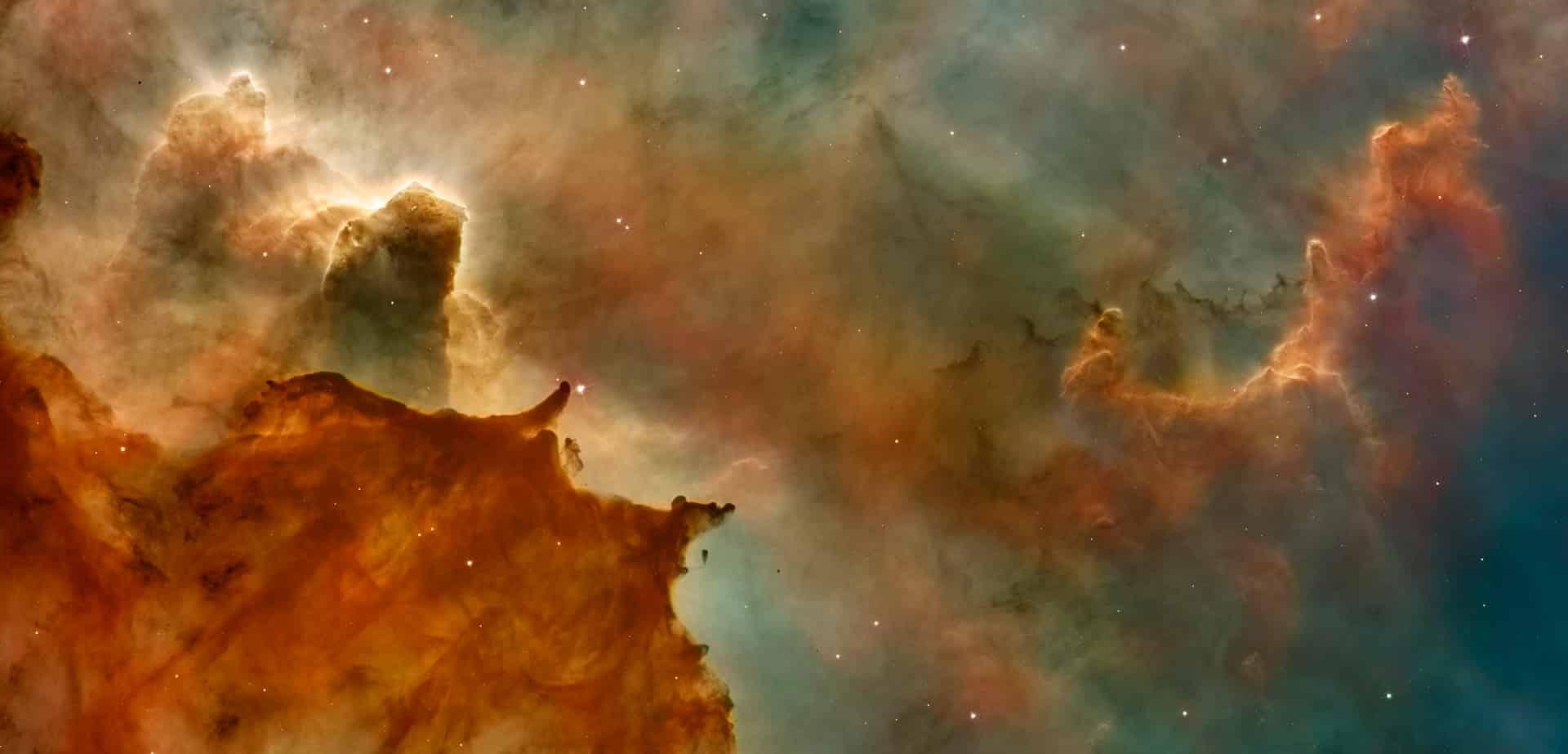
The Mystery of the Infinite Universe
The universe’s vastness is hard to grasp for many. It’s no surprise since even scientists can only make educated guesses about its true size.
Theoretical calculations estimate the observable universe’s diameter at around 93 billion light-years.
One light-year is unimaginably huge: ≈ 9.4607 × 10¹² km (5.88 trillion miles)
This means even with today’s fastest technology, it would take countless human lifetimes to explore just a tiny corner. Plus, the universe might be constantly expanding, so this figure isn’t set in stone.
Dark Matter and Dark Energy in the Universe
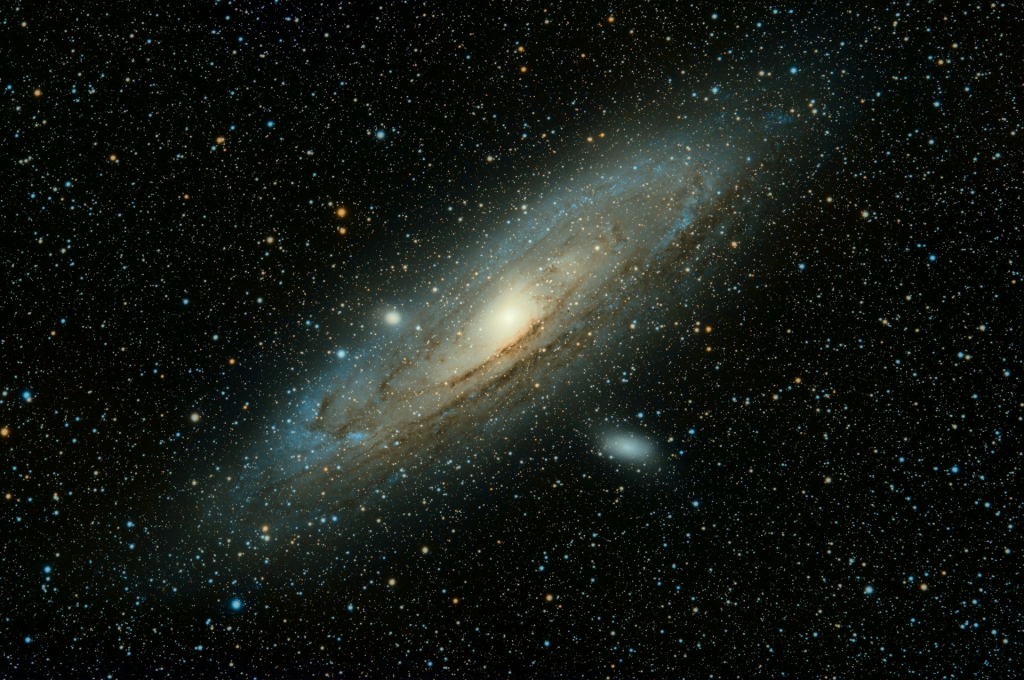
While the known part of the universe is already awe-inspiring, dark matter and dark energy add even more mystery. Scientists believe about 85% of the universe is dark matter—something we’ve never observed directly.
Dark energy also defies usual logic, as it’s thought to drive the universe’s ongoing expansion. Some theories suggest both dark matter and dark energy could be explained by changing fields (like quintessence or k-essence) or modified gravity models. Current space telescope and ground experiments aim to distinguish these ideas and bring us closer to understanding their true nature.
Earth’s Tiny Spot in the Universe
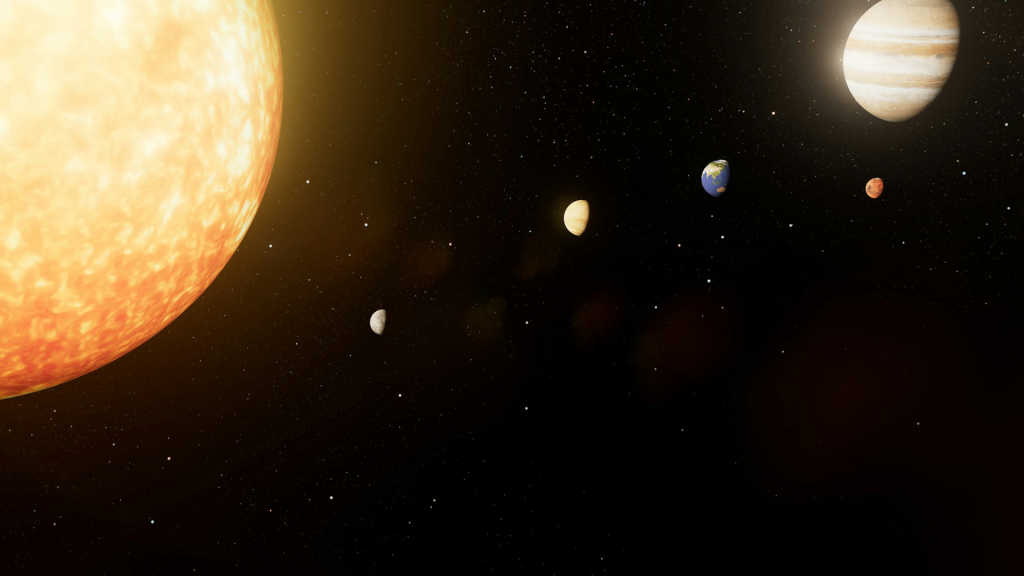
Compared to the universe’s endless expanse, Earth’s significance is tiny. We orbit an average-sized star, located on the edge of our galaxy. Our galaxy, the Milky Way, is just one among billions.
This realization encourages us to appreciate Earth’s unique qualities and be mindful of the impact of our choices.
The Mysterious World of Black Holes
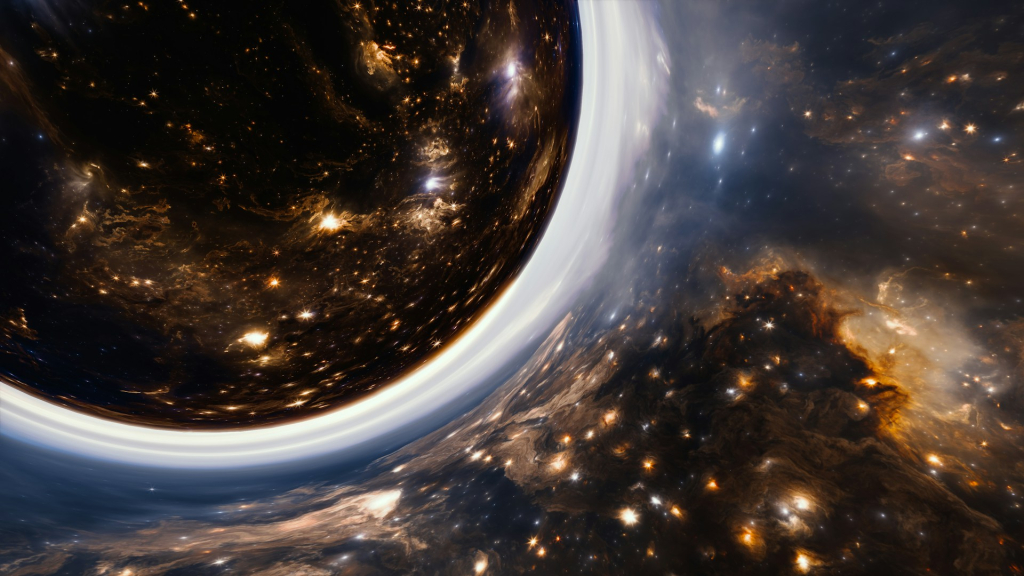
Black holes rank among the universe’s most fascinating phenomena. These celestial objects are so dense that not even light can escape their gravity, acting like a "gateway" in the fabric of space-time.
Research shows supermassive black holes sit at the centers of galaxies, powering star and galaxy formation.
The Life Cycle of the Universe
Scientists believe the universe has different life stages, starting with the Big Bang and gradually "cooling down." This process can be seen as a slowdown or final shaping of its energy states.
While it’s impossible to predict if it will ever end, many theories suggest a "heat death" scenario, where all energy and matter spread out evenly, marking the cycle’s conclusion.
The Inner Dance of Gravitational Waves
Gravitational waves have only recently become detectable, yet they carry huge amounts of information about the cosmos. These energy ripples form during massive collisions, like when two black holes merge.
Studying these waves helps us understand cosmic events and reveals clues about the universe’s earliest moments.
Discovering Exoplanets and Why They Matter
In recent decades, hundreds of exoplanets orbiting other stars have been found. These discoveries prove that planet formation isn’t unique to our solar system.
These worlds help us explore the variety of planets out there and whether life might exist elsewhere in the universe.
The Birth and Death of Stars
Stars live dramatic lives. Our sun, the center of our solar system, will eventually follow a path similar to many others: it will slowly collapse, expand into a red giant, then cool down as a white dwarf.
Elements created in supernova explosions become the building blocks for new stars and planets.
Theoretical Faster-Than-Light Travel
Although general relativity says nothing can travel faster than light, many theoretical physicists explore ideas to bypass this limit.
Concepts like wormholes and other exotic spaces could "shift" space itself, shortening travel distances across the universe.
The Possibility of Multiple Universes
Last but not least, more theories suggest we’re not alone: multiple universes might exist alongside our own. These ideas hint that our universe is just one among countless others.
Though still speculative and under active research, these mysteries open endless doors for science and imagination.