When I moved into my new apartment, my biggest fear was ending up with terrible neighbors. I'd heard every horror story imaginable — screaming matches, parties that ran until dawn, people who knock on your door over the smallest thing.
So when the person next door introduced themselves on my very first day, I felt an enormous sense of relief. They were warm, smiling, and immediately offered to help if I ever needed anything.
I thought I'd gotten incredibly lucky. It felt good to know someone friendly was close by, and I was happy to return the favor whenever they asked. I had no idea that a few months later, I'd be wishing we had never become this close.
We started spending more and more time together
It all began completely innocently. Whenever we crossed paths in the hallway, we'd chat for a few minutes. We took in each other's packages, lent each other little things, and sometimes sat down for a coffee after work.
They were good company and easy to talk to, so it never felt strange that we kept running into each other. As time went on, these moments became more and more routine.
It wasn't just accidental hallway encounters anymore — they started dropping by for a few minutes, or I'd knock on their door for a quick chat. Back then, I genuinely believed this was exactly what a good neighborly relationship looked like.
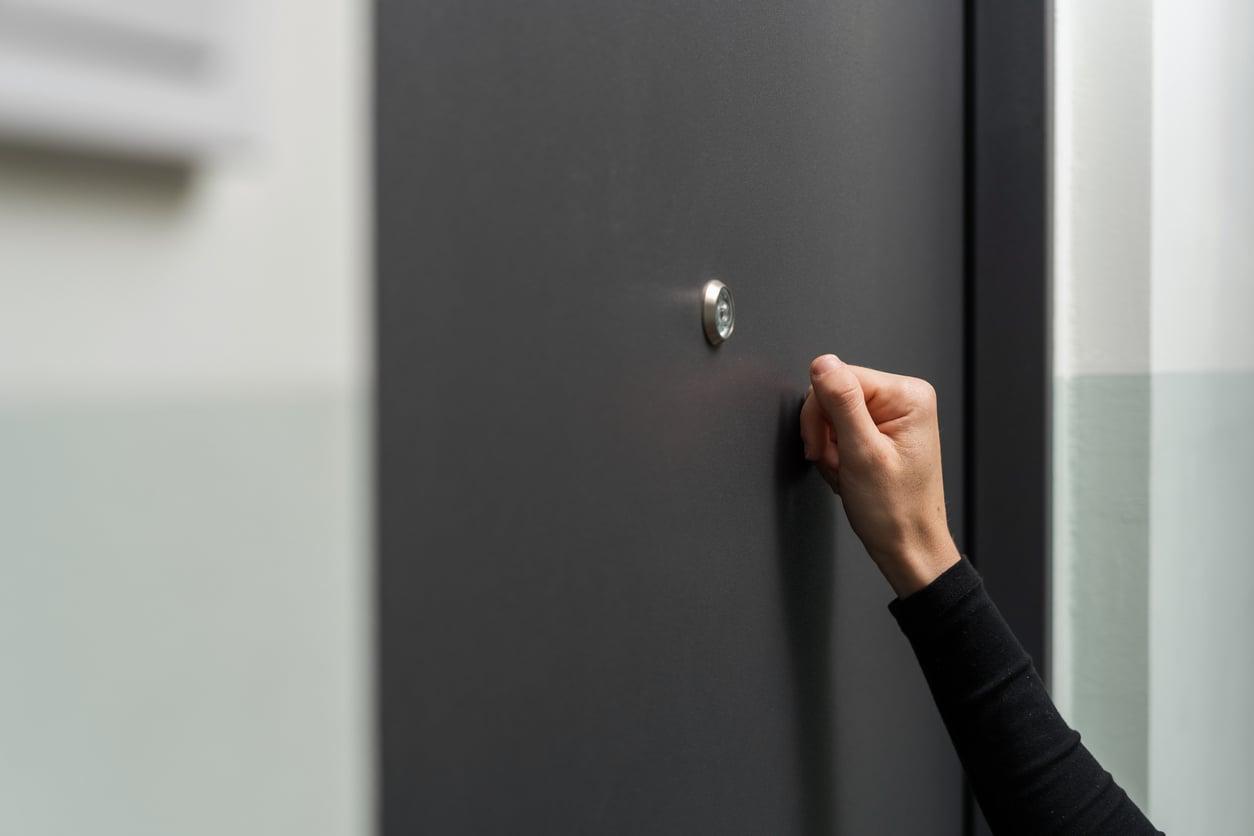
But at some point, something shifted. They stopped asking whether it was a good time. They simply rang the bell.
If they saw my lights were on, they assumed I was up for a chat. If they heard me come home, they'd be knocking within minutes.
At first, I didn't want to make a big deal of it. I kept telling myself they were just an easygoing person, and it would be rude to turn them away. But slowly, I noticed I had less and less time to myself.
Sometimes they interrupted me while I was working. Other times it was in the evening, when all I wanted was to read quietly or watch a movie. My own home was gradually losing the calm that made me love it in the first place.
They started knowing too much about me
Our relationship had become so casual that we told each other almost everything. But after a while, it stopped feeling like mutual openness — it started feeling like curiosity.
They'd often ask where I was headed, why I'd come home late, who had visited me, or what I was doing at the weekend.
They didn't mean any harm — I'm still certain of that. They simply felt we'd grown that close. But the situation kept getting more uncomfortable for me.
I caught myself doing something telling: if I heard their footsteps in the hallway, I'd wait a few extra minutes before stepping out of my apartment. That was the first sign something wasn't right.
Then I realized I was part of the problem too
For a long time, I told myself they were the only one crossing the line. But when I honestly thought it all through, I realized I'd played a role too. I never said no. I never signaled when I was tired, when I was working, or when I simply wanted to be alone.
Every single time, I smiled, listened, and made conversation — so it was completely understandable that they assumed it felt just as natural to me. If you struggle with this too, learning to say no without guilt can change everything.
When I finally worked up the courage to tell them I needed a little more space, I could see it caught them off guard. We didn't argue, but our relationship was never quite the same again.
What this taught me
We still live in the same building. We greet each other, chat for a few minutes when we run into one another, and help each other out when needed. But neither of us wants more than that anymore.
This whole experience taught me that kindness and boundaries don't cancel each other out. You can be thoughtful and helpful while still protecting your own personal space. In fact, that might be exactly what keeps relationships healthy in the long run.
I no longer believe that every good neighbor has to become a friend. Sometimes a polite greeting, a mutually respectful relationship, and the shared understanding of where the boundaries lie is worth far more.
If I'd realized that sooner, we could probably still chat as easily and freely as we did in those first few weeks after I moved in.
How do you set boundaries with a neighbor without being rude?
You can stay warm and friendly while gently letting them know you need space — for example, by mentioning when you're busy or want quiet time. As the article shows, kindness and boundaries aren't mutually exclusive.
Why did a friendly neighbor relationship become uncomfortable?
It gradually shifted from mutual openness to constant curiosity, with the neighbor dropping by unannounced and asking personal questions. Never saying no allowed the pattern to grow.
Should every good neighbor become a close friend?
Not necessarily. Sometimes a polite greeting and a mutually respectful relationship are far more valuable than a close friendship that erodes your personal space.