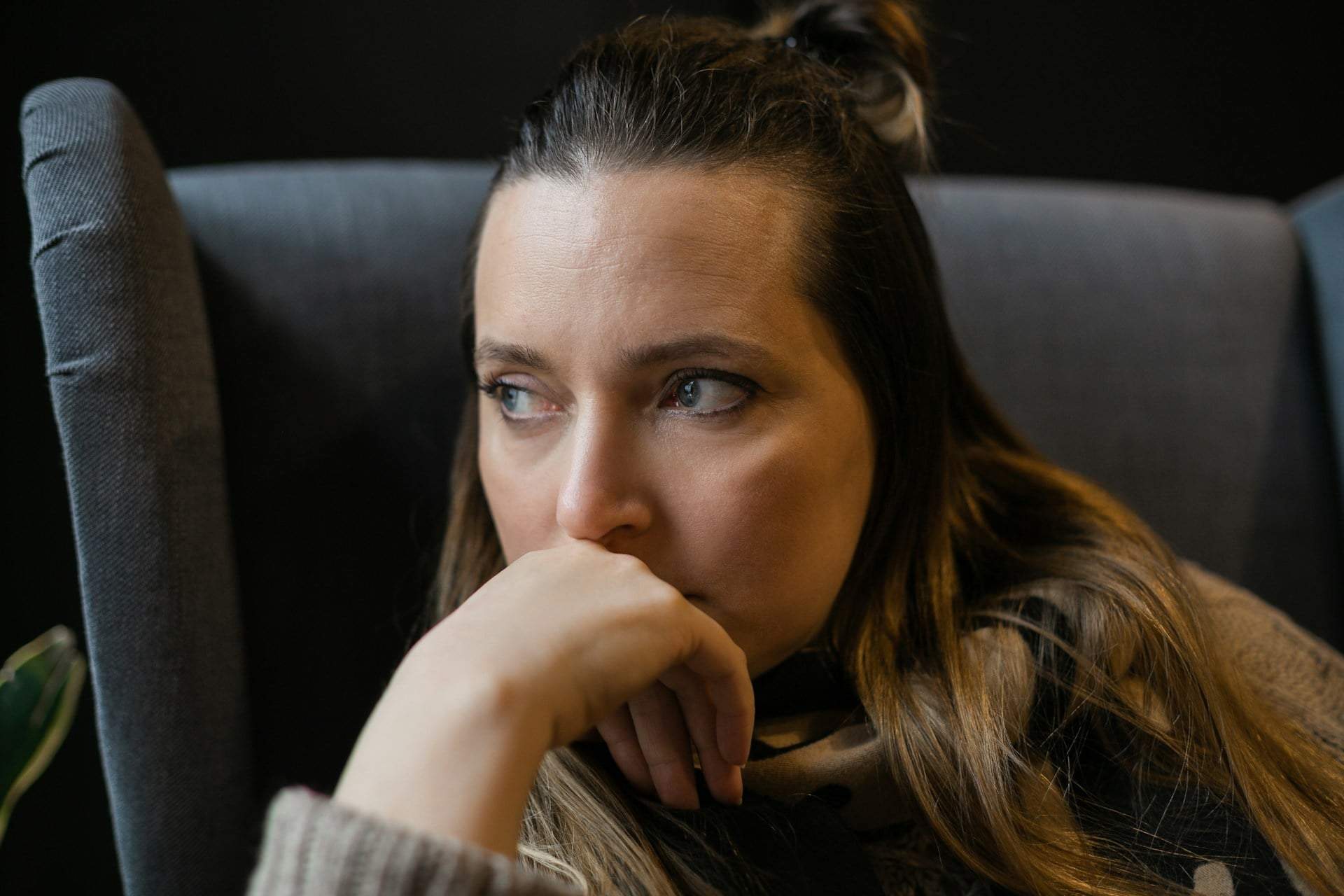
A year ago, I hit a low point in my life that I thought I’d never come out of. I was going through an intense emotional struggle that drained every bit of my energy. Though I was never overweight and always considered slim, I lost weight drastically during that time. I wasn’t dieting or exercising more — I simply couldn’t eat. Most days, I spent my time smoking, barely sleeping at night, and in the mornings, I could only pull myself together enough to appear functional to the outside world.
It shocked me when people said things like, “You look great! What’s your secret?” “Thanks, I spent 8 hours crying yesterday, and my lunch was a half-finished latte” — that’s what I wanted to say.
But instead, I stayed silent. It was startling how the outside world only saw that I was thinner than ever, as if that alone was a success. No one saw that inside, I was falling apart, that every bite of food triggered anxiety, and my body was running on its last reserves to survive. Back then, my BMI was dangerously low — yet many saw this as the “ideal” shape.
Now, a year later, I’m almost 22 pounds heavier. My weight is exactly what it’s been throughout my adult life — except for that critical period. My BMI is healthy, my body stronger, and my overall well-being steadier. I can sleep, eat, and laugh again. Most importantly, I feel like myself once more.
That doesn’t mean every day is perfect. The scariest part is sometimes I glance at an old photo and feel a pang of sadness that my legs aren’t as slim as they were. Society has deeply ingrained in us that what we call the “beauty ideal” is the most important thing.
That’s why I now consciously remind myself: that body was equal to pain and exhaustion. And I wouldn’t want to go back to feeling that way for anything.
My biggest insight from the past year and people’s reactions is that my body isn’t an aesthetic project — it’s my home.
If I lose weight because I’m happy, active, and feeling good, that’s one thing. But when weight loss comes from pain, hunger, and sleepless nights, that body no longer serves me — it works against me.
So today, I see myself differently. I try to measure my well-being not in pounds but in feelings. It’s not about what the scale says, but whether I can enjoy my food, have the energy to meet friends, sleep peacefully, and find joy in everyday life.
Now I know happiness doesn’t depend on my jeans size. True success is mental wellness, connection with others, and peace with our own bodies. These extra 22 pounds aren’t a burden to me: they’re proof I’ve healed, that I can take care of myself, and that I have an appetite for life — literally and figuratively.
So if I had to choose between my current healthy, happy body — not runway-thin but full of life — and last year’s slimmer but unhappy self, there’s no question which I’d pick.
Because we need to learn to prioritize our emotional world over the physical, and measure success not in pounds but in mental health. In the end, it’s not about how slim our legs are, but whether we have the strength and joy to walk the path ahead.