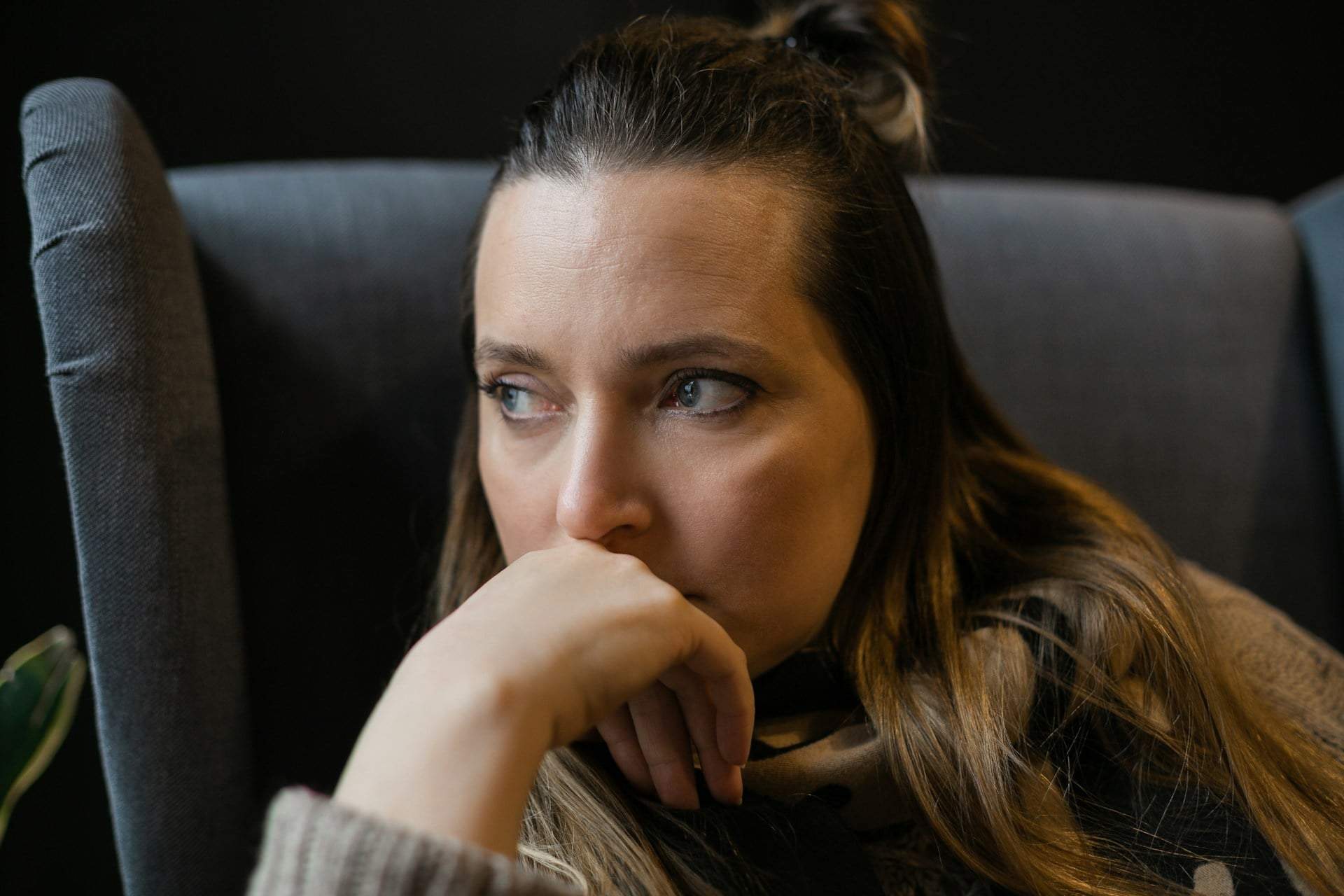
To my mom’s dismay, I never learned to keep my opinions to myself. But I did realize this: while it might cause some awkward moments in the short term, it’s the reason I’ve been able to stay in control of my own life in the long run.
At work meetings and even on dates, I’ve heard people say I’m a difficult case—just because I spoke up when I disagreed or found certain conditions unacceptable. In my twenties, I was puzzled: what else was I supposed to do? Stay silent when something bothered me or crossed my boundaries? Bite my tongue and lie when asked if everything’s okay? How could any healthy relationship—romantic or professional—grow from that?
No, that clearly isn’t the answer. The problem must be how I say things, I thought. Even when I try to be respectful about wanting change, it somehow sounds aggressive coming out of my mouth. So what am I doing wrong?
It took me years to realize the issue isn’t what I say or how I say it. It’s that many people still can’t handle hearing a woman’s differing opinion or a firm no.
When a man stands up for himself confidently, we call him self-assured, a leader, someone who knows what he wants. When a woman does the same, she’s often labeled "difficult," "too sensitive," "aggressive," or "emotional." This double standard shows up not just at work, but in family, friendships, and even in how we see ourselves. Yet assertiveness—standing up for yourself while respecting others—is one of the most valuable skills a woman can learn.

So why is it so hard, and why does self-respect often get mistaken for "disobedience"?
Many of us learn as kids that a good girl is quiet, polite, and adaptable. She doesn’t argue, question, or contradict. This pattern sticks: avoiding conflict becomes the default, while our own needs and boundaries fade into the background. When a woman breaks out of this role and communicates directly, says no, or gives feedback, many take it personally. Not because what she says is hurtful, but because it’s unusual for a woman not to apologize for simply existing.
But assertiveness isn’t about seeking conflict. It’s not about forcing your will at all costs. On the contrary: an assertive woman listens to others while keeping her own point of view clear. She says no without guilt. She asks without feeling indebted. And most importantly, she stands up for herself without apologizing.
My parents always said I was born with two extra scoops of a strong sense of justice. But I know some people are more introverted, had less space to express themselves growing up, or find it harder to recognize their own needs.
Being assertive can be an even bigger challenge for them, but as women, this skill is literally life-changing: it’s the key to steering our own course instead of drifting wherever others push us.
Here’s the good news: assertiveness can be learned. You don’t have to be naturally extroverted or the loudest voice in every argument. What matters is recognizing your feelings and needs as valid—and being able to share them. Many women find it helpful to practice these sentences in writing first. Others attend assertive communication workshops. And some simply decide: no more apologizing for existing or having an opinion.