Op-ed: Borka Schuster
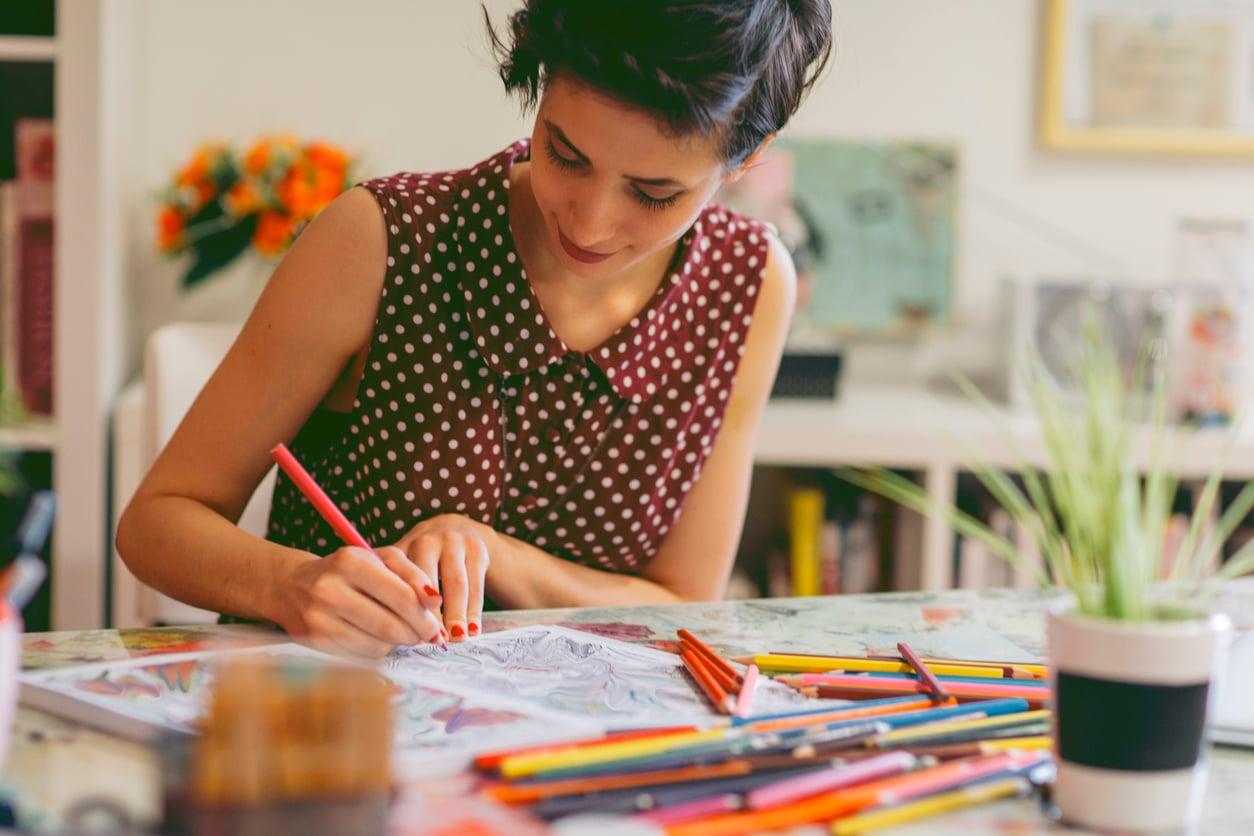
I picked up drawing again as an adult. Not because I had big plans. Not because I wanted to build a career. One day I simply bought a sketchbook and a few pencils, and started doodling the way I used to as a kid.
My first drawings weren't very good. Honestly, some of them were downright bad. You could tell I'd missed years of practice. But I didn't care.
I'd found something in drawing that I'd been missing for a very long time: that feeling when time simply disappears. When I sit down at the table at eight in the evening and suddenly notice it's midnight. When my mind isn't on the shopping list, or work, or deadlines, or what next week or next month might bring. Just the lines. The light, the shadows.
As a child, that was exactly what I loved about drawing. And somewhere along the way I lost it completely. Then, as an adult, I found it again.
After a few months, I started sharing my drawings on social media. Kind comments came in, friends praised my work, and then one day someone asked if I'd do a portrait for money.
Why not?
At the time it seemed like a brilliant idea. Who wouldn't want to earn money doing something they'd happily do anyway? We hear this advice so often: "Find your passion! Do what you love and you'll never work a day in your life!"
But for me, reality played out a little differently.
After the first commission came a second. After the second, a third. Soon I had a waiting list, and it felt like something bigger was starting to take shape. Except, without me noticing, drawing itself had changed.
Before, I picked up the pencil when I felt like it. Now I picked it up when I had a deadline. Before, I drew what interested me. Now I drew what was ordered. Before, an unfinished drawing was just an unfinished drawing. Now an unfinished drawing meant a potentially unhappy client.
The difference sounds tiny, but it changed everything for me
After a while I caught myself thinking about drawing all day long — but not the way I used to. Not because I couldn't wait to sit down and create. Because I was worried. Will it be good enough? Will they like it? Will I finish in time? Does it still need changes? What feedback will I get?
The flow was slowly replaced by pressure to perform, and freedom by expectation. And even though I know this is completely normal in many jobs, it still surprised me how fast something I'd experienced as pure joy could transform.
The strangest part was realizing I was drawing for myself less and less. I drew all week. And still I hadn't really created anything.
My problem wasn't with the clients. It was that the role of drawing in my life had shifted. I won't say I regret it entirely — that would be an exaggeration. It feels good when someone is happy with what I've made. It feels good that my work has value to others. And, of course, it's not a bad feeling to be paid for something I've poured so much energy into.
If this resonates, you might enjoy our take on building a more mindful relationship with money.
Still, there's a quiet sense of loss in me. Because I feel like I gave something up along the way: that childlike, carefree joy that made me pick up a pencil again in the first place.
These days I believe that not every hobby needs to become a side hustle. Not every passion has to turn into a business. And sometimes the most valuable thing about an activity is that it has no purpose beyond bringing joy. Even if it's joy for no one but the person doing it.
Should you turn your hobby into a job?
Not necessarily. As this story shows, monetizing something you love can quietly replace the joy with pressure and deadlines. It's worth asking whether you want to keep at least one activity purely for yourself.
Why did drawing stop feeling relaxing?
Once commissions and deadlines entered the picture, the free, timeless "flow" was slowly replaced by worry about pleasing clients and finishing on time — even though drawing itself hadn't changed.
Is it wrong to earn money from a creative passion?
Not at all. Being paid for your work and knowing it has value to others can feel genuinely good. The catch is that it can change your relationship with the activity, so it helps to stay aware of what you might be trading away.
How can I protect the joy in my hobby?
One way is to keep some of it just for yourself — drawing, or creating, with no deadline, no client and no goal other than the pleasure of doing it.