Opinion piece by Barbara Lee
It took me a while to accept that some expenses that look like unnecessary luxuries are actually the ones saving me money. Once I started paying more attention to my finances, a pattern became clear: always choosing the cheapest option was quietly costing me more. These are the 5 things I now deliberately spend more on — so I can keep more money in my pocket long-term.
A budgeting app
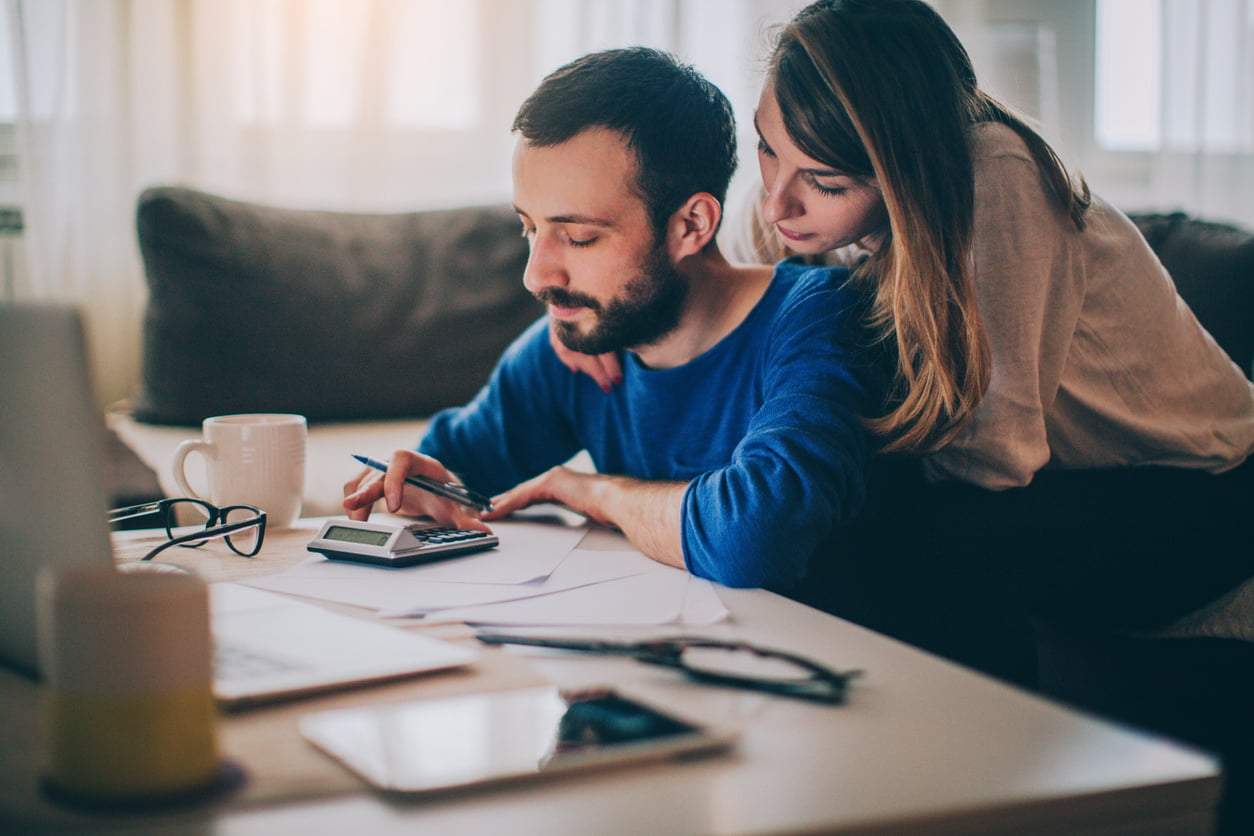
For a long time I tried to track my spending with free tools. But something always got in the way — they were either too complicated, too basic, or I simply couldn't be bothered to log every transaction by hand. Eventually I tried an app with a small monthly fee, and the value became obvious almost immediately.
It's clear, largely automatic, and I can actually see where my money is going. The biggest win? Small amounts stop slipping away unnoticed. That modest monthly subscription gives me a level of financial control that's worth far more than it costs.
Pre-prepped ingredients
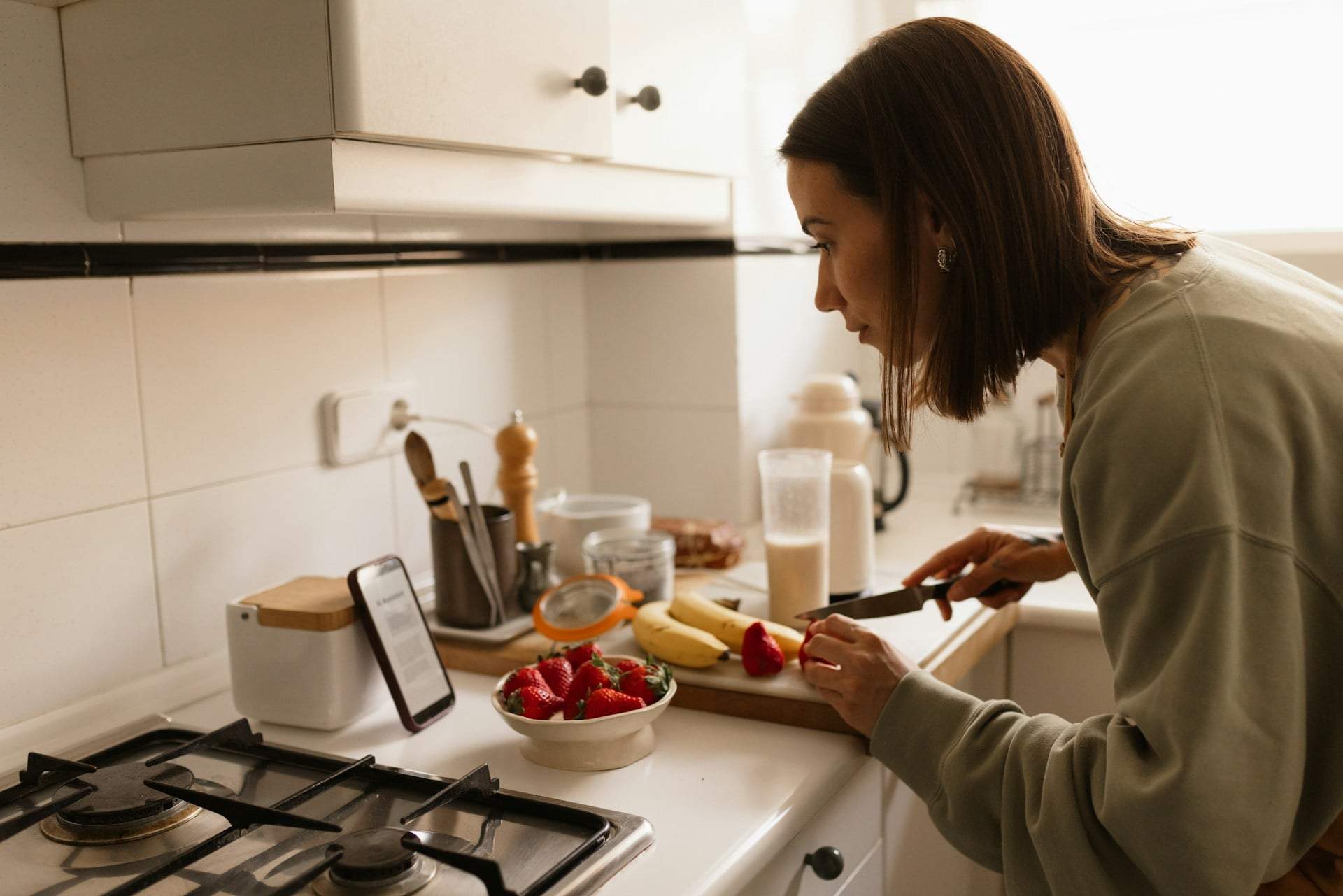
Everyone knows that cooking at home is cheaper than ordering in — but only if you actually cook what you bought. My problem was a familiar one: I'd do a full grocery shop, then by evening I'd be too tired to peel and chop vegetables, so I'd order food anyway. The result? I'd spent money on both groceries and a delivery, while the fridge ingredients quietly made their way to the bin. That's not saving money — that's throwing it away twice.
Now I buy pre-washed, pre-cut versions of certain things — mushrooms, vegetables, whatever my personal cooking obstacle happens to be. Yes, they cost a little more than whole ingredients. But they're still a fraction of the price of a takeaway, and they actually get used. The trick is identifying the one step that makes you give up on cooking — and removing it.
Clothes worth keeping
I used to buy a lot of cheap pieces because "it's not that much money." But those clothes lost their shape quickly, stretched out, or I got bored of them fast. These days I buy less, but I choose things that last. That doesn't necessarily mean expensive brands — a good-quality second-hand find can outperform a discounted fast fashion piece any day.
The difference is that I wear these pieces for years. When you break down the cost per wear, they're actually much cheaper. Spending more upfront, less often, turns out to be far better value than constantly refreshing a wardrobe full of things that don't last.
Better kitchen and household tools
Whether it's a decent frying pan or a reliable food processor, I eventually noticed that cheap versions need replacing constantly. A low-quality pan isn't just harder to cook with — it wears out fast. The same goes for small appliances: a budget blender might give up within six months, while a better-quality one can last years.
The goal isn't to always buy the most expensive option. It's to stop buying the same thing over and over again. One good purchase beats five bad ones every time.
My own time
This one sounds abstract at first, but it's actually very practical. Sometimes I pay for convenience — a well-run delivery service, a time-saving solution, something that removes friction from my day. Because when less time goes to waste on logistics and unnecessary running around, I make fewer bad, expensive decisions — like impulse purchases or ordering takeaway out of sheer exhaustion.
None of these shifts happened overnight, and I'm still learning when it genuinely makes sense to spend more. But since I stopped automatically reaching for the cheapest option, I've become far more intentional with money. And honestly? That mindset shift might be the biggest saving of all.