Some hours of the day carry a different kind of energy. The window between 3 and 4 AM is one of the most talked-about in spiritual traditions across cultures — a time when the boundary between sleep and waking, between body and soul, is said to be at its thinnest. If you were born during this hour, your family may never have mentioned it, but chances are you've always felt a quiet difference between yourself and everyone else around you.
This isn't about magic powers. It's about a deeper sensitivity — one that most people can't quite place when they first encounter it in childhood. You may have been called the kid who felt too much, asked too many questions, or said out loud the one thing no one else in the room had noticed. Sound familiar?
Why this particular hour is considered special
The early morning hours have long been seen as a time of silence and transition. Most of the world is in deep sleep, the noise has faded, the distractions have gone quiet. All that remains is your own inner rhythm. Many spiritual traditions hold that people born at this hour carry that stillness with them — which is why they often feel drawn to solitude, late nights, and the particular peace of being alone, even when they're perfectly capable of being social.
This time of night sits in a kind of in-between state: no longer night, not yet morning. Those born here often spend their whole lives moving between two worlds — a place where intuition and logic rarely contradict each other, and where what feels true usually is.
The sense that sets these people apart
If this was your birth hour, you likely carry a strong intuition that you sometimes struggle to put into words. You can tell when someone is lying even when everything they say sounds perfectly reasonable. You sense where a conversation is heading before it gets there. You read a room without trying to.
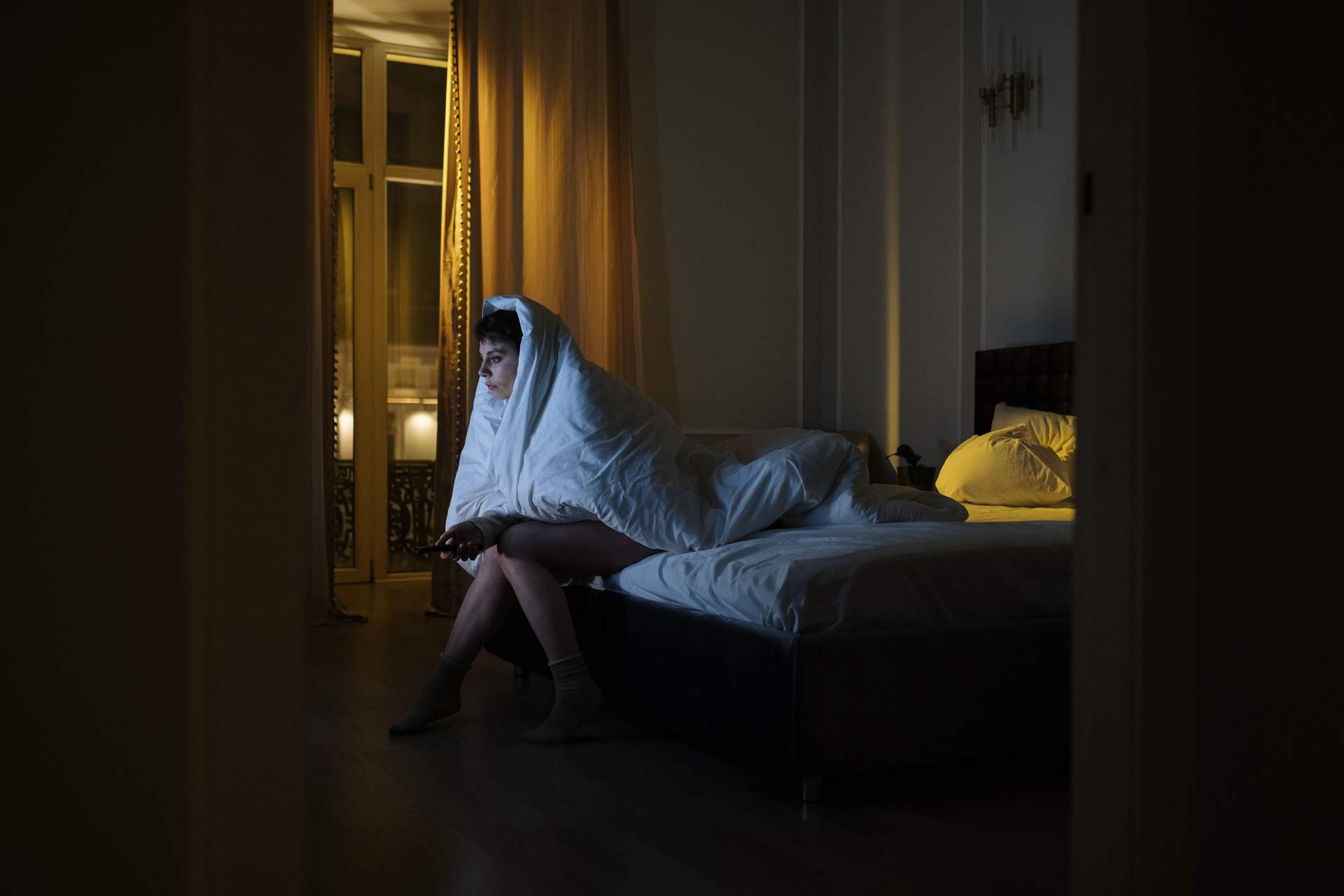
Many people born in these early hours also report that they were unusually alert at night as children, as if their body remembered the hour they arrived. That pattern often continues into adulthood — this is when your thinking is clearest, when your best ideas surface, when you feel most like yourself.
How this sensitivity shows up in adult life
This kind of sensitivity isn't always comfortable. You absorb other people's pain, moods, and tension without them saying a word. Loud, overstimulating environments drain you quickly, while quiet spaces — nature, a calm room, a moment alone — restore you almost immediately. You've probably been told more than once that you're too sensitive, when the truth is that you simply process the world more deeply, more slowly, and more thoroughly than most.
It shows up in your relationships too. Small talk rarely satisfies you. You're always reaching for the deeper layer in a conversation, the part where things actually mean something. That quality unsettles some people — but it draws others to you precisely because they feel truly seen when they're with you.
How to work with this gift instead of against it
If you recognize this sensitivity in yourself, the most valuable thing you can do is give it space rather than suppress it. A quiet evening routine — even just ten minutes of stillness before sleep — can help you process what you've absorbed throughout the day. Paying attention to your dreams and keeping a small notebook nearby can also bring you closer to understanding what your inner voice is actually trying to tell you.
Many people with this quality feel most at ease when they have a corner of their home that's entirely their own — somewhere they don't have to explain themselves, somewhere silence is allowed. That's not withdrawal. That's recharging. It's the same stillness you were born into.
Some people spend years struggling with this sensitivity, feeling like it's more burden than blessing. Others eventually realize it's the very thing that allowed them to hear what everyone else missed. Which side of that are you on right now?
Is being born between 3 and 4 AM really significant?
In many spiritual and astrological traditions, this predawn window is considered a threshold moment — a time of heightened sensitivity and transition. Whether you take that literally or metaphorically, people born at this hour often report feeling more attuned to their inner world than most.
What does strong intuition actually feel like?
It's less dramatic than it sounds. It typically shows up as a quiet but persistent sense that something is off, that a conversation will take a certain turn, or that someone isn't being fully honest — often before there's any rational evidence for it.
Can this sensitivity become overwhelming?
Yes — especially in noisy, high-stimulation environments. As the article describes, those with this trait tend to absorb the emotions of people around them easily, which can lead to exhaustion if they don't build in regular time for quiet and solitude.
How can you strengthen your intuition?
Simple practices go a long way: a consistent quiet routine in the evening, paying attention to your dreams, and creating a personal space at home where you can decompress without explanation. These small habits help you tune into your inner signal rather than drowning it out.