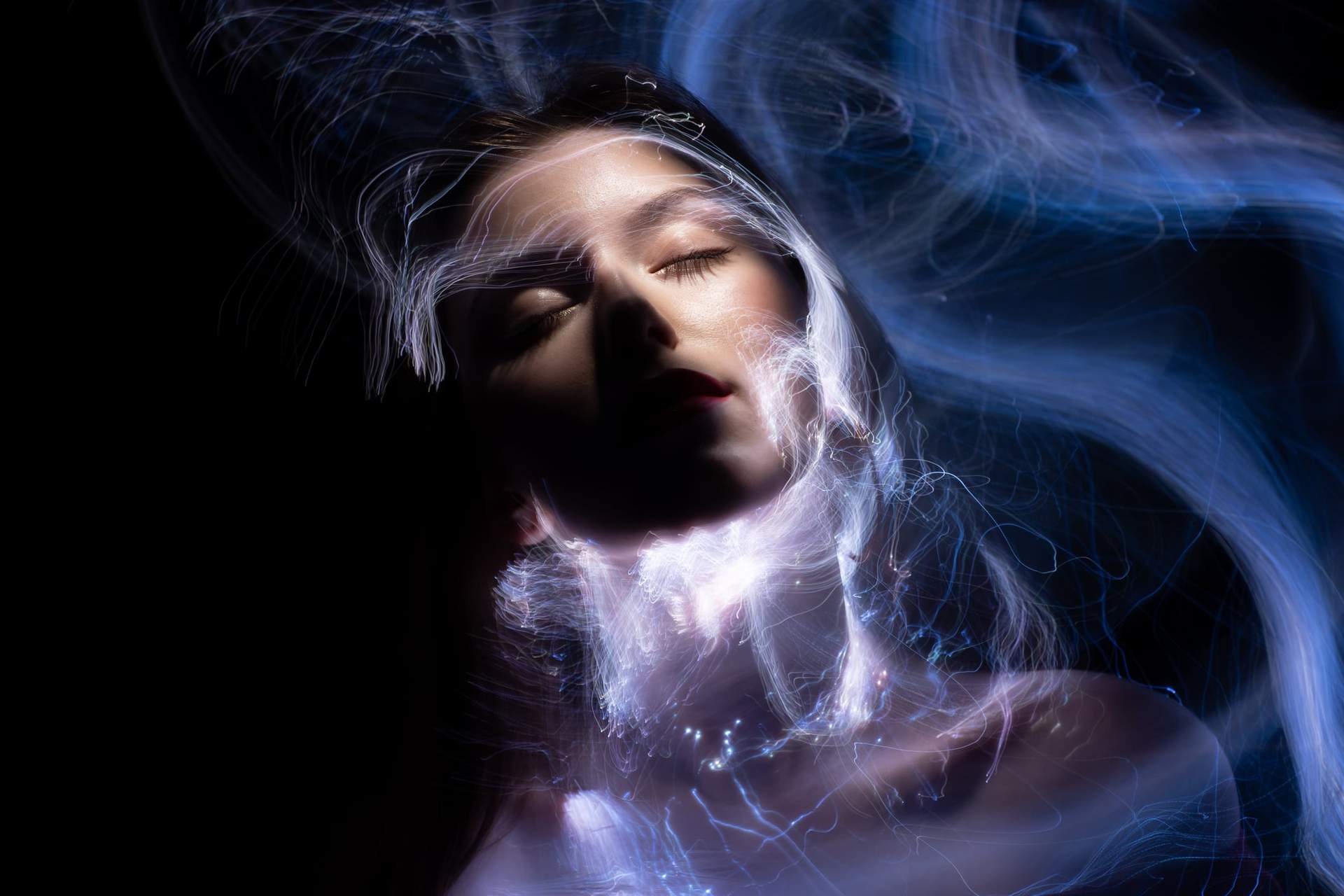
Imagine that moment when, during a completely ordinary event—whether a friendly chat or a walk along a new route—a strange feeling suddenly takes over. The sense that this has already happened to you, as if something from your past is repeating in a time loop. This familiar yet surprising experience is called 'déjà vu,' and it catches many people off guard.
The term déjà vu comes from French, meaning "already seen." It’s a mental experience where someone feels they’ve lived through the current moment before, even though they know for sure they haven’t. While this phenomenon isn’t new—cultures across time have recognized similar experiences—it has gained special attention in psychology and neurology over the years.
How Does the Feeling of Déjà Vu Develop?
Sometimes, the brain’s process of recalling memories can hiccup. The most accepted explanation is that déjà vu happens when a new experience blends at a deep level with a similar past memory.
At these moments, the brain processes the present as if it had already happened, due to a memory glitch or simple illusion.
Researchers have also found that the right hemisphere of the brain may be especially active during déjà vu, since it’s linked to emotions and creativity. The brain can interpret and recall experiences in various ways, and sometimes these interpretations overlap, sparking the déjà vu sensation.

What Do Eastern Philosophies Say About It?
Eastern traditions see the déjà vu experience not just as a brain glitch but as a deeper, spiritual phenomenon.
Hinduism and Traces of Reincarnation
In Hindu philosophy, déjà vu stems from memories of the soul’s journey across multiple lives: samskáras (mental impressions) and vasanas (subconscious tendencies) store experiences from past lives, suddenly awakening when a familiar situation or sight triggers them, as if you’ve truly been there before.
Buddhism: Karmic Impressions and the Flow of Consciousness
Buddhism teaches there is no permanent self, only a continuous flow of consciousness (vijñāna) shaped by our actions (karma).
Karmic impressions are deeply embedded in this flow and sometimes surface when a current situation resonates with past actions, creating the "I’ve seen this before" feeling.
Taoism and Yuanfen
In Taoist and Chinese folk traditions, the concept of yuanfen describes fateful connections: when you feel an unexpected strong sense of familiarity with someone or something, it’s seen as spontaneous harmony with Tao based on past bonds. The ideas of wu wei (effortless action) and ziran (natural selfhood) suggest these moments reflect a deeper harmony of existence.
Zen Buddhism: Dissolving the Illusions of Self and Time
In Zen, reality and the sense of self are fundamental illusions: déjà vu breaks into consciousness when the pure, timeless states experienced in meditation randomly resurface during everyday life. These moments remind us that the separation between outer world and inner self is only an appearance.
Who Experiences Déjà Vu Most Often and When?
Interestingly, déjà vu is much more common among younger people, especially teens and young adults, partly due to ongoing brain development and the flood of new experiences.
People who travel frequently or often encounter new environments and faces are also more prone to déjà vu. These intense yet unfamiliar situations tend to spark the experience.
It’s also been observed that prolonged fatigue or stress can increase déjà vu frequency by disrupting normal brain processing. Additionally, people with a tendency toward epilepsy may experience it more, as their brain’s electrical activity can change unusually.
How Déjà Vu Affects Our Daily Lives
Though it might feel unsettling at first, déjà vu is generally harmless and usually doesn’t signal any serious mental or physical issues. However, if someone experiences it frequently and intensely—especially alongside symptoms like anxiety or memory problems—it’s wise to consult a professional, as it could hint at more complex neurological processes.
Experiencing déjà vu highlights just how complex and amazing the human brain is. While it can be puzzling, it reminds us of the mysteries of consciousness and that there’s still so much to discover within, especially in those moments between chapters.