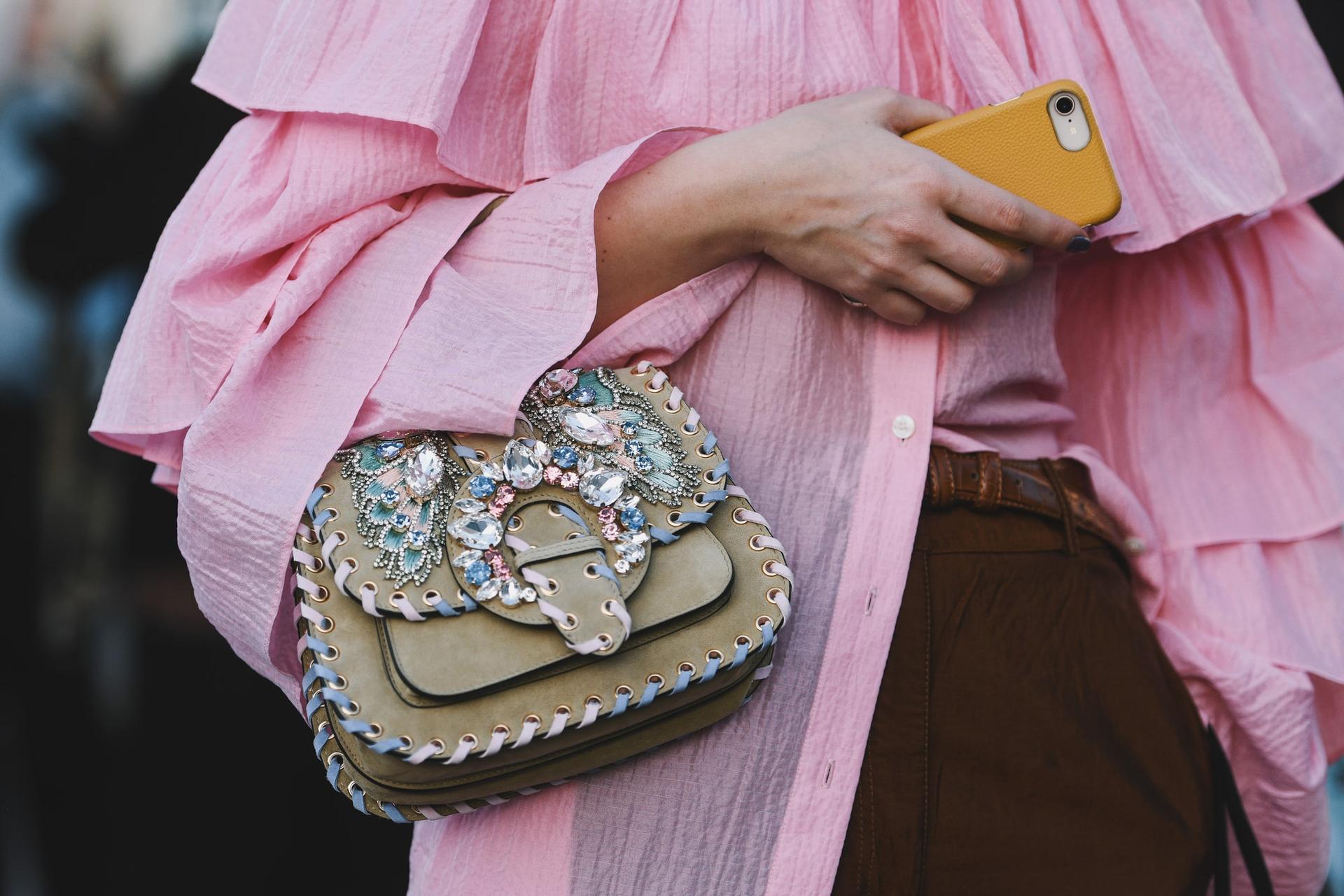
Often, this influence becomes part of our lives from a very young age, and sometimes it shapes us throughout our entire lifetime. Humanity, especially the mainstream, is highly sensitive to appearances because everyday life is woven with social expectations and trends that push us to conform—sometimes even undermining our self-worth.
The Appearance Trap: The Rise of Brand Culture
There’s no doubt that one of the strongest social trends today is the triumph of brand culture. People of all ages and life stages face the pressure to own certain brands or at least feel part of an exclusive club. Brands aren’t just products meeting physical needs—they convey identity and often suggest that owning them means you have value and status in your community.
But this phenomenon carries the risk of basing self-esteem and confidence on external, fleeting things—even if they seem timeless, they are ultimately temporary.
How Consumer Mentality Undermines Confidence
In a world dominated by purchasable goods, recognizing true inner values and self-worth often takes a backseat. Excessive consumer cravings and the illusion of material success lead many to highlight flashy outward appearances that feel empty inside. Believing happiness and satisfaction can be bought feeds misconceptions that often bring more anxiety and inner tension than genuine contentment.
Young people, bombarded with these values from early on, are especially vulnerable. The digital world intensifies these challenges: social media platforms amplify lives ruled by appearances more than ever. In this environment, inner values often fade behind carefully curated, superficial images flaunting expensive items, clothes, and tech gadgets.
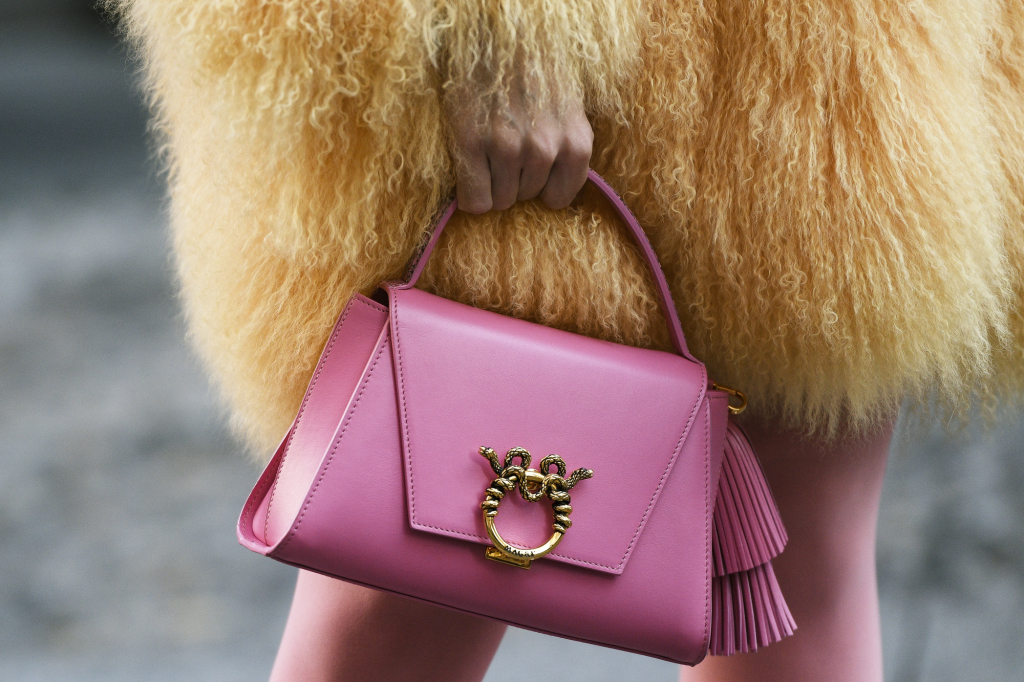
The Crisis of Desired Social Status and Self-Image
Acquiring material things often feels like a constant competition promising acceptance in others’ eyes. But this comes at the cost of sidelining our true needs and goals. How well someone fits into society is often judged by artificial standards—like having the latest phone or the biggest social media presence. Over time, this can be harmful, leaving many young people and adults feeling they’re never good enough, fueling ongoing dissatisfaction.
Finding the Balance
Thriving in a world of material goods while staying true to yourself isn’t easy—but it’s possible. The first and most important step is self-awareness: asking what you truly want from life and which values and goals really matter to you. When you connect with the deeper, authentic source of confidence and self-respect, it becomes easier to let go of the illusion consumer culture pushes daily.
On a personal level, it’s key to understand what truly matters and make choices that reflect that. Using material things solely to reach your goals—while keeping in mind what nourishes you inside—helps you find real balance with yourself and the world around you.