The idea of the soul has fascinated humanity for ages. Central to many religions, it now faces the scrutiny of science and philosophy. So, what can science really tell us about this spiritual essence?
The Soul Through Cultural and Historical Lenses
Before diving into the science, it’s key to understand how different cultures and eras define the soul. Many ancient beliefs see the soul as the essence of life, untouched by physical death. Some civilizations believed the soul is reborn in a new body or journeys through higher realms.
Greek philosophy also explored the soul deeply. Plato championed its immortality, while Aristotle saw the soul as the "form" of the body, inseparable from it. These ideas influenced Eastern religions like Hinduism, where reincarnation is a core concept.
Modern Science’s Take on the Soul
Over recent centuries, science has shed new light on the soul’s existence. Psychology, neurology, and physics intersect in this exploration. Sigmund Freud, the father of psychoanalysis, viewed the soul—or rather consciousness—as better understood through the subconscious mind.
On a bolder frontier, quantum physics suggests human consciousness—and thus the soul—might interact with the universe in ways we barely grasp. Still, scientists don’t agree on the soul’s nature or existence.

Fascinating Experiments and Hypotheses
Research into the soul’s existence remains a hot topic. One memorable study is the “21 grams experiment,” which linked a sudden weight loss at death to the soul’s departure. Though debated, it sparks intriguing questions about consciousness.
Paranormal Phenomena
Paranormal events—like ghost encounters and other hard-to-explain experiences—often come up in soul research. Modern parapsychology studies these phenomena, even though they sometimes challenge scientific norms.
Near-Death Experience Investigations
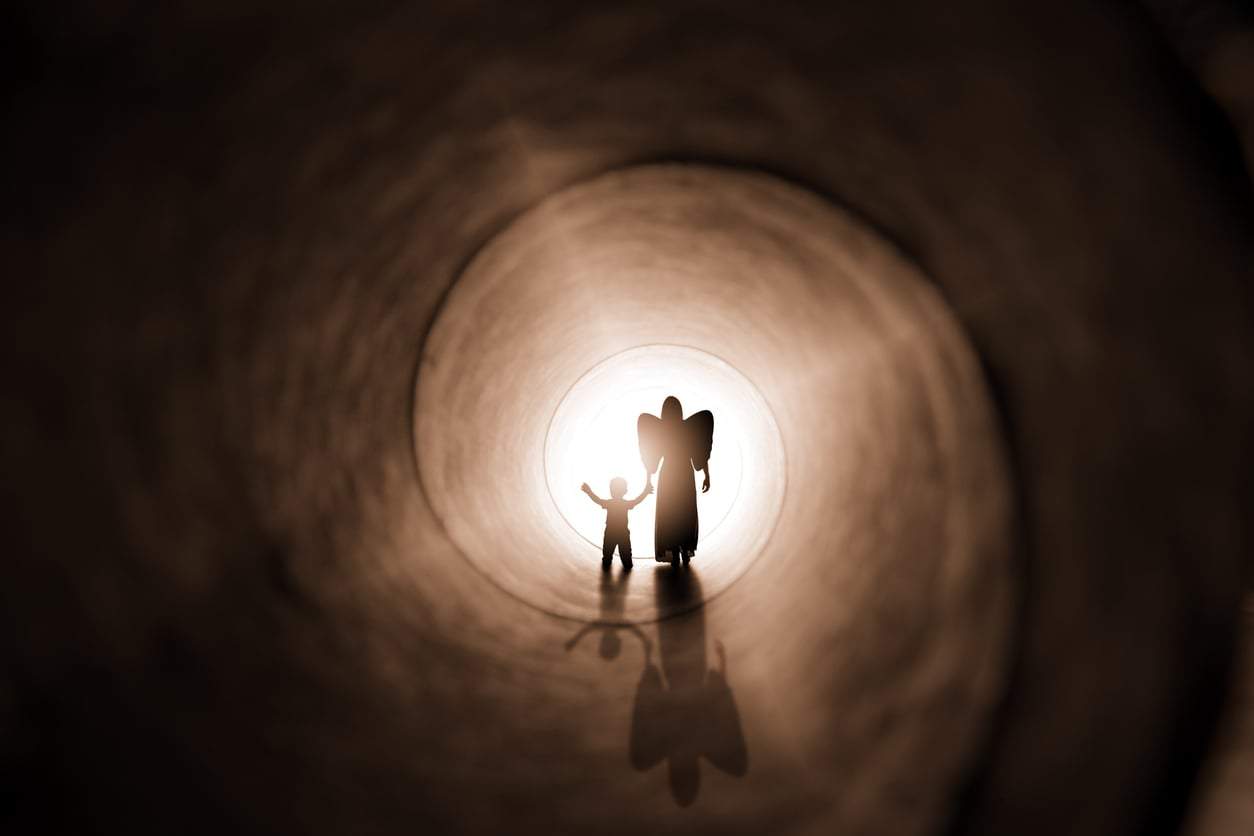
Near-death experiences (NDEs) are key to understanding the soul and consciousness. People who return from clinical death often report deep peace, vivid sights or sounds, feelings of leaving the body, or encounters with unknown beings.
Some scientists explain NDEs as brain responses to fear or hallucinations. Yet, these experiences often transform people’s outlooks, inspiring positive psychological growth. Exploring NDEs, the soul, and paranormal events remains an exciting frontier for science and philosophy.
Did you know?

The first to bring near-death experiences into the scientific spotlight was Raymond Moody. In 1975, he published Life After Life, coining the term “near-death experience” and analyzing reports from hundreds of people who faced clinical death.

Moody’s research revealed common patterns worldwide—like out-of-body sensations, tunnels of light, meetings with deceased loved ones, or a life review. With his background in philosophy and psychiatry, he authored many books on life after death, consciousness, and spiritual experiences.

His work helped make near-death experiences a serious scientific and social topic, easing many people’s fear of death.
Ultimately, belief in the soul depends on personal faith and conviction. While science approaches the question from many angles, people shape their understanding through experience, spirituality, and culture. Often, the quest for meaning in life leads to deeper insight into ourselves and the world. Truth may lie not just in labs or debates, but in how we choose to live and see the world.