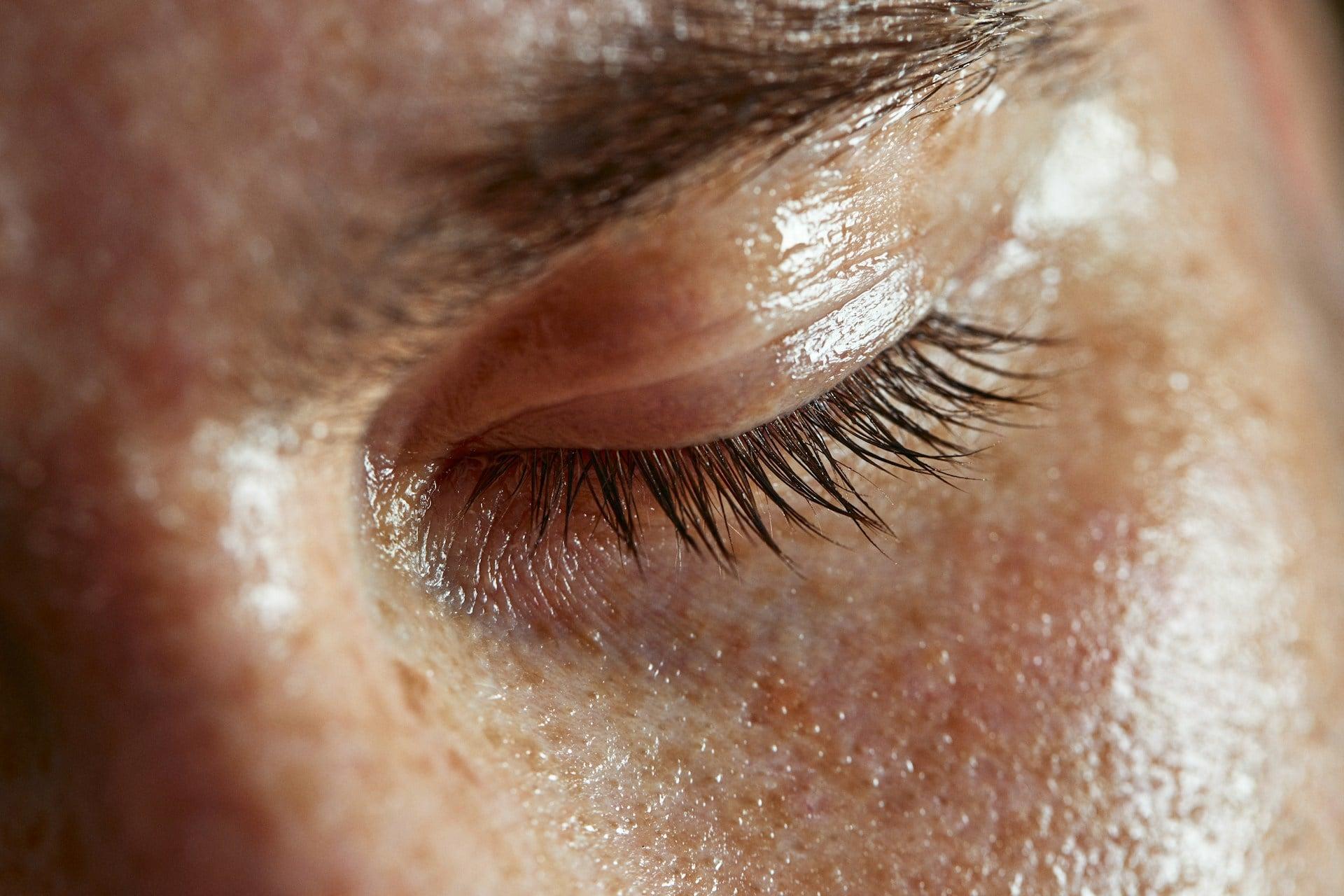
If you’ve scrolled through TikTok recently, you’ve probably seen the buzz: swapping mascara for Vaseline on your lashes. Sounds wild? Maybe. But many swear by Vaseline as an “invisible mascara” that thickens, shines, and holds curl better, even giving a subtle lash lift effect.
Most of us know Vaseline as a classic gel-like product made from mineral oils and waxes, great for dry elbows, chapped lips, scrapes, or cracked cuticles. But lashes? That’s a new frontier.
And we admit it: we go all out for gorgeous lashes. Curlers, mascaras, volumizers, serums—the list goes on. While the worst mascara mishap is smudging, the eye area is super sensitive. So it’s smart to be cautious, especially if you wear contacts. Let’s see what dermatologists say about the “Vaseline lash” trend.
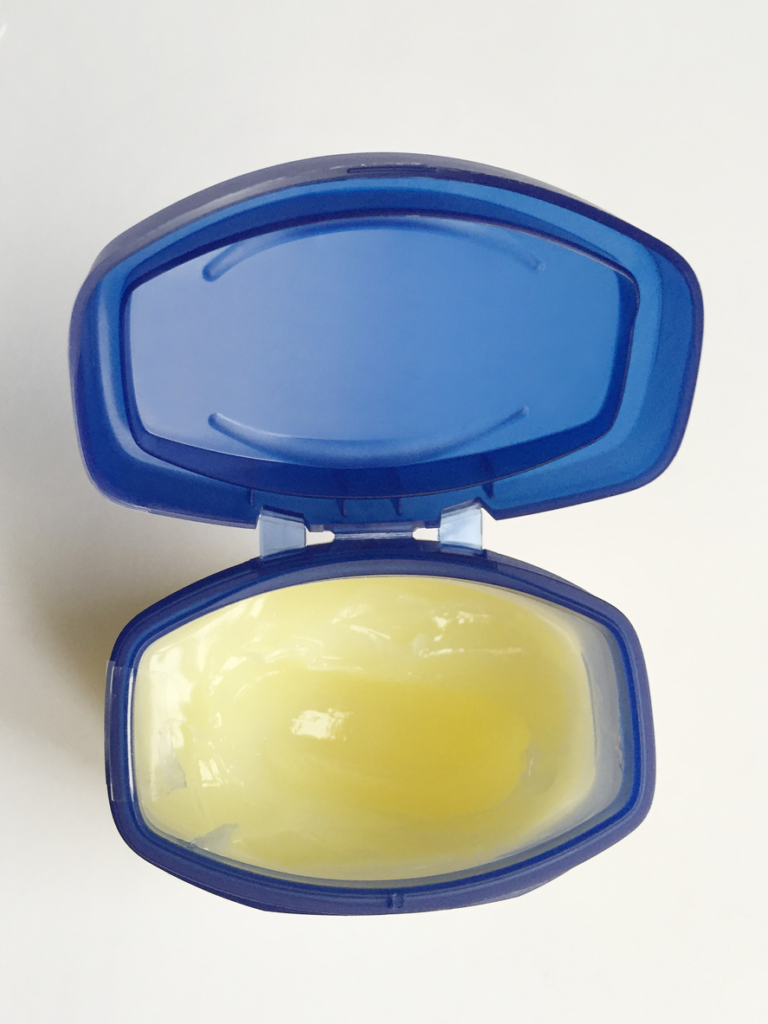
What Exactly Is Vaseline?
Vaseline is basically petrolatum—a thick, oily-waxy substance dermatologists have recommended for decades to hydrate and protect skin. Its big plus? It’s occlusive, sealing in moisture and helping the skin barrier lock in hydration.
Doctors explain that this simple ingredient can even help deliver medications through the skin, and it was first discovered back in the 1800s when oil workers used a similar substance on wounds.
In short: it’s not a miracle cure, but it’s reliable and versatile—that’s why it’s iconic.
How Can It Benefit Your Lashes?
Here’s the key: petrolatum doesn’t just hydrate skin—it moisturizes hair strands too, including your lashes.
Dermatologists say it may offer these perks:
- Softens and hydrates lashes, making them less prone to breakage.
- Helps lashes stay less dry and brittle.
- May reduce lash fallout, especially if you use mascara or curlers a lot.
- Gives lashes a shiny, “wet look”—that viral TikTok vibe.
- Adds flexibility so curls hold better.
Important to know: Vaseline won’t actually grow your lashes or thicken them permanently, nor does it affect their growth cycle. What it does is condition and protect strands, reducing breakage and helping lashes stay in their growth phase longer. That’s why they may look longer, but it’s not true growth.
Possible Side Effects—Here’s the Important Part
Vaseline itself is generally very safe and rarely causes allergies. But the eye area is a different story. Dermatologists warn:
- It can clog pores, especially if used in large amounts—leading to inflamed bumps like styes.
- If it gets in your eyes, it can cause blurred vision for a while.
- If you’ve had eye infections or frequent styes, be extra cautious.
- Petrolatum can sometimes cause facial breakouts if you’re prone, so don’t leave it on your eye area for weeks straight.
So: it’s not dangerous, but it’s not a game either.
Does It Really Work as a Lash Lifter?
The answer: somewhat yes. Hydrated, flexible lashes respond better to curling, looking fuller and shinier—that’s the “lash lift” feel. Many love the Vaseline’s “wet look” shine that’s trending on TikTok. But don’t expect miracle growth or lasting effects. Think of Vaseline more like a lash balm.
How to Use It Safely
If you want to try it, here’s how to do it right:
- Always use clean hands or a sterile brush.
- Don’t use applicators that have touched your mouth, skin, or hair to avoid bacteria.
- Clean your lashes gently with a baby shampoo cleanser.
- Apply Vaseline on slightly damp lashes to lock in moisture better.
- Use only a thin layer—less is more.
- Avoid the lash roots, swipe from the middle to the tips.
- If you want, you can gently use a curler afterward.
- When removing, clean the area again with baby shampoo—no rubbing.
If you’re into the “wet look” natural lash or want to nourish your lashes a bit, Vaseline can be a great at-home option when used carefully and sparingly. But if your eyes are sensitive, you get styes often, or you wear contacts, it’s better to choose a conditioner made specifically for the eye area.