When the holiday decorations come down, the cozy feeling they brought often fades too. This can make the post-holiday blues hit even harder. It’s not that your home suddenly looks bad — it might just feel a bit empty or lonely. If there’s ever a time to turn your space into a true sanctuary, it’s January. The good news? You don’t need renovations or pricey new items to boost your home’s happiness. Interior designers reveal small, thoughtful changes that can shift your space from feeling "stuck inside" to a place of calm and contentment. Here are some ideas to make your January evenings at home feel intentional and enjoyable, not forced.
Add More Plants
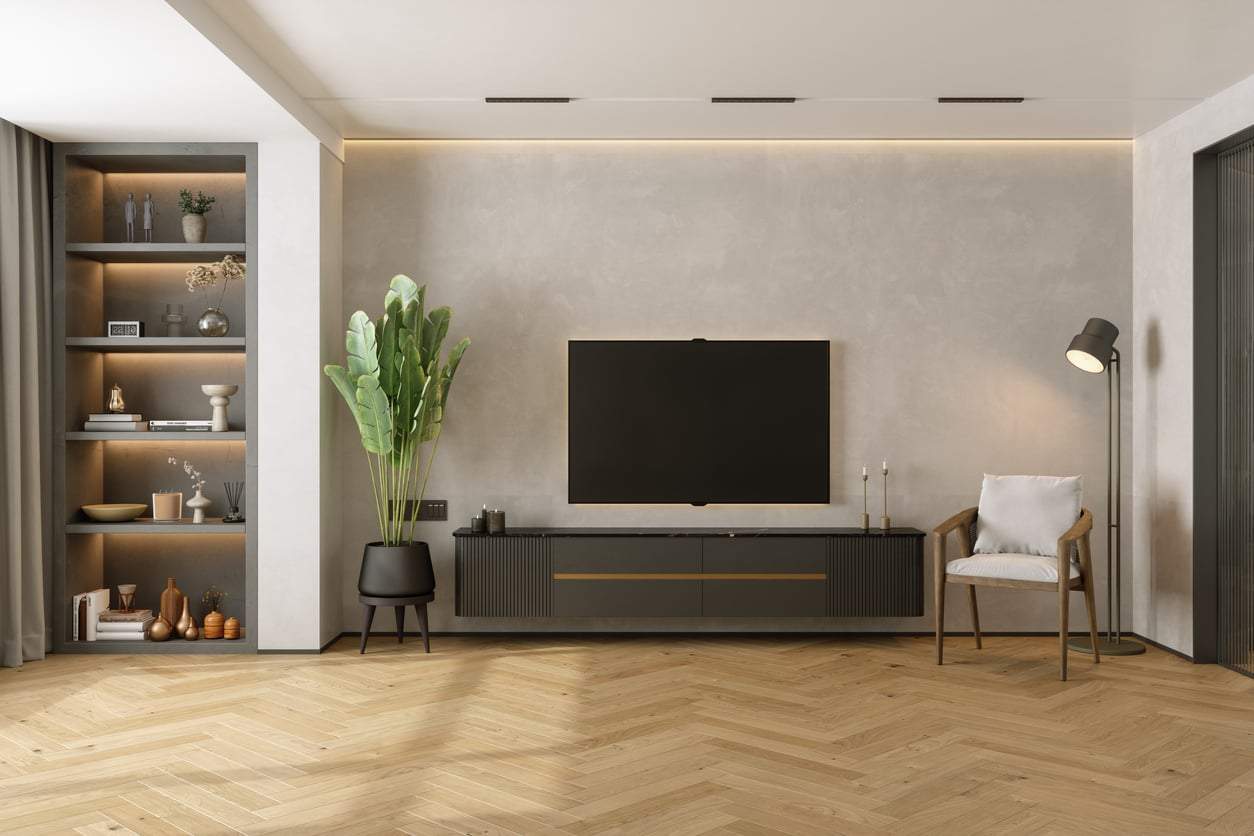
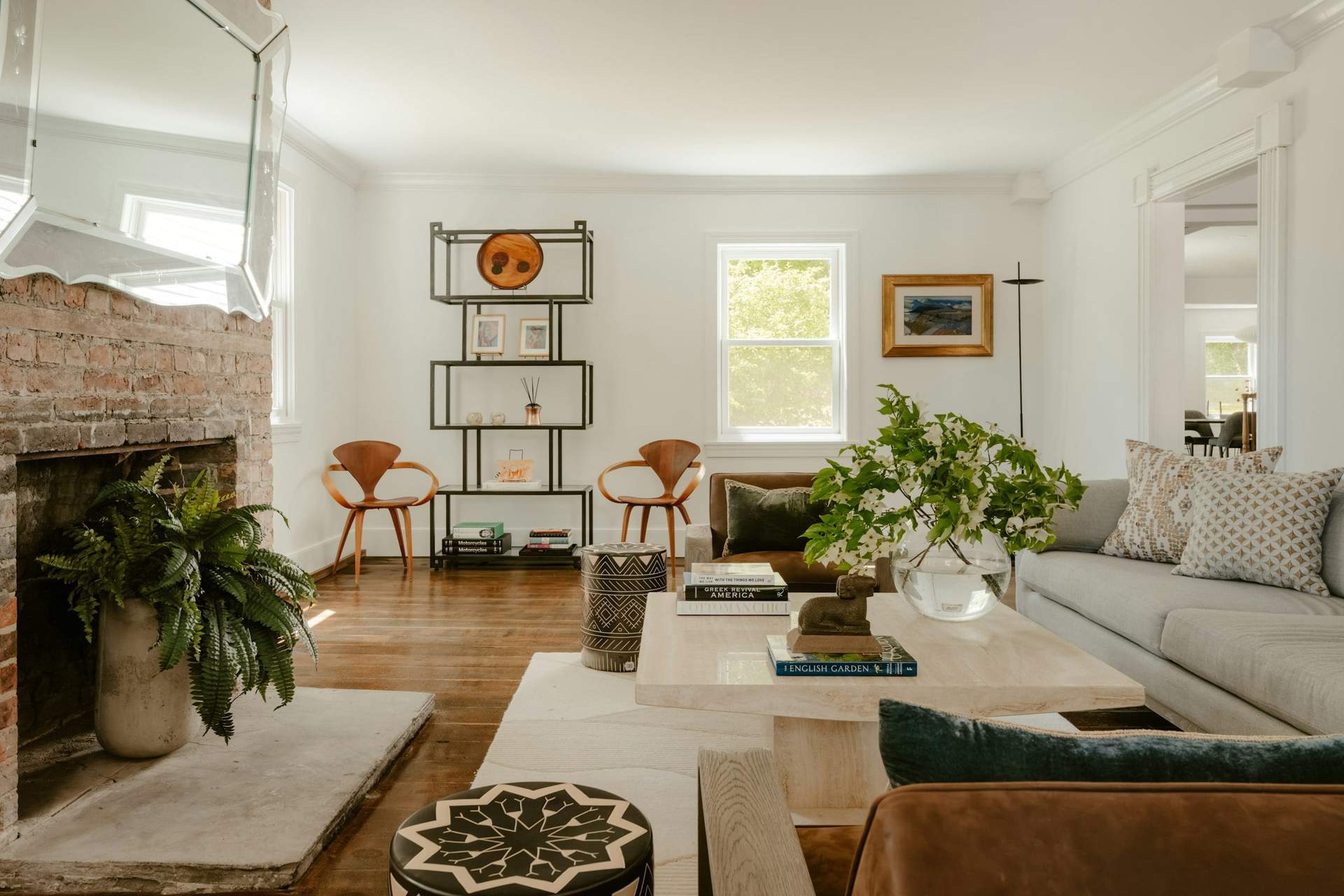
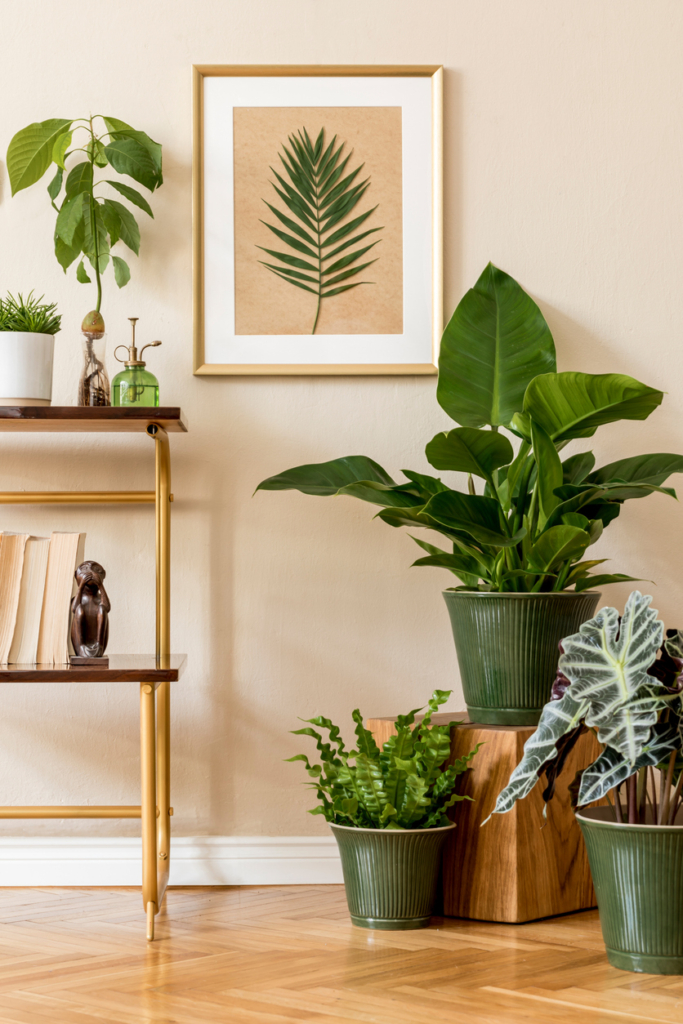
Plants bring life and joy to any room, especially in winter.
“Bold colors energize and uplift a space, and you can achieve this not just with plants but also with vibrant vases or pots,” says interior designer Kia Weatherspoon.
“Plus, plants are movable, so you can refresh the mood of a room every day.”
Interior designer Rita Wilkins points out that bringing nature indoors is not only beautiful but also important for health and well-being.
Clear Visual Clutter
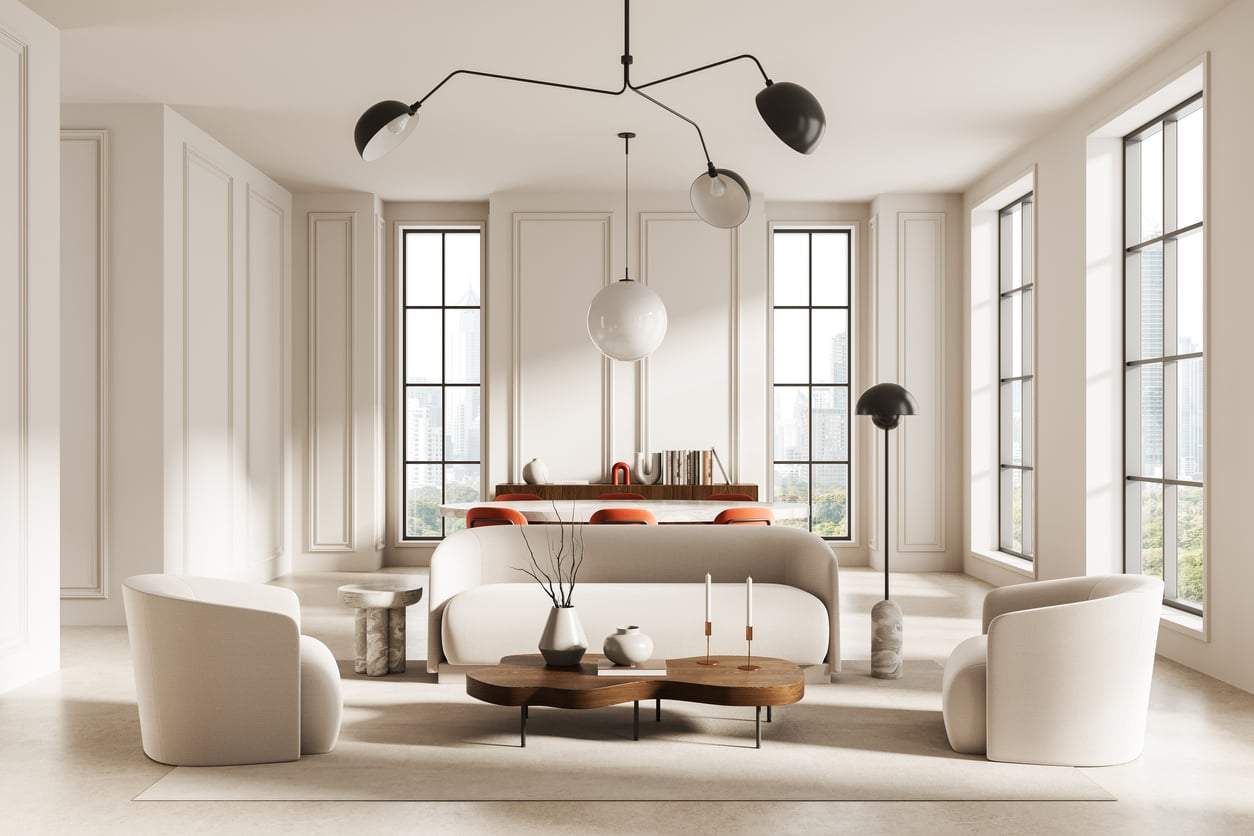
Wilkins advises: “Organize first, then add.” Many try to create warmth without removing distracting items first. Too many things create visual noise and stress. When you keep fewer items, each one stands out more. A tidy space instantly feels calmer, softer, and more inviting.
“Cozy doesn’t come from clutter, but from clarity.”
Display Meaningful Items
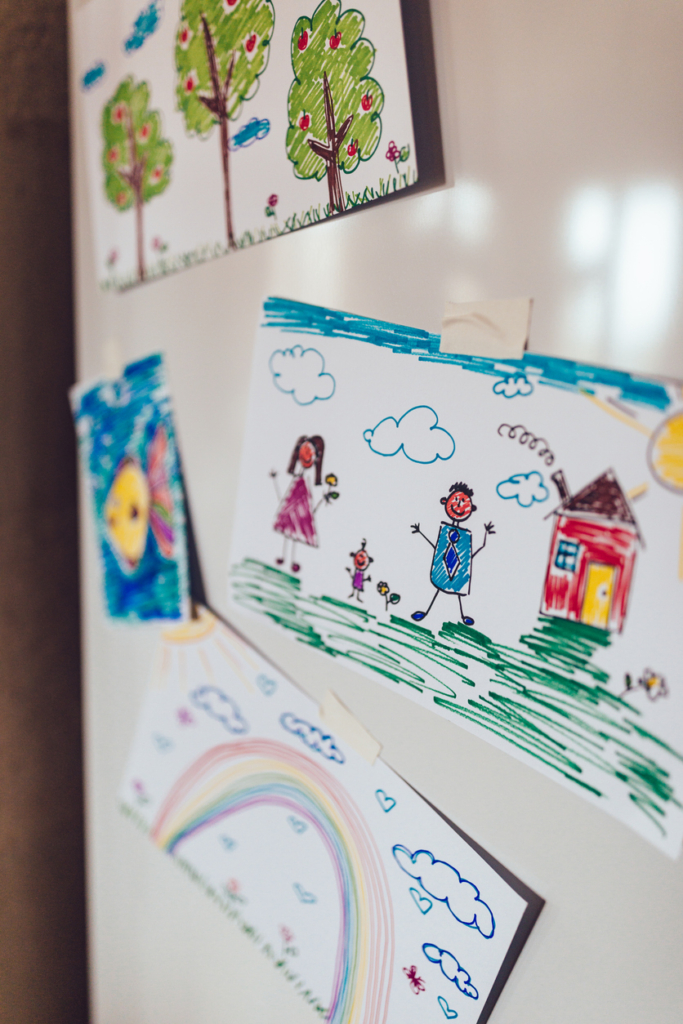
The next step is to personalize your home not with “stuff” but with items that carry meaning. “A truly warm home tells your story,” says Wilkins. Family photos, heirlooms, travel souvenirs, or even children’s and grandchildren’s drawings all belong here. Interior designer Stacy Garcia explains that emotionally connected objects strengthen feelings of connection and belonging, which go beyond just looks. The key is moderation. Choose fewer, truly important items and give your space room to breathe.
“If everything is special, then nothing is.”
Create New Zones
Small rearrangements can bring big mood changes.
“Rethink how you use your spaces throughout the day,” suggests Garcia.
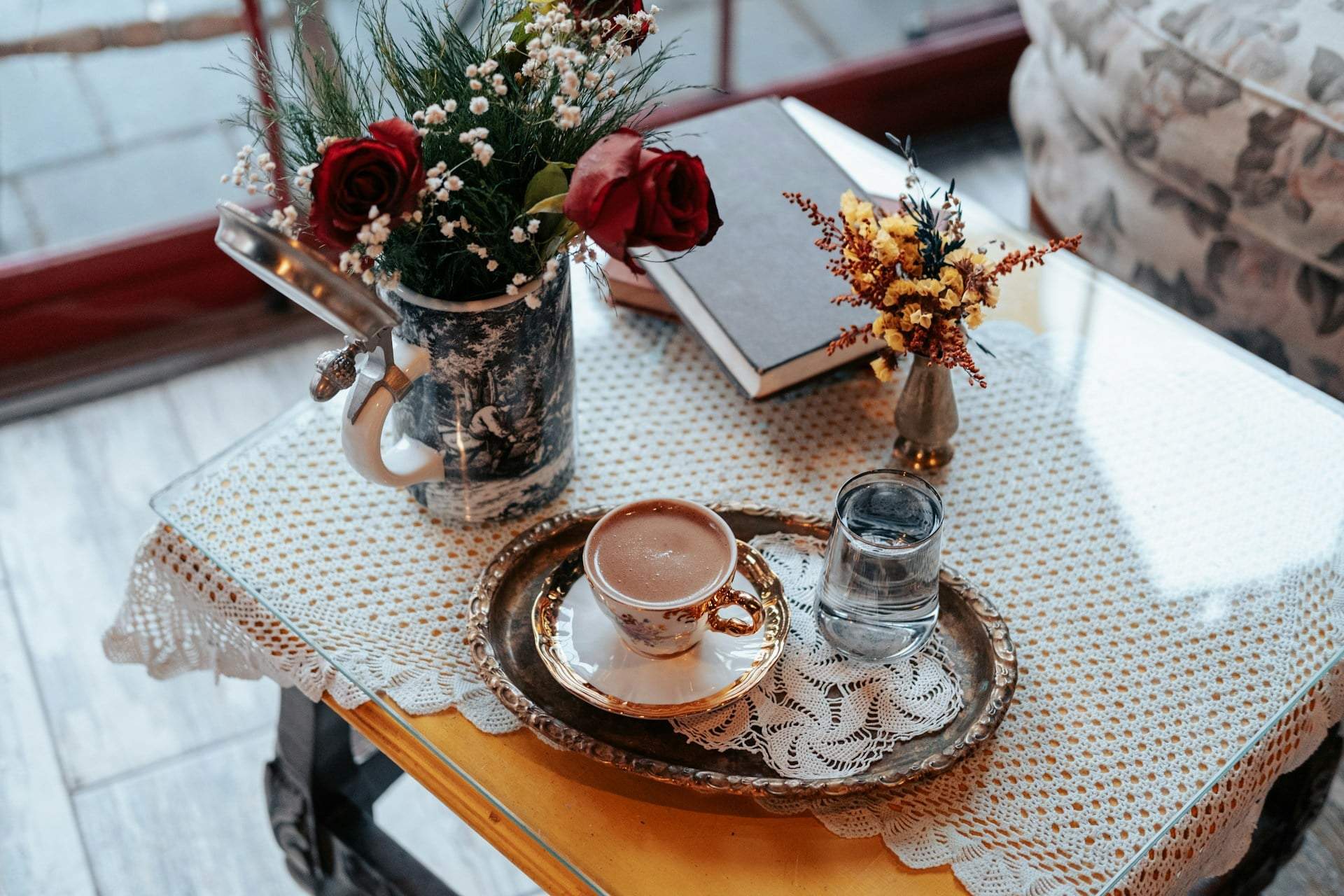
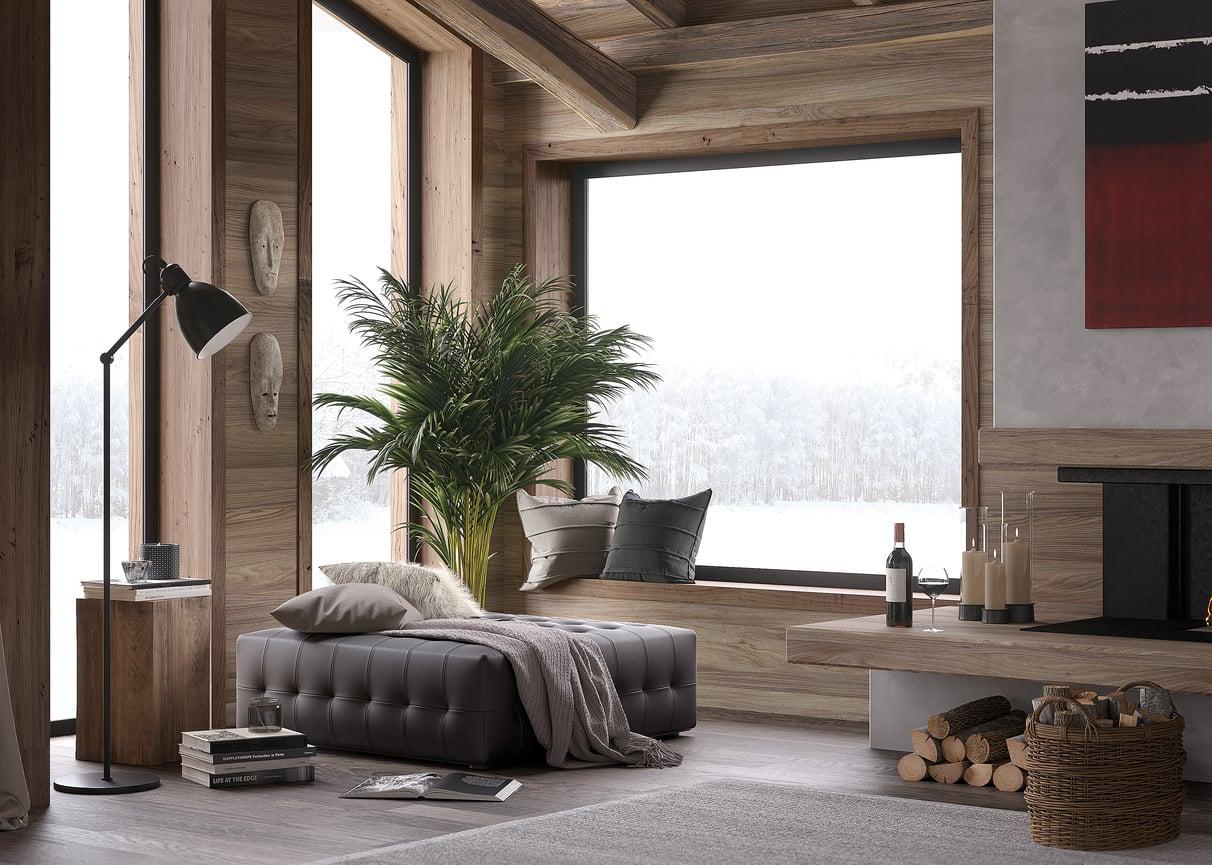
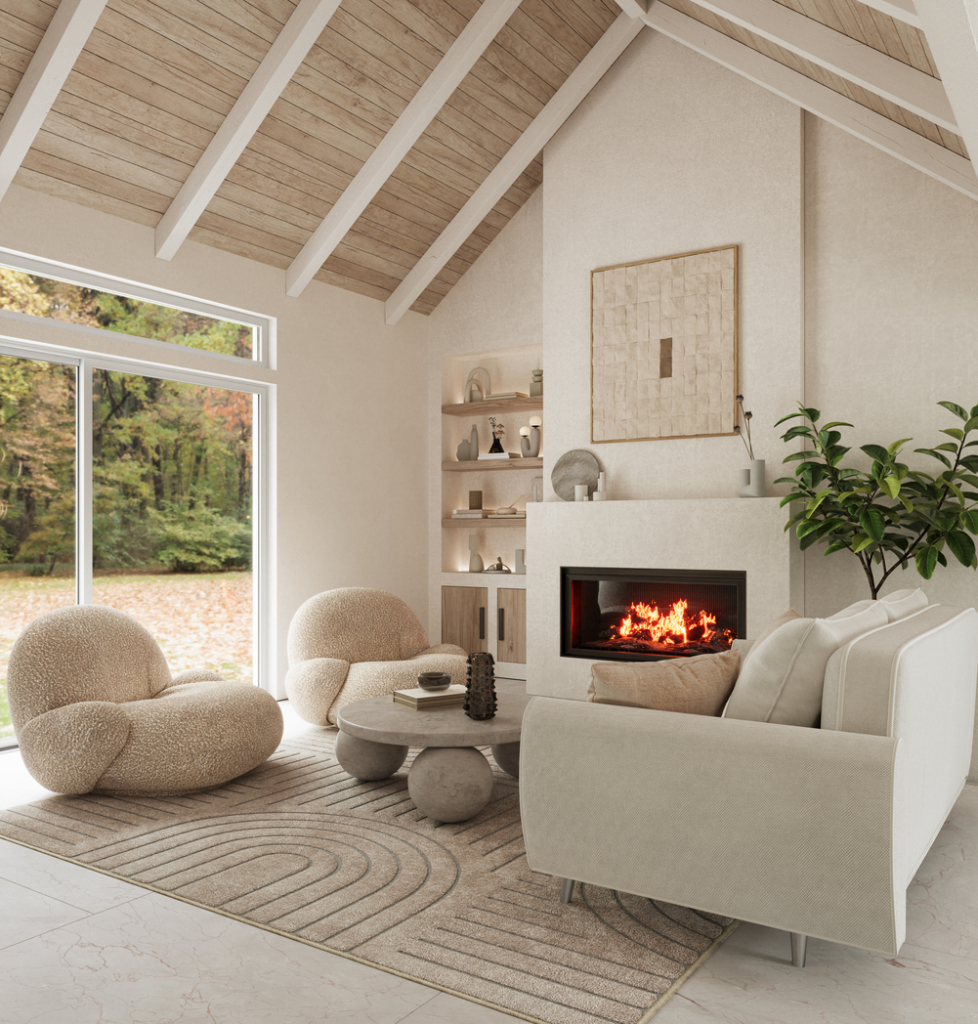
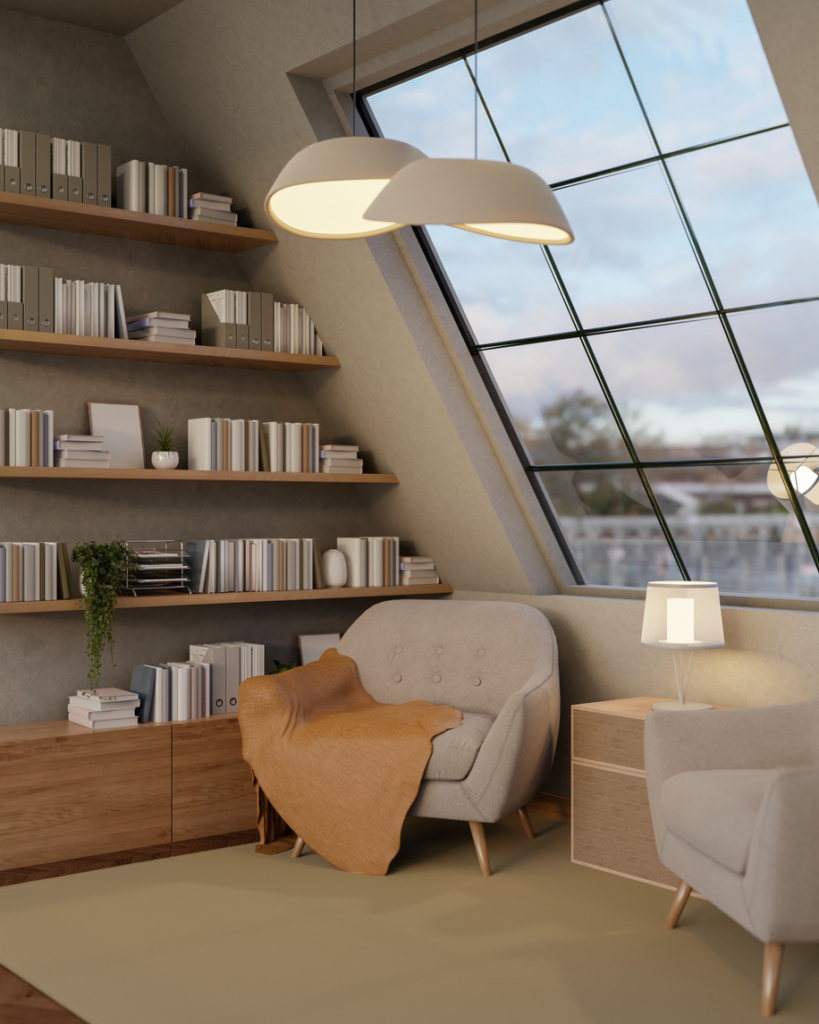
A reading nook by the window, a spot for morning coffee, or a quiet corner for winding down at night add rhythm to your day and ease feelings of isolation. Wilkins recommends starting with your lifestyle, not just the look. She likes to rearrange furniture seasonally: in winter, pulling seats closer to the fireplace; in summer, turning them toward windows and views.
Layer Sensory Experiences
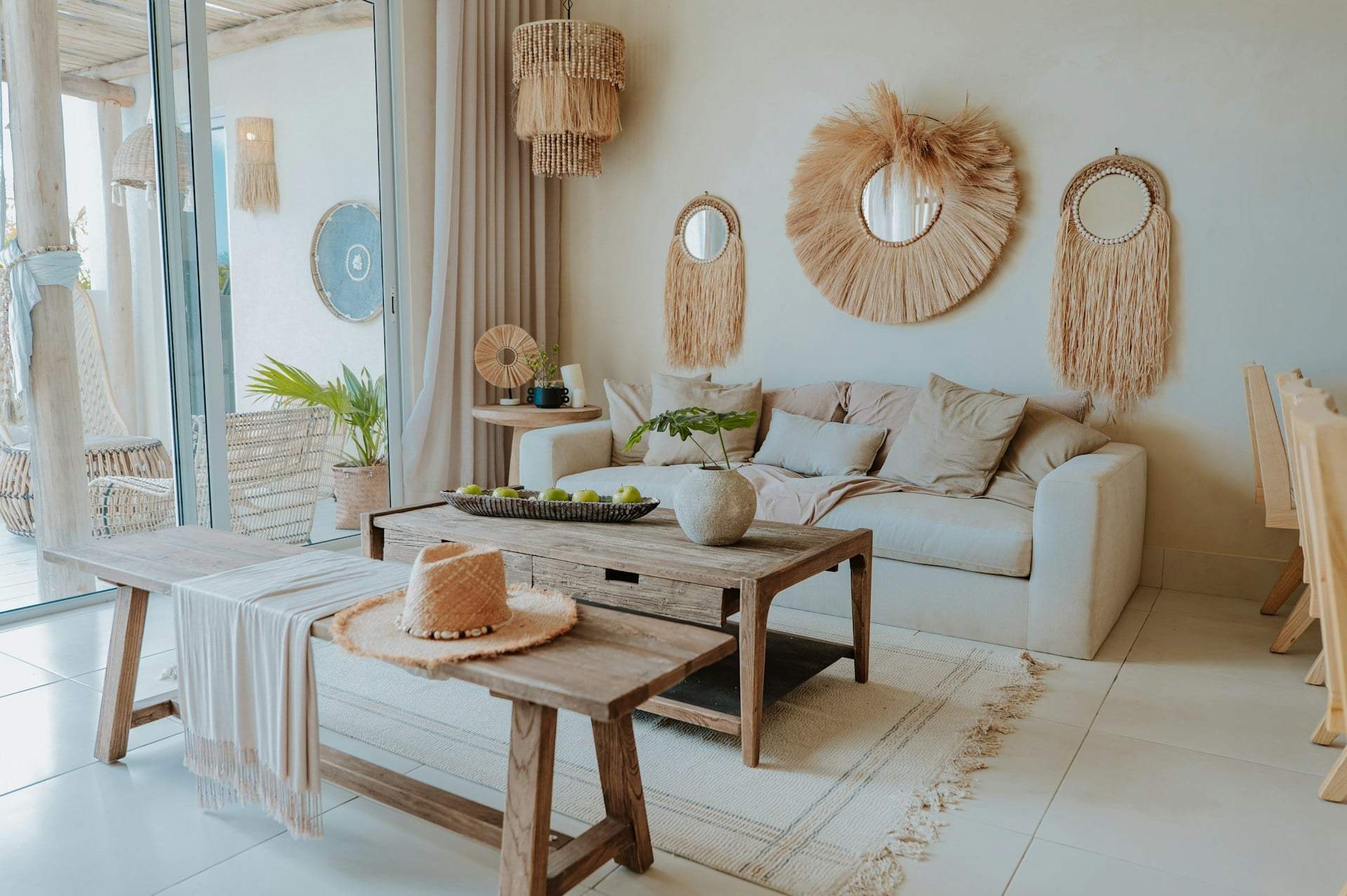
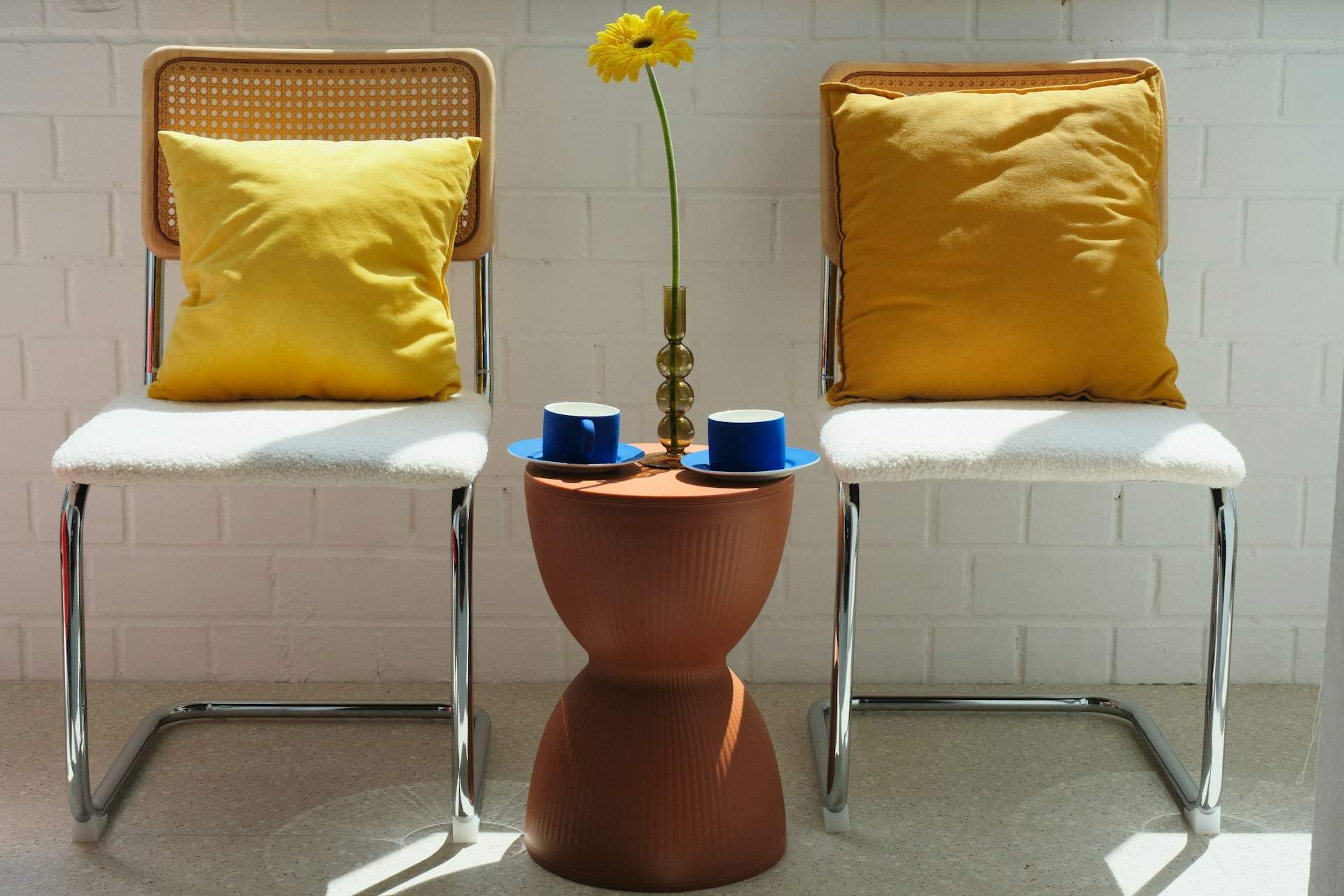
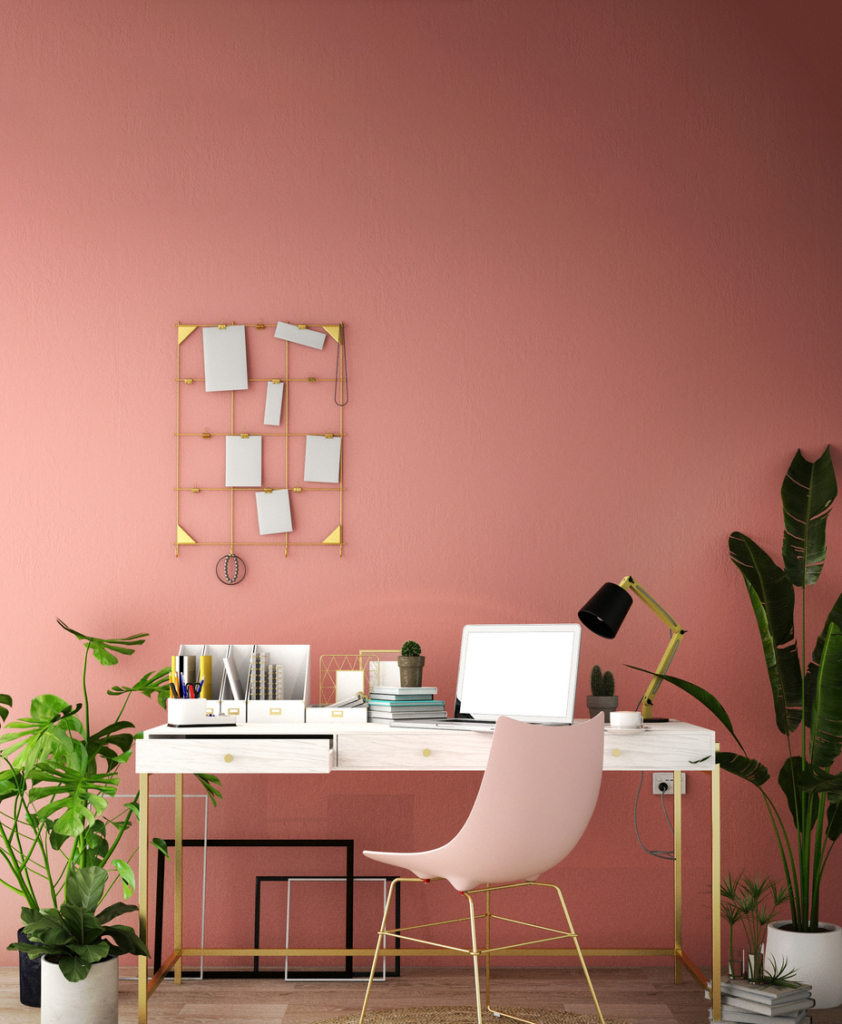
Soft colors, natural materials, and sounds all impact how safe and calm we feel. A quick airing out or gentle background music can instantly shift a room’s “emotional temperature.” Feeling bold? Try painting a wall. Weatherspoon chose a bright pink during a tough time because it lifted her spirits. If that’s too much, bring color in with textiles like throws, pillows, and rugs. Cozy doesn’t mean dark colors—it means colors that make you feel good.
Change Your Lighting
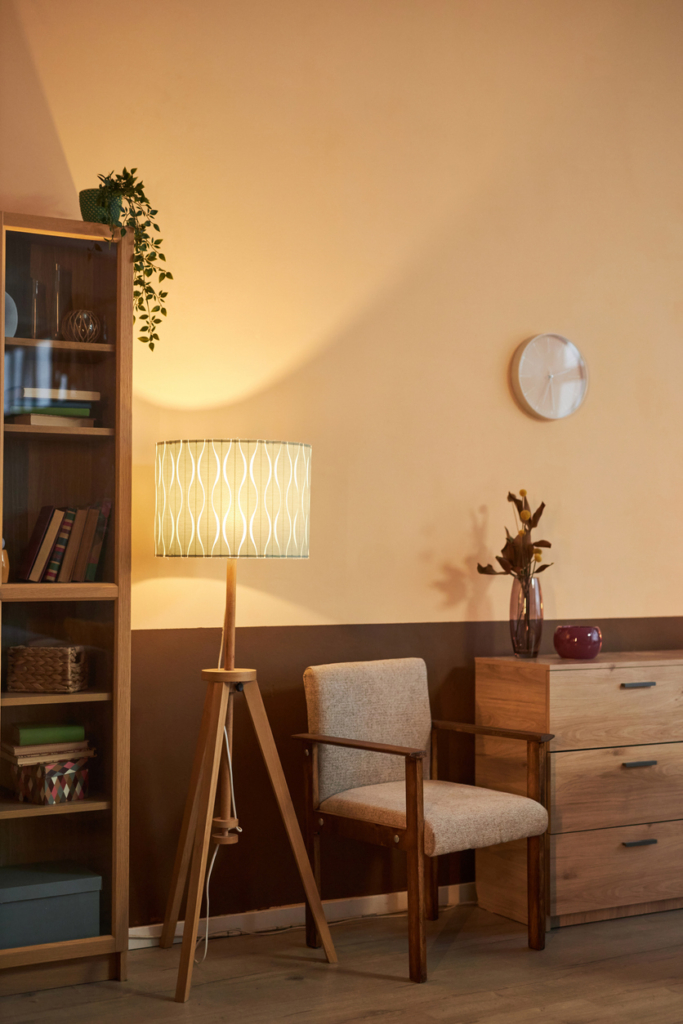
“Lighting is one of the most powerful yet underrated tools for creating intimacy,” says Wilkins.
A single ceiling light often feels cold and flat. Instead, layer your lighting with table lamps, floor lamps, wall sconces, or candles. Use warm bulbs and place lights at different heights.