
July, one of the most passionate months of the year, is famous not only for nature’s richness but also for its unique weather phenomena and cultural heritage. The phrase ‘month of blessings’ fits perfectly, as July is known for harvest time and abundant crops, when the sun nearly scorches every inch of earth. Yet, the summer heatwaves are often broken by sudden summer storms and hail, adding excitement to this already dynamic season. These natural events are not only remarkable and defining but also keep centuries-old traditions and beliefs alive.
Harvesting in July is more than work—it’s a true celebration that embodies community spirit and respect for nature. As the fields buzz with activity, people of old carefully observed subtle weather signs to better prepare for what nature had in store. The hardworking harvesters knew that the movement of clouds and shifts in wind direction spoke volumes about upcoming weather, so they paid close attention.
While the July sun usually blazed down and harvest machines stirred up the dusty earth, thunderstorms often appeared unexpectedly. Our ancestors frequently watched these sudden weather changes closely.
They believed July storms were signs of blessings, but hail was something to avoid, as it could ruin crops already nearing harvest.
These weather events didn’t just bring physical changes—they also fueled a colorful mix of folk beliefs and customs. According to tradition, refreshing showers renewed the earth’s strength and sparked new life from the soil.
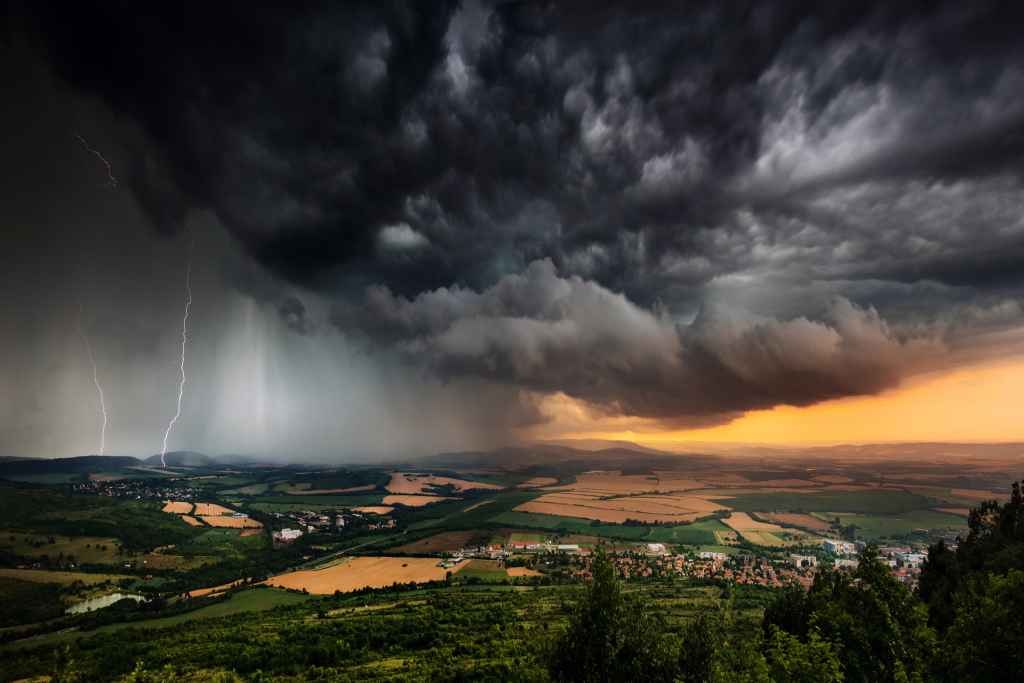
July 2 – Feast of Our Lady of the Scythe and the Start of Harvest
July 2 marks the Feast of Our Lady of the Scythe, traditionally signaling the start of the harvest. On this day, people give thanks for the crops and ask for blessings on the work ahead. The day blends sacred and secular meaning, rooted in Christian traditions, boosting both the community’s spirit and strength.
July 20 – The Month of Heavenly Battles and Prophet Elijah’s Day
July 20, known as Prophet Elijah’s Day, holds a special place in folk traditions. Elijah, known as the lord of thunder and storms, tests the weather with his celestial trials on this day. Folk wisdom says that thunder on this day signals upcoming heavenly blessings but also warns of discipline if the community falls out of harmony with nature.
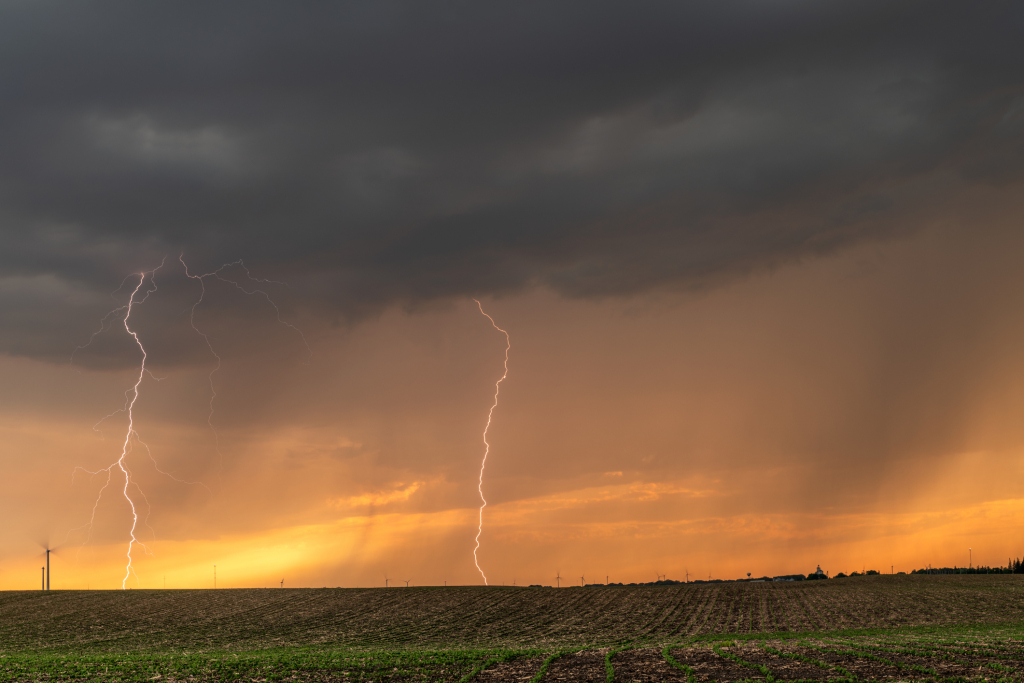
Heavenly Signs Taken Seriously by Our Ancestors
Sudden weather shifts throughout the month were seen as important signs by our ancestors, who sought to understand what the year ahead might bring. Rain was welcomed as a blessing, while hailstorms prompted all kinds of rituals to ward off disaster. People turned to songs, prayers, and ceremonies, hoping to earn nature’s favor.
Traditional July Festivities and Community Celebrations
Though July was busy with hard work, summer evenings were for celebration and community life. Folk dance gatherings, village parties, and cultural events played a key role in village life, bringing generations together to share time and joy.
These occasions offered more than fun—they strengthened community bonds and identity. So, July wasn’t just about farming; it was about nurturing and renewing the heart of the community.
In Harmony with Nature
Above all, the focus was always on the connection with nature and the lessons it offered—lessons that deeply shaped traditions and community life. The beliefs and customs passed down through centuries helped deepen understanding of both nature and human relationships. July is not just the month when crops ripen; it’s a time that honors age-old bonds keeping us balanced in nature’s flow.