In my family, everyone pushes bitter dishes aside with a grimace, and I only occasionally crave them—without any clear reason. Recently, I came across a study (What is the link between personality and food behavior?) that uncovered deeper connections between food preferences and personality traits. Bitter flavors immediately came to mind! Next time I crave them, I’ll be curious to explore why it happens right then and there…
Do only the tougher souls crave bitterness?
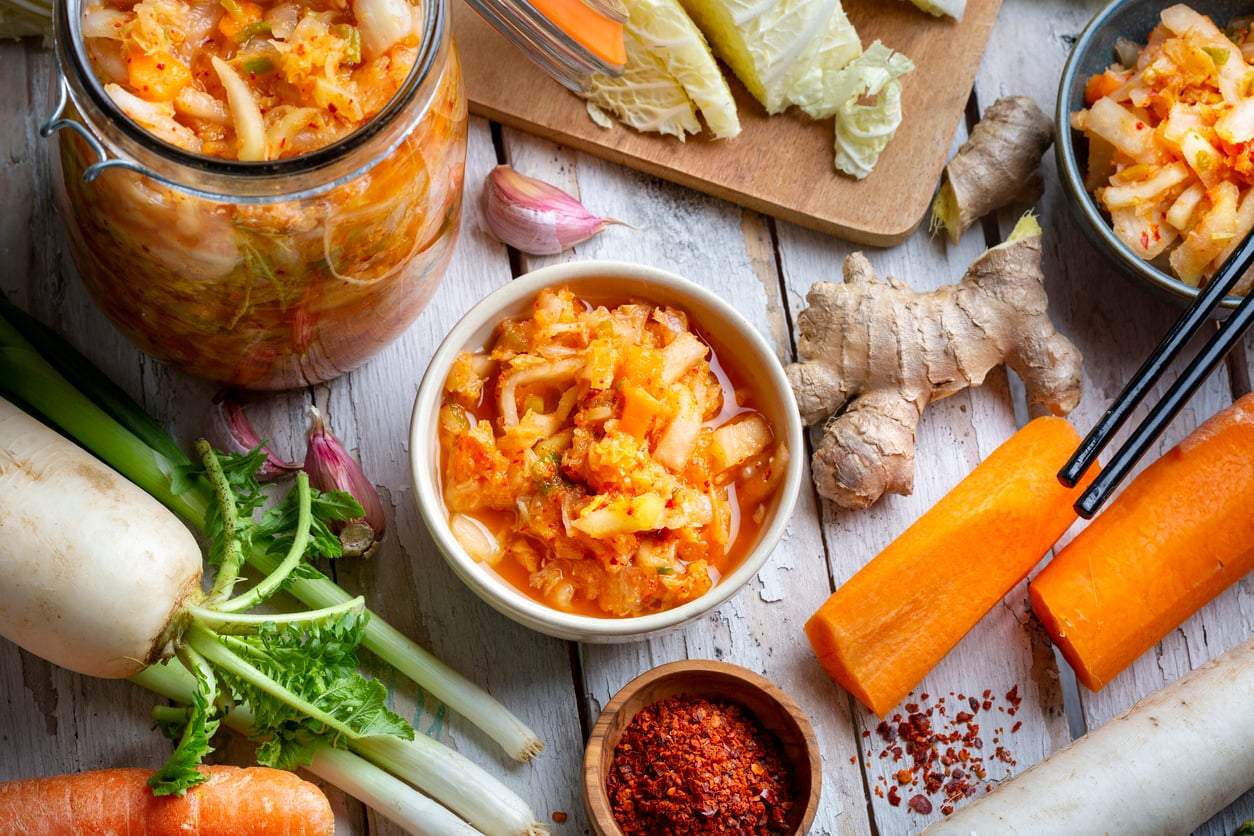
A study involving nearly 1,000 American adults revealed surprising insights about food preferences. It found that those who genuinely enjoy bitter flavors might be more prone to antisocial traits—like mild forms of psychopathy, aggression, and sadism. Sounds bizarre, right?
Maybe so, but scientists say there’s logic here: bitterness often signals toxicity biologically, so those drawn to it might process discomfort differently—or even enjoy it.
Of course, this doesn’t mean everyone who drinks black coffee or enjoys tonic water hides dark personality traits! These findings aren’t strict labels but trends, according to researchers. For example, I crave arugula’s bold taste only on certain days, and other times I can’t stand it—these shifts might be mood, hormonal, or even unconscious psychological effects.

Sweet taste equals sweet personality?
On the opposite side of bitterness is a love for sweetness. Research shows that people who often reach for sweets tend to be seen as kinder, more helpful, and even more loving. And this isn’t just a stereotype—there’s real evidence linking a preference for sweet flavors with better social skills. It makes sense since from childhood, we associate sweets with rewards, celebrations, and, importantly, love.
It’s no coincidence we call loved ones “sweetheart” or “sugarplum”—our brains literally connect sweet tastes with emotional closeness.
What do spicy dishes reveal?
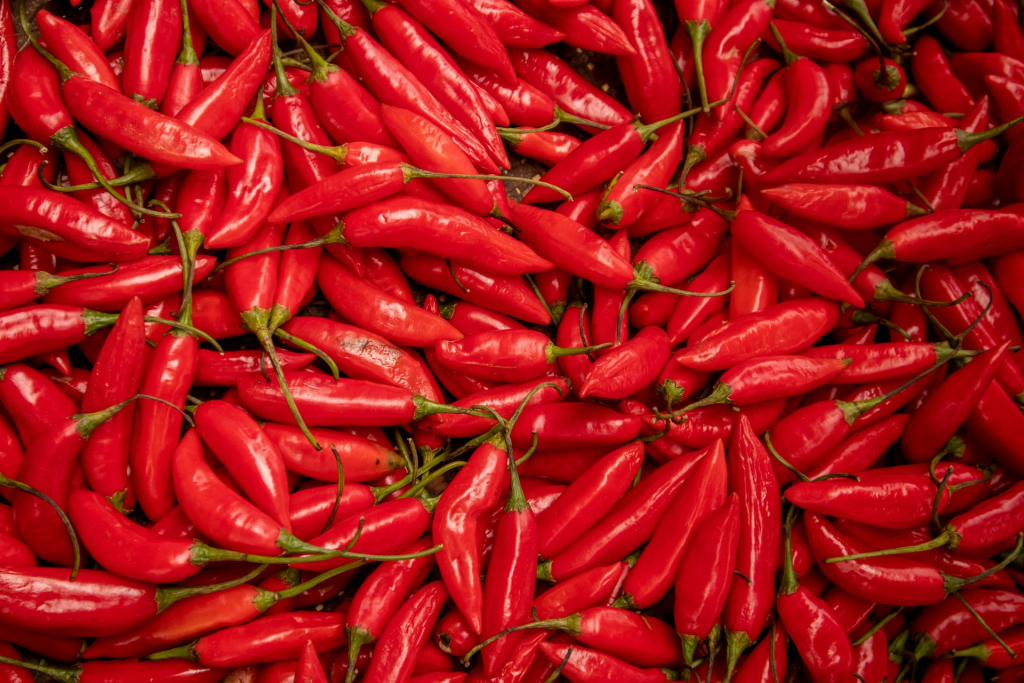
Fans of spicy foods—like the hot peppers common in Hungarian cuisine or wasabi served with sushi—often push boundaries. The study found that men with higher testosterone levels in their saliva tended to add more spice to their meals.
But it’s not just hormones. Thrill-seeking, craving excitement, and stepping out of comfort zones often go hand in hand with a love for spicy flavors.
What about those who barely eat anything?
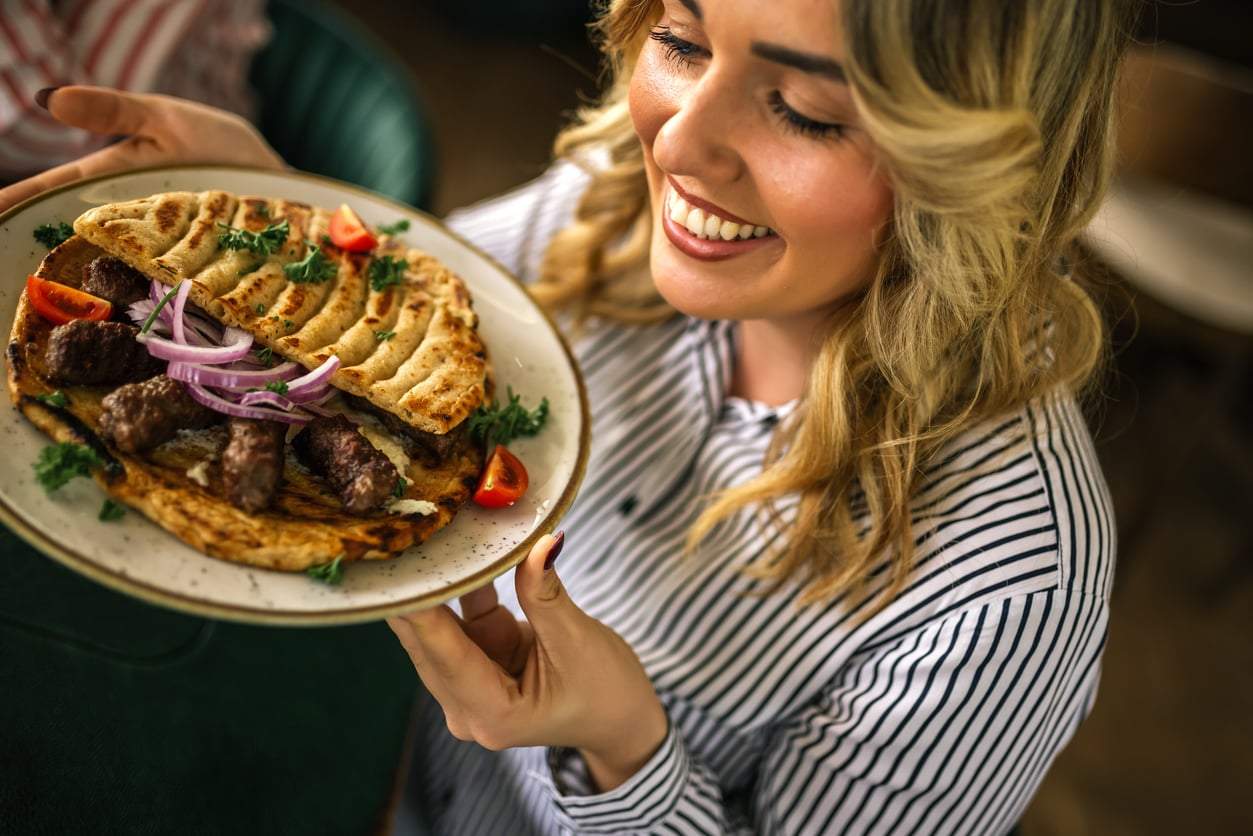
Or those who stick to “safe,” familiar, often bland foods? Scientists have answers here too. They found that very picky eaters tend to feel more anxious and nervous, especially in unfamiliar or uncomfortable situations. This might stem from emotional instability and lack of control—or even physical factors like more sensitive taste buds.
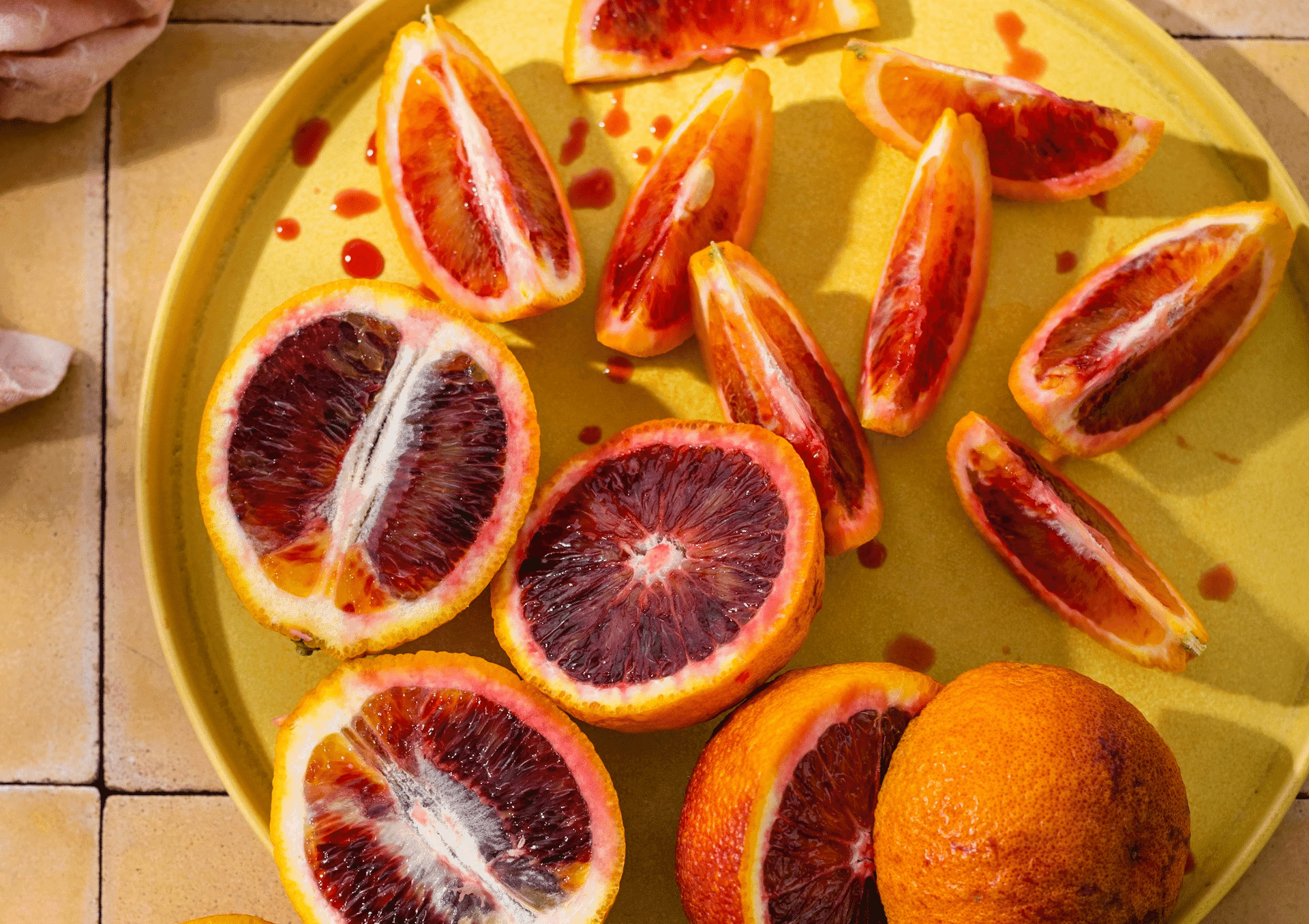
Behind every food preference could be childhood memories, moods, or parts of your personality. Maybe these have made you more decisive, adventurous, or simply process stimuli differently—or perhaps you’ve shifted toward playing it safe. And next time you crave grapefruit, it might not just be its refreshing tartness you want, but something deeper it stirs inside you. Keep an eye on that!