Many of us only start paying attention to our cholesterol when a routine checkup shows it’s “a bit high.” But cholesterol isn’t the enemy—it’s a vital building block of our body. The problem arises when too much builds up in the blood, straining arteries and raising heart disease risk. The good news? You can take plenty of natural steps to keep your levels in check—small changes that easily fit into daily life.
Verywell Health highlights that lifestyle changes can be just as effective as medication in many cases. This doesn’t mean meds aren’t important when needed, but the starting point often lies on our plates, in our movement, and daily habits.
Always consult your doctor about the need for medication.
1. Cut Back on Saturated Fats
Saturated fats—mainly found in red meats and full-fat dairy—directly raise LDL, the “bad” cholesterol. Trans fats are even worse: they boost LDL and lower the “good” HDL. Avoid fast food, store-bought pastries, ready-made pizzas, and certain margarines.
2. Swap in Healthy Unsaturated Fats
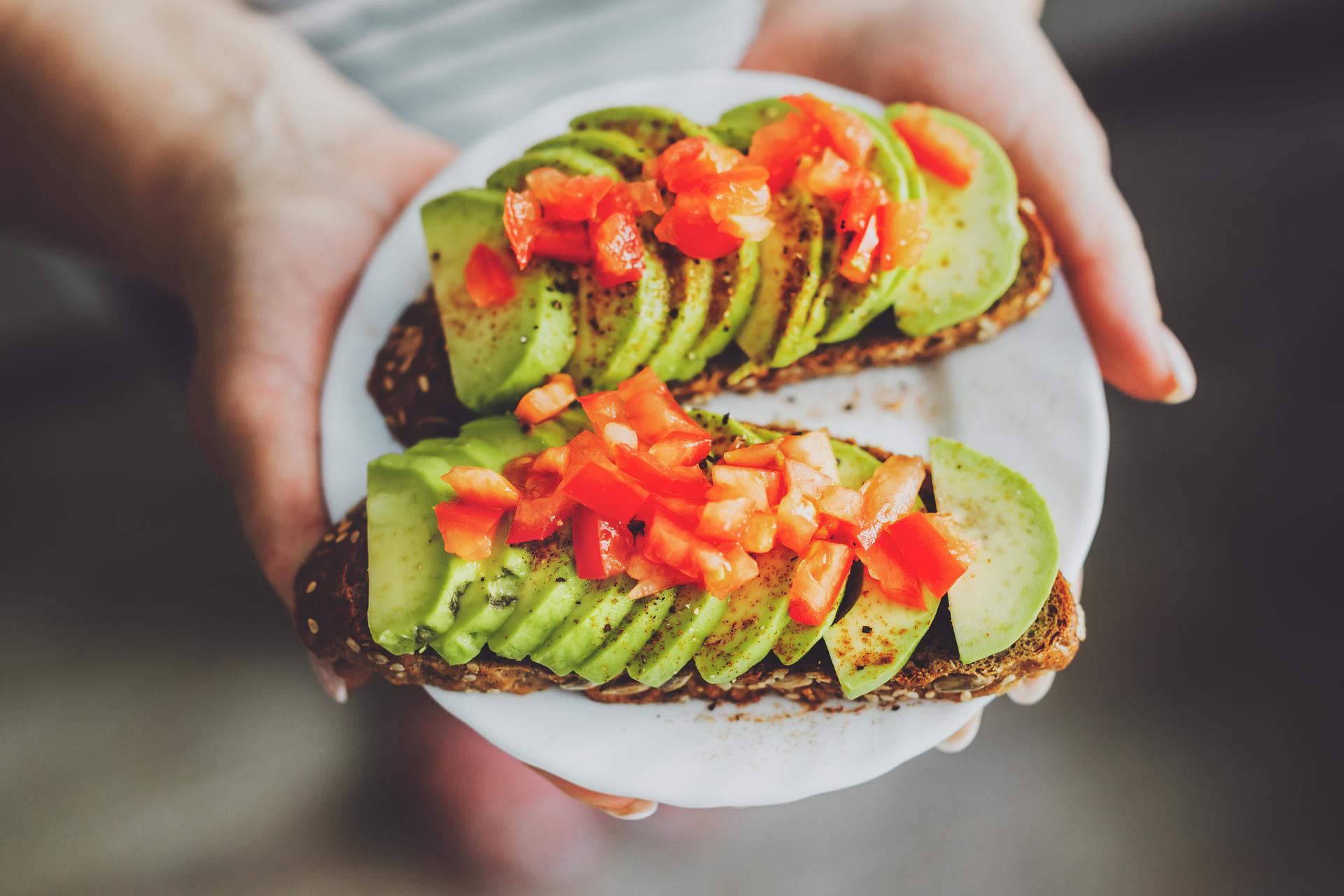
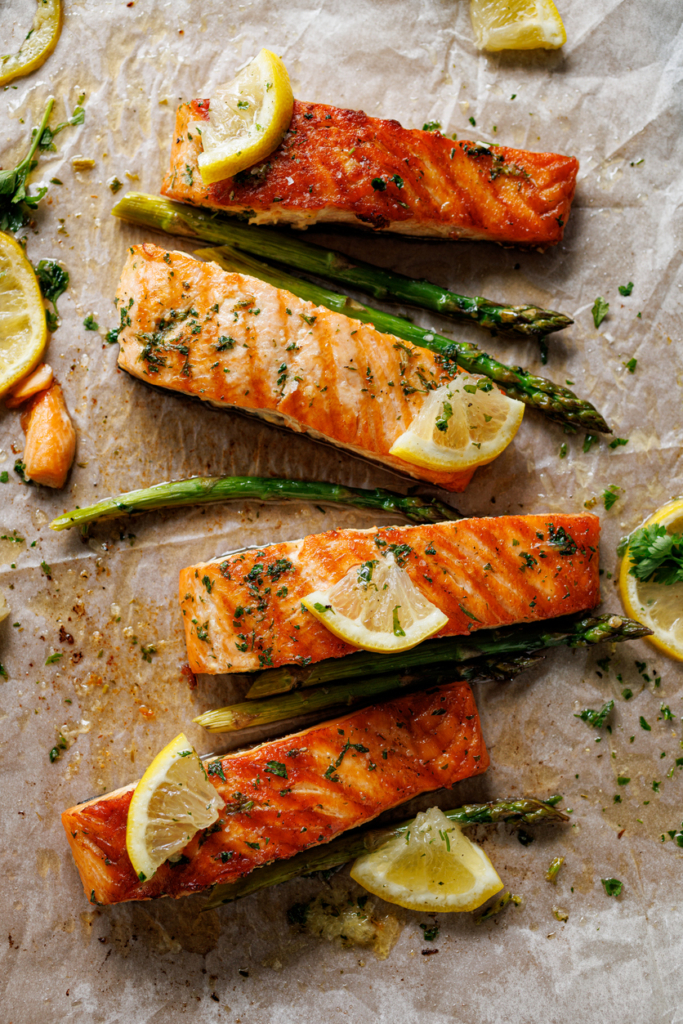
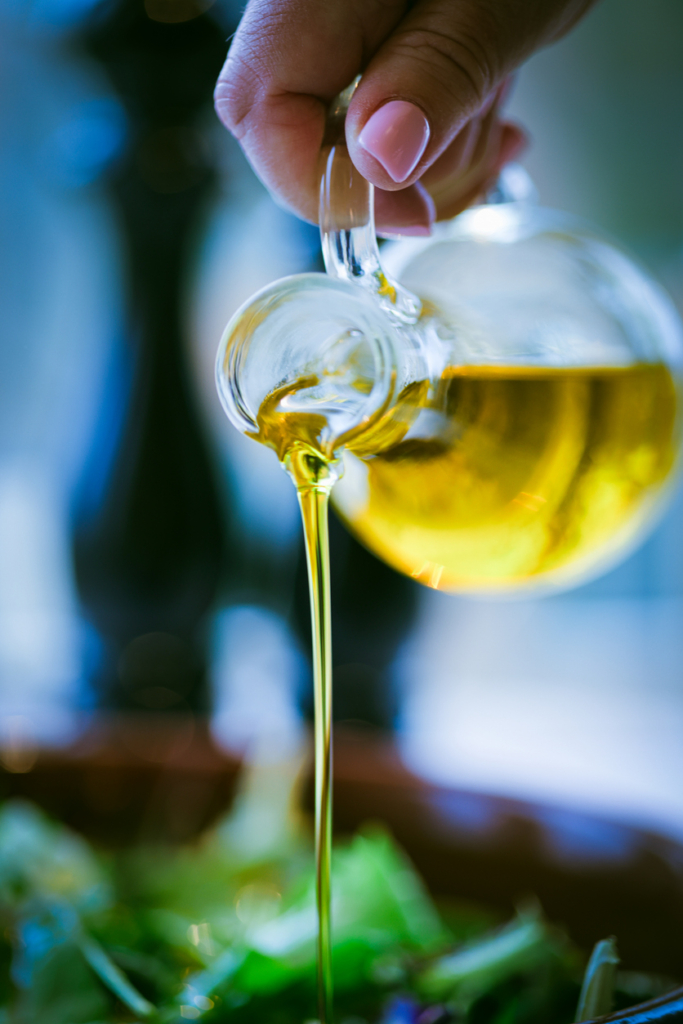
Olive oil, avocado, nuts, and fatty fish offer gentler fats that actually support heart health. The Mediterranean diet is proven to lower LDL while boosting HDL. Omega-3s—found in salmon, mackerel, and herring—are especially powerful heart allies.
3. Boost Soluble Fiber Intake
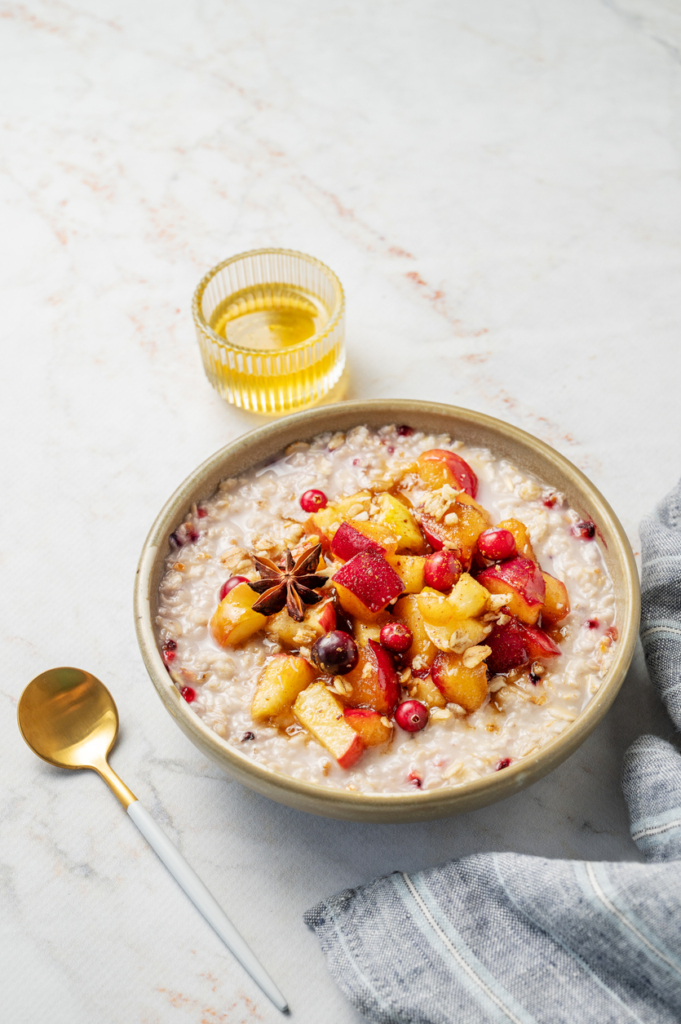
Soluble fiber turns into a gel in your digestive system, trapping cholesterol and bile acids to reduce their absorption and help flush them out. Oats, apples, oat bran, legumes, vegetables, and whole grains are rich in this fiber. Adults should aim for about 25-30 grams daily, along with plenty of water.
4. Try Plant Sterols
Plant sterols naturally block cholesterol absorption in the gut, significantly lowering LDL. Studies show 1.5–3 grams daily can reduce LDL by 7–12%. Sources include nuts, whole grains, vegetable oils, and some fortified foods.
5. Watch Your Salt Intake
High salt consumption can raise blood pressure, which is linked to heart and vascular disease risks. If your cholesterol is high, it’s especially important to limit sodium: avoid overly salty foods, processed meats, and packaged items high in salt.

6. Cut Down on Alcohol
Too much alcohol can raise triglycerides, increase blood pressure, and often lead to weight gain—all of which can negatively affect cholesterol. Research on moderate drinking is mixed, but for heart health, minimizing alcohol is key (or better yet, avoiding it altogether).

7. Stay Active Regularly
Regular exercise is one of the best ways to raise HDL and lower LDL. Just 30 minutes of moderate activity daily can make a big difference: walking, biking, fitness classes, swimming—anything that moves you and brings joy. Lack of movement can lower HDL and increase heart disease risk.

8. Maintain or Reach a Healthy Weight
Losing just 5-10% of your body weight can noticeably improve cholesterol and blood pressure. Being overweight contributes not only to high cholesterol but also to diabetes, metabolic syndrome, and other chronic conditions. Healthy eating and exercise lay a strong foundation for lasting weight control.

9. Quit Smoking
Smoking harms not just your lungs but your heart too: it can lower HDL, raise triglycerides, and damage artery walls. Quitting has almost immediate benefits—blood fats improve and circulation gets a fresh start. If you need support, don’t hesitate to ask a professional.

10. Get Enough Quality Sleep
Good sleep is just as vital for heart health as a balanced diet. Getting 7-9 hours of restful sleep daily can help lower LDL and stabilize your hormones. If you toss and turn or suspect sleep apnea, it’s worth consulting a doctor.

The right diet, mindful lifestyle, regular exercise, and healthy habits together can bring visible improvements quickly. If these steps aren’t enough, your doctor can help explore further options—because the goal is always the same: a long, healthy, and energized life.