You sit down after a long, exhausting day, turn on the TV — and almost without thinking, your hand is already searching for something to munch on. Sound familiar? Evening snacking in front of the screen is one of the most common habits people struggle to break, and it's not just about the extra calories. Over time, it can quietly chip away at your sense of control and wellbeing. The good news? A few small changes can make a surprisingly big difference.
Give your hands something else to do
Most of the time, stress snacking isn't really about hunger — it's about keeping your hands busy. The moment you sit down and your hands have nothing to do, reaching for a bag of crisps becomes almost automatic.
Try swapping the snack bowl for a hands-on activity instead. Knitting, crocheting, sketching, or even doodling are all surprisingly effective — they occupy your hands, engage a different part of your brain, and can actually help you unwind more deeply than passive munching ever could.
If you want to tap into your creative side, adult colouring books or mandala drawing are perfect for TV evenings. They're calming, absorbing, and leave you feeling genuinely relaxed rather than vaguely guilty about finishing the whole packet.
Plan ahead with smarter snacks
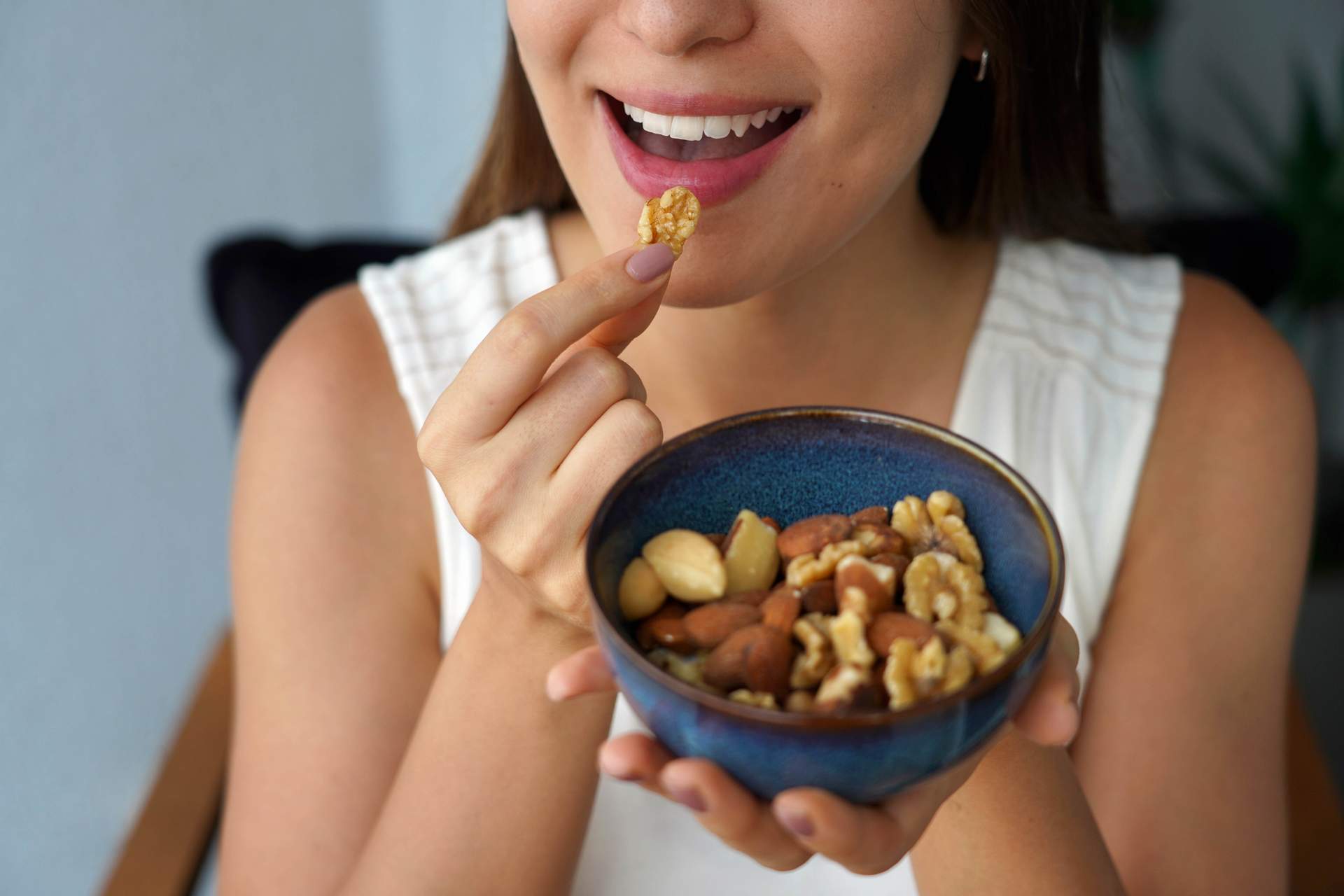
If giving up the snack entirely feels unrealistic, the next best move is to control what's within reach. Preparing a small portion of something wholesome before you sit down — fresh fruit, a handful of almonds, sliced vegetables with hummus — means you're making the healthy choice before willpower even enters the picture.
When you have a pre-portioned snack in a small bowl, it's far easier to stop when it's gone. There's no open bag tempting you to go back for more. A few apple slices or a small handful of nuts can satisfy the urge to nibble without derailing your evening — or your diet.
The key is preparation: decide what you'll eat before you're already sitting on the sofa, remote in hand. That one small act of planning puts you back in control.
Try a moment of mindfulness before you reach
This one sounds simple, but it genuinely works. Mindfulness — the practice of pausing and tuning into the present moment — is one of the most effective tools for breaking automatic habits like stress snacking.
The next time you feel the urge to grab something, pause for just a few seconds. Take a slow, deep breath. Ask yourself: Am I actually hungry right now, or am I just bored, tired, or stressed? That brief moment of awareness is often enough to interrupt the automatic reach.
Over time, practising this kind of self-check before eating helps you become far more attuned to your body's real signals. You start to notice when you're eating out of genuine hunger versus habit or emotion — and that awareness alone can dramatically reduce the amount you consume without even trying.
You don't have to be perfect. Even catching yourself once or twice an evening and choosing differently is real progress.
These three strategies won't ask you to overhaul your entire lifestyle. They're small, practical shifts — but applied consistently, they can quietly transform one of the most stubborn habits of the evening routine.