What happens when those in power realize the world around them is changing — yet still find a way to stay on top? The answer lies in an elegant, passionate, and brutally honest novel, now brought to life in Netflix’s grand new series, The Leopard.
But what exactly is this story about, written over 60 years ago, that keeps reflecting our present day? Why does it feel like this tale speaks to us — whether we’re sitting in a Budapest café or dreaming in the shade of a Southern Italian villa?
An Aristocrat’s Last Summer – and the Timeless Mechanics of Power
As the BBC reported, Giuseppe Tomasi di Lampedusa’s novel The Leopard was published in 1958, a year after the author’s death. It’s a lyrical yet unflinching chronicle of a fading world. The protagonist, Prince Fabrizio, head of a Sicilian noble family, faces the decline of aristocratic power as turbulent social changes bring new players to the surface.
The story unfolds in mid-1800s Italy during the Risorgimento, when old ruling houses lose influence and the bourgeoisie—especially the financial elite—begin to rise. But does anything truly change?
Fabrizio’s nephew, Tancredi, is a charming, charismatic young man who — SPOILER! — perfectly adapts to the new order by marrying the newly wealthy Angelica, choosing money over noble blood. The real tragedy? Fabrizio’s own daughter, Concetta, who loves Tancredi but finds no place in this new world. The fate of the family and the aristocracy quietly but irrevocably hinges on these choices.
“If we want everything to stay as it is, everything must change.”
This famous line from the novel feels so relevant today, when social changes often seem like mere reshuffling, while real power stays firmly in the same hands.
Lampedusa, himself from an aristocratic family, paints his social class with sharp irony: snobbish, selfish, and out of touch. But he doesn’t glorify the working class either. This duality meant the book was initially rejected by both conservative and leftist critics.
Two major Italian publishers turned down the manuscript, calling it too "traditional" just as Italian literature was embracing avant-garde waves. The novel only saw the light of day after Lampedusa’s death, thanks to a powerful literary agent, quickly becoming a sensation. It was published in 52 editions within six months and won the prestigious Strega Prize.
Film, Series, Fashion, and Politics – The Legacy of The Leopard
In 1963, Luchino Visconti—a noble-born but Marxist director—adapted the novel into a film starring Burt Lancaster and Alain Delon. The movie is as lavish as it is melancholic, with a memorable 25-minute ball scene where beneath the glitter — SPOILER! — Prince Fabrizio’s own inevitable death looms.
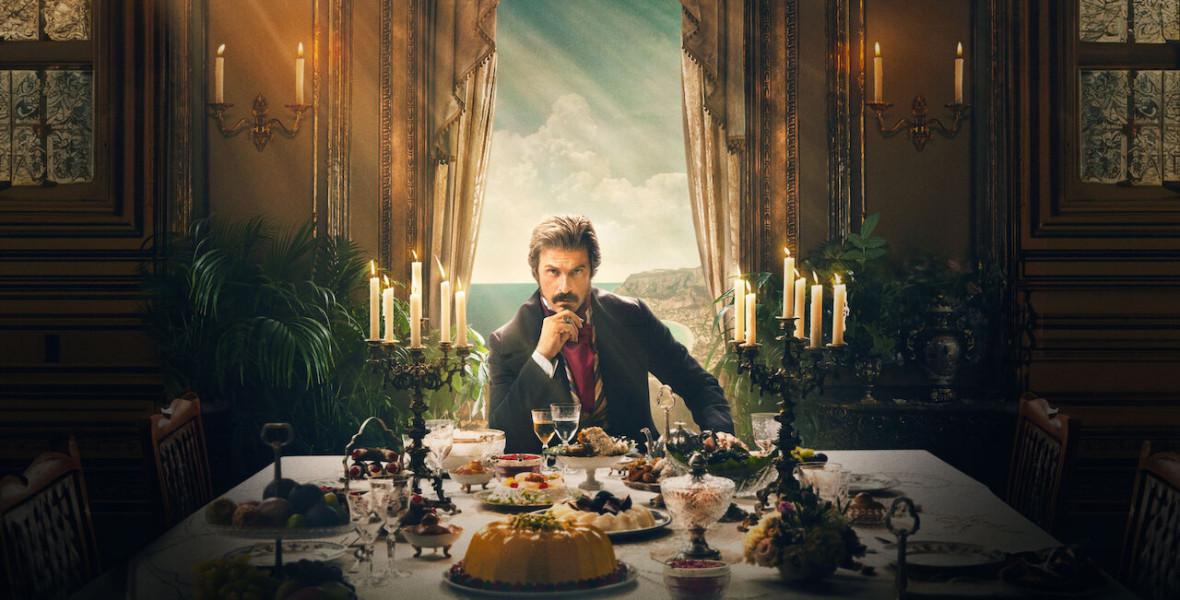
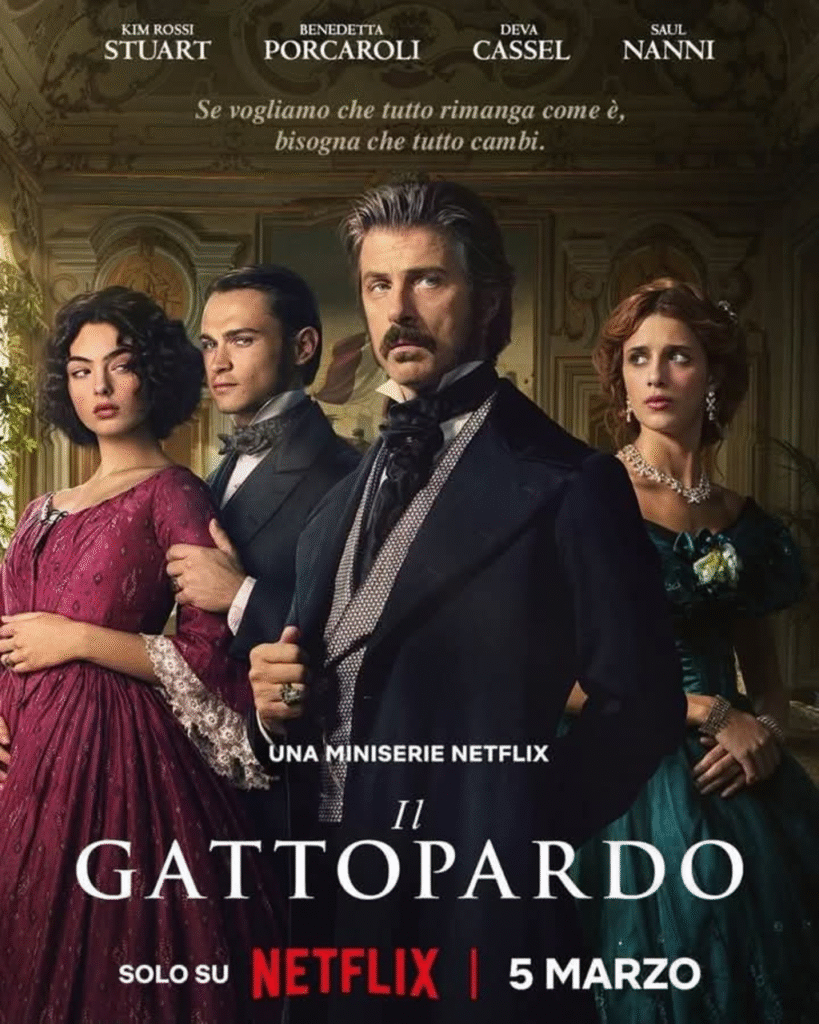
In 2025, Netflix returned to this special story with a new adaptation: the The Leopard series. The creators say the novel still perfectly shows how elite classes repeatedly adapt to change while holding onto their power.
Why You Should Read or Watch The Leopard Today
Because it’s more than a romantic story or a beautiful memory of a bygone era. It’s a book—and now a series—about how power survives historical upheavals, changing form but keeping its core.
As we often feel the world is shifting faster than we can keep up, The Leopard reminds us that true change is rarely as dramatic as it seems—and that’s what makes it so thought-provoking and timeless.
If you haven’t met The Leopard yet, this fall—when days grow shorter and our thoughts turn inward—is the perfect time to dive into this extraordinary story.
Whether you pick up the novel or watch Netflix’s new series, The Leopard keeps reminding us: there’s always more beneath the surface, and that might just be the most valuable lesson we can take home from this classic.