Rice is one of the most versatile ingredients in the world — and yet most of us reach for the same bag every time without a second thought. The truth is, choosing the wrong variety can quietly ruin a dish. Get it right, and everything clicks into place. Here's what you need to know about the most popular rice types and exactly when to use them.
Long-grain rice varieties
Long-grain rice is the most widely used type globally. As the name suggests, the grains are three to four times longer than they are wide, and they stay separate and fluffy after cooking — making them ideal for side dishes, pilafs, and salads.
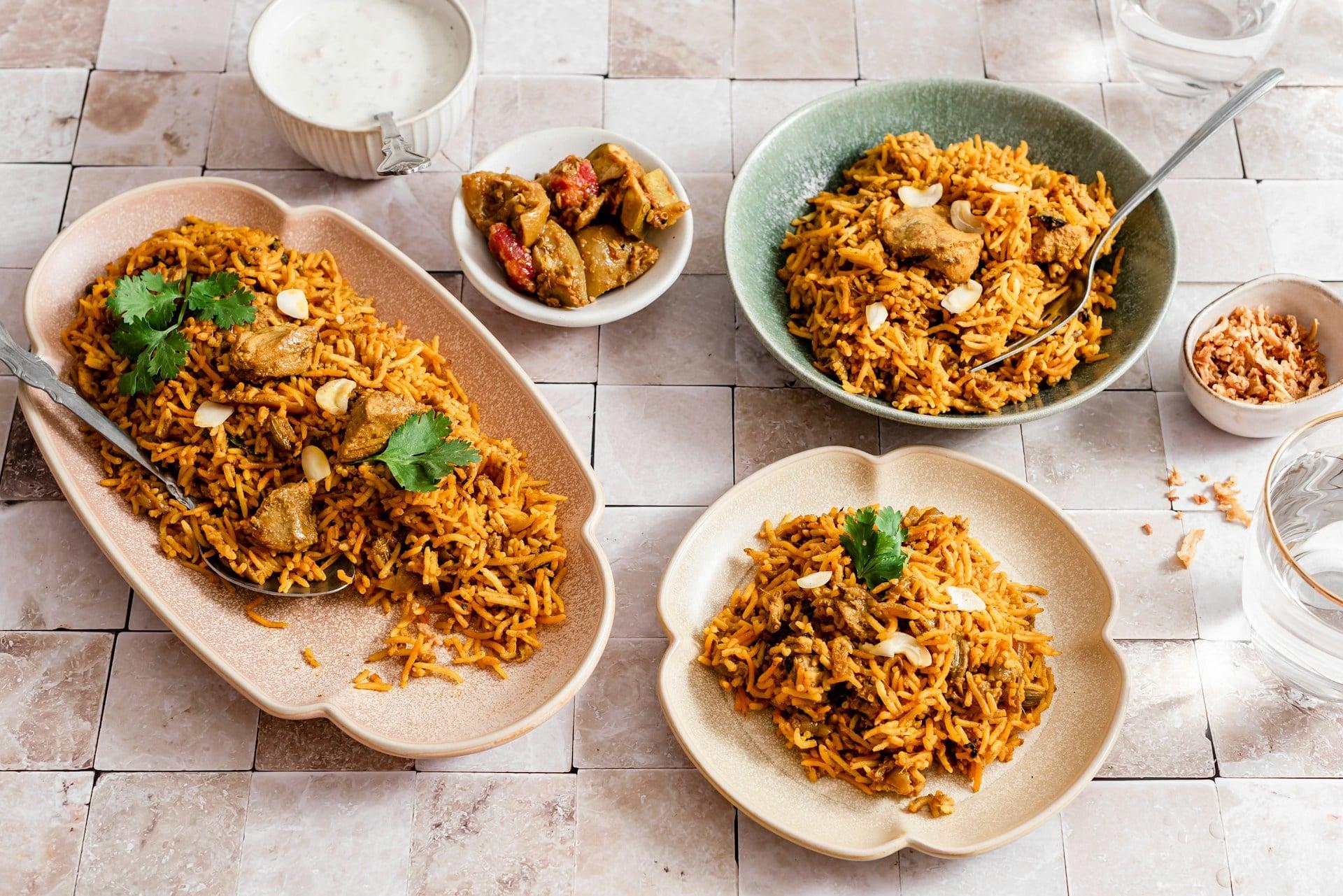
Basmati rice is the star of Indian and Pakistani cooking. It has a distinctive fragrant aroma and a light, tender texture that pairs beautifully with curries, spiced stews, and grilled meats. If you want a side that won't compete with bold flavours, basmati is your go-to.
Jasmine rice is Thailand's contribution to the world's pantry. It has a subtle floral sweetness and a slightly softer, stickier texture than basmati. It's widely used across Asia and works especially well with clean, simple dishes like vegetable stir-fries or steamed fish.
Short-grain and round rice varieties
Short-grain rice is rounder, plumper, and naturally stickier when cooked. That clinginess is exactly what makes it perfect for dishes where you need the rice to hold a shape or absorb a rich sauce.
Arborio rice is the classic Italian choice for risotto. As it cooks, it releases starch and absorbs liquid, creating that signature creamy consistency while staying slightly firm at the centre. It soaks up the flavours of wine, stock, and aromatics beautifully — making it one of the most rewarding rices to cook with.
Sushi rice does exactly what it says. It becomes sticky enough when cooked to hold together in rolls and nigiri, and it's traditionally seasoned with rice vinegar, a little sugar, and salt after cooking. Skipping that seasoning step is the most common mistake home cooks make — don't skip it if you want that authentic Japanese flavour.
Specialty rice varieties worth knowing
Brown rice is the unrefined version of white rice — the outer bran layer is left intact, which means it retains more fibre, vitamins, and antioxidants. It has a nuttier, earthier flavour and a chewier texture, which makes it a satisfying match for hearty, robust dishes. The trade-off is a longer cooking time, usually around 40 to 45 minutes, so plan ahead.
Wild rice is technically not rice at all — it's the seed of an aquatic grass, but it's prepared and eaten in much the same way. It's high in protein and fibre, with a deep, nutty flavour and a firm, slightly chewy bite. It works brilliantly in salads, soups, and grain bowls, and it adds a striking visual contrast when mixed with white or brown rice.
How to choose the right rice every time
The easiest way to decide is to think about the texture you want on the plate. If you want light, separate grains that don't clump, go for basmati or jasmine. If you need creaminess and richness, arborio is the answer. If stickiness and structure matter — as with sushi — short-grain sushi rice is non-negotiable.
For everyday health-conscious cooking, brown rice is a smart swap for white rice in almost any recipe. And if you're after something a little more interesting, wild rice adds real depth and character to simple dishes.
The best way to find your favourites? Cook your way through them. Each variety opens up a different world of dishes — and once you know which rice belongs where, you'll never look at that supermarket shelf the same way again.