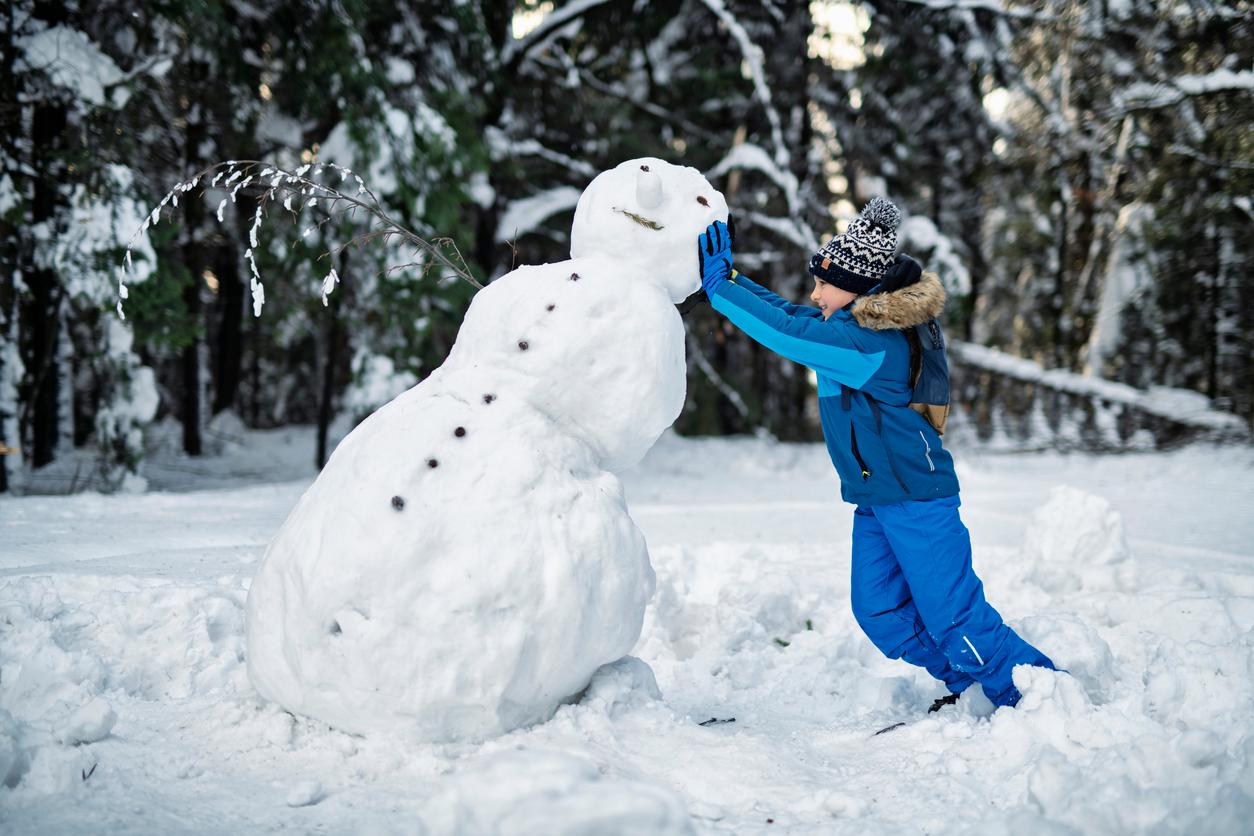
I tell my 10-year-old daughter about the magical snowy winters I had as a child, and she looks at me in disbelief. She knows that for years now, if we want to see snow, we have to travel to the mountains and pay the price. Even when snow rarely falls here, my daughter rushes outside and can make a snowman out of muddy snow. She does it quickly, almost stressed, because she’s already afraid it won’t last until the next day... Moments like these make me want to cry. She’ll never know what it’s like to laugh so much in the snow that your face goes numb, to throw so many snowballs that even your waterproof gloves get soaked, or to know how to steer a sled...
The winters of the ’80s and ’90s were truly special. The holiday season promised a genuine white Christmas, and the snowy scenery was nothing short of magical. Who doesn’t remember those real winter play days, sledding, snowball fights, and building snowmen all day long? During the school winter break, we excitedly sledded down the nearby hills with our “proper” wooden sleds—everyone had one back then. The peaceful snowy landscape was everywhere: between apartment blocks, in city parks, and across the countryside. The joyful noise of children’s laughter and crunching snow filled our hearts.
This feeling was made possible by thick layers of snow outside, and it didn’t bother us that adults complained daily about shoveling snow, because as kids, we only saw the beauty in all that white. It really seemed like the landscape was dressed in a festive white blanket for months. The holidays were very likely always white—moonlit snow and the magical song of angels seemed to play a symphony of colors.
It’s a painful realization that now we’re left only with memories, and we can’t give our children this experience anymore.
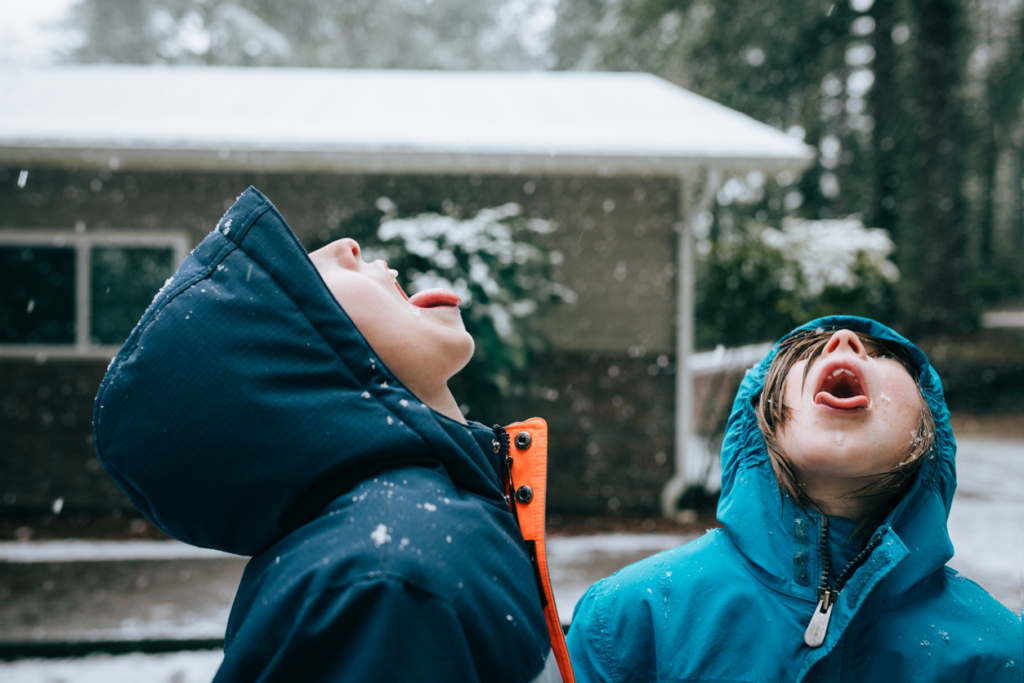
Climate Change and the Transformation of Winter
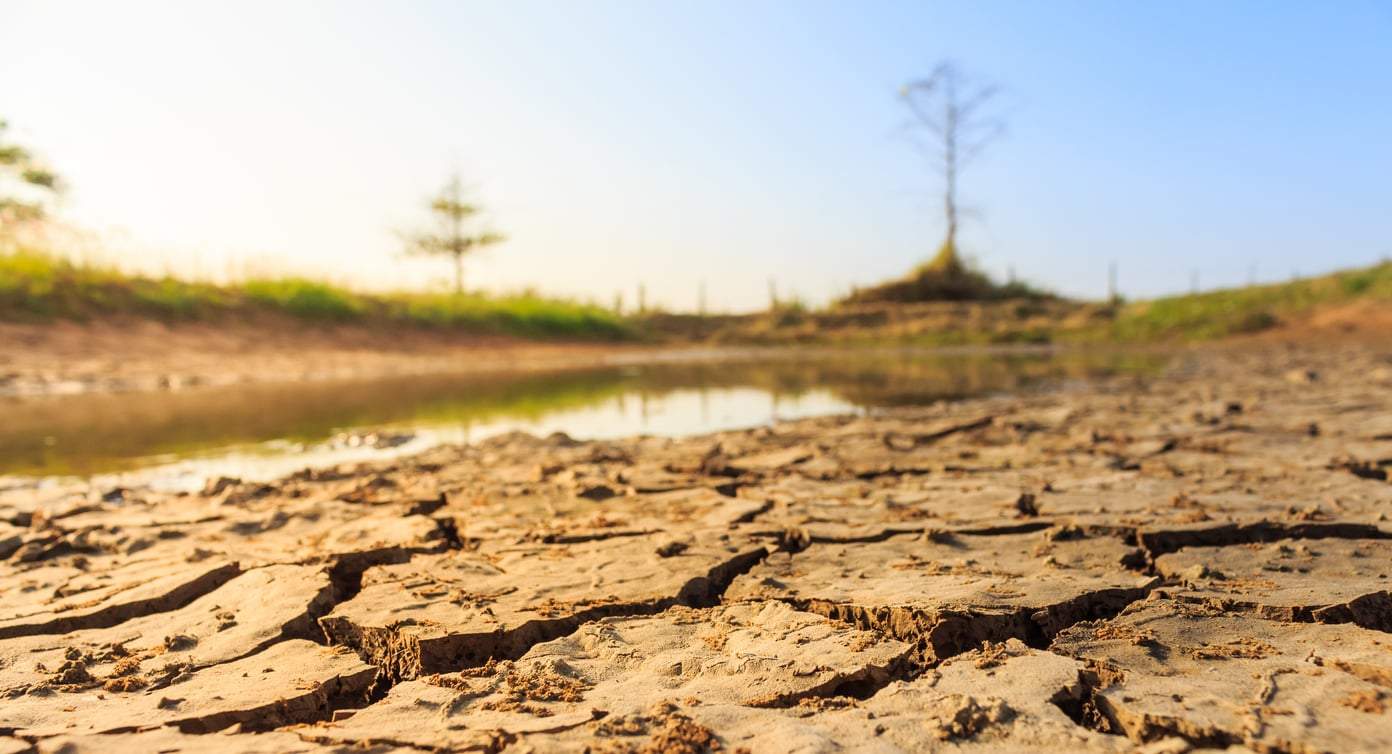
Climate change is a key reason why we’ve seen less snow in recent years and why weather during the holiday season has become milder. As global temperatures rise, the cold months are warming up, softening winter’s bite. Research shows that in the future, white Christmases will become increasingly rare.
More studies highlight the steady rise in atmospheric carbon dioxide, triggering sudden weather shifts. This means the differences between seasons are shrinking significantly, both in Hungary and worldwide.
Milder winters and increasingly frequent precipitation are linked to ongoing natural changes.
Changing Temperatures and Weather Patterns
Meteorological data shows significant weather shifts over recent decades. The classic harsh winter has changed. It’s now unusual for Hungary to be covered by a lasting snow blanket by the end of December. This is because rising average temperatures and changing precipitation patterns mean rain often replaces snow.
While technology can help us adapt to these changes, respect for nature and ecological sustainability remain essential to preserving winter’s true beauty for future generations. The dream of white Christmases will live on, even if heavy snowfalls become rare.
What Can We Do? The Role of Individual and Collective Action
Individual responsibility plays a crucial role in easing climate change’s impact. Adopting a sustainable lifestyle means everyone contributes in their own way. Cutting energy use, prioritizing recycling, and making eco-conscious purchases all help protect our planet.
Community efforts are equally important. Education, supporting local groups, and environmental awareness are key to building a sustainable future—one where we can once again enjoy snowy landscapes and the joy of white Christmases.